Skin concern
Melasma
Melasma is a hormonally-driven pigmentation condition. It sits deeper than UV damage and does not respond to the same treatments. Identifying the depth before starting is the step most clinics skip.
Understanding the cause
What's happening in your skin
Why melasma resists standard pigmentation treatments
Melasma is driven by oestrogen-sensitive melanocytes that produce excess pigment in response to hormonal fluctuation and UV exposure simultaneously. Standard brightening approaches target only one driver.
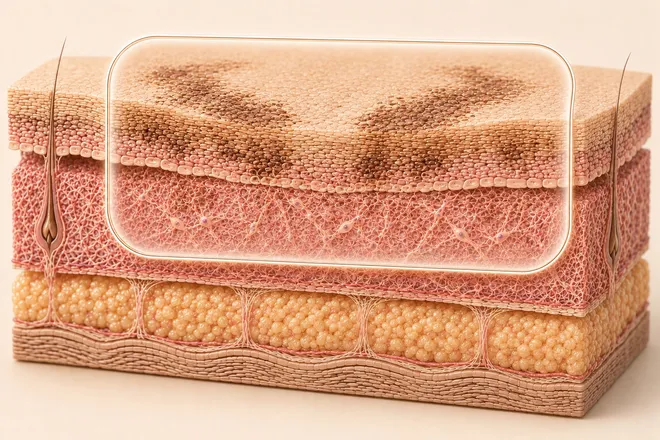
Most pigmentation responds predictably to IPL and resurfacing. Melasma does not, because it has a hormonal driver that remains active regardless of how much surface pigment is cleared. Oestrogen-sensitive melanocytes in the dermis continue producing excess melanin when triggered by UV or hormonal change, which is why melasma commonly appears or worsens during pregnancy, hormonal contraceptive use, or perimenopause. Treating the surface without addressing the deeper driver produces short-lived results.
The depth problem
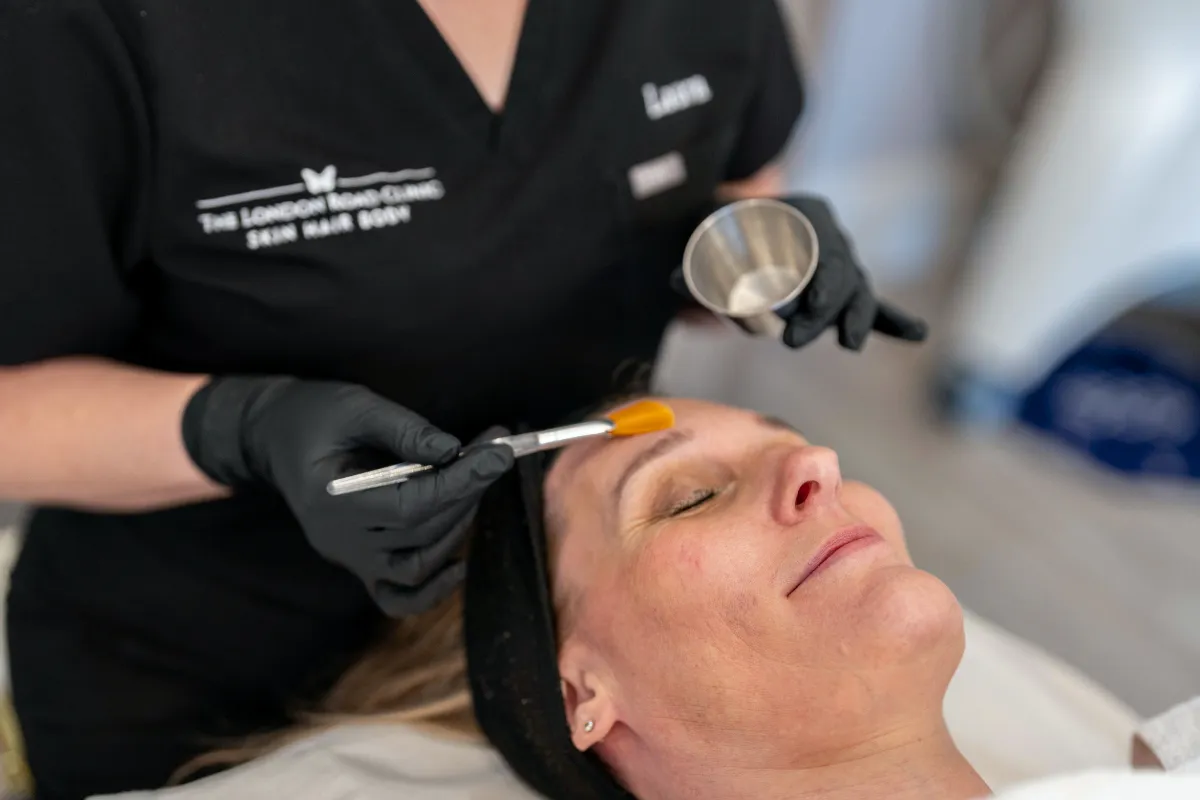
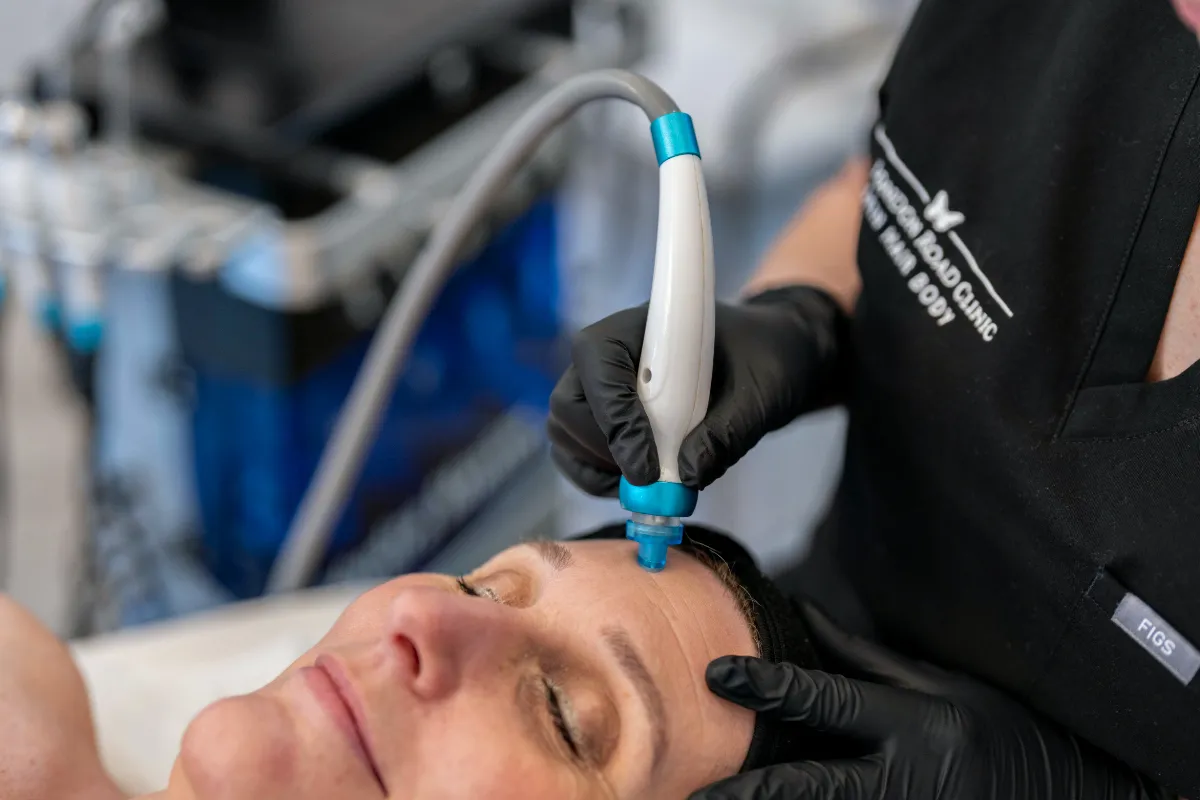
Melasma presents in three patterns: epidermal (surface), dermal (deep) and mixed. IPL, which works well for sunspots, can worsen dermal and mixed melasma by generating heat in the dermis and stimulating further pigment production.
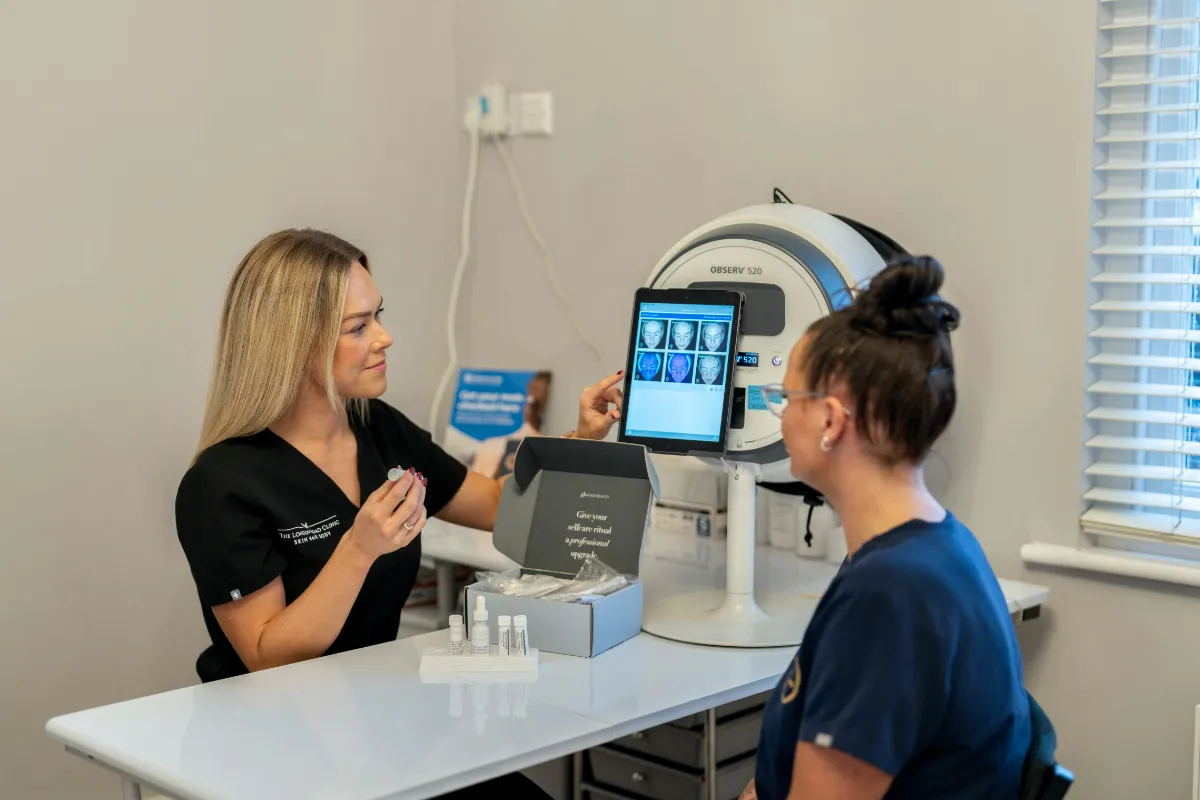
OBSERV skin analysis uses cross-polarised and UV fluorescence imaging to reveal where pigment sits before any treatment is chosen. Epidermal melasma shows clearly under UV light and responds to superficial acid peels and enzyme exfoliation. Dermal and mixed patterns require a more cautious approach, typically combining gentle resurfacing with topical support. Applying heat-based treatments to dermal melasma is one of the most common reasons the condition worsens after clinic treatment.
A maintenance mindset, not a one-off fix
Clinical studies report that melasma recurs in the majority of patients without a consistent maintenance programme. SPF 50+ applied daily is not optional. It is part of the treatment.
Even after significant clearance, melasma will return with continued UV exposure or hormonal change unless a maintenance programme is in place. This includes high-factor SPF every morning, avoidance of heat-generating treatments during active flares, and periodic resurfacing to manage new pigment accumulation. Consultation at The London Road Clinic includes a full maintenance discussion before any course of treatment begins.