Skin concern

Vein Removal

Visible veins on the face and legs are two distinct clinical problems with two distinct solutions. Getting the right treatment depends on knowing which type you have and where it is.
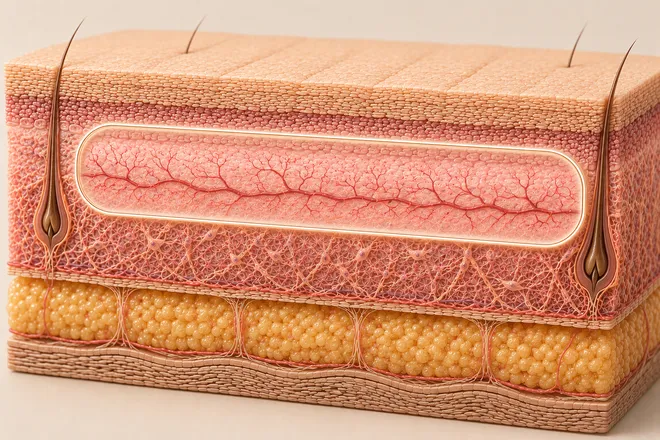
Vein Removal at The London Road Clinic

Understanding the cause

What's happening in your skin

01

Thread veins, spider veins and varicose veins are not the same

Thread veins and spider veins are superficial cosmetic concerns. Varicose veins involve deeper, larger vessels with valve failure and are a medical rather than cosmetic issue.

Thread veins are fine, superficial vessels close to the skin surface, visible as red, purple or blue lines. Spider veins are clusters of small dilated vessels in a branching pattern, most commonly on the legs. Reticular veins are slightly deeper blue-green feeder vessels that often supply spider vein clusters. Varicose veins are a separate category entirely, involving larger vessels with faulty valves and usually requiring ultrasound assessment and a surgical or endovenous pathway. The treatments offered at LRC address thread veins, spider veins and selected reticular veins only.

02

Facial veins and leg veins need different approaches

Laser is the appropriate first choice for facial thread veins. Sclerotherapy, in which a solution is injected directly into the vessel, is the clinically established standard for leg veins.

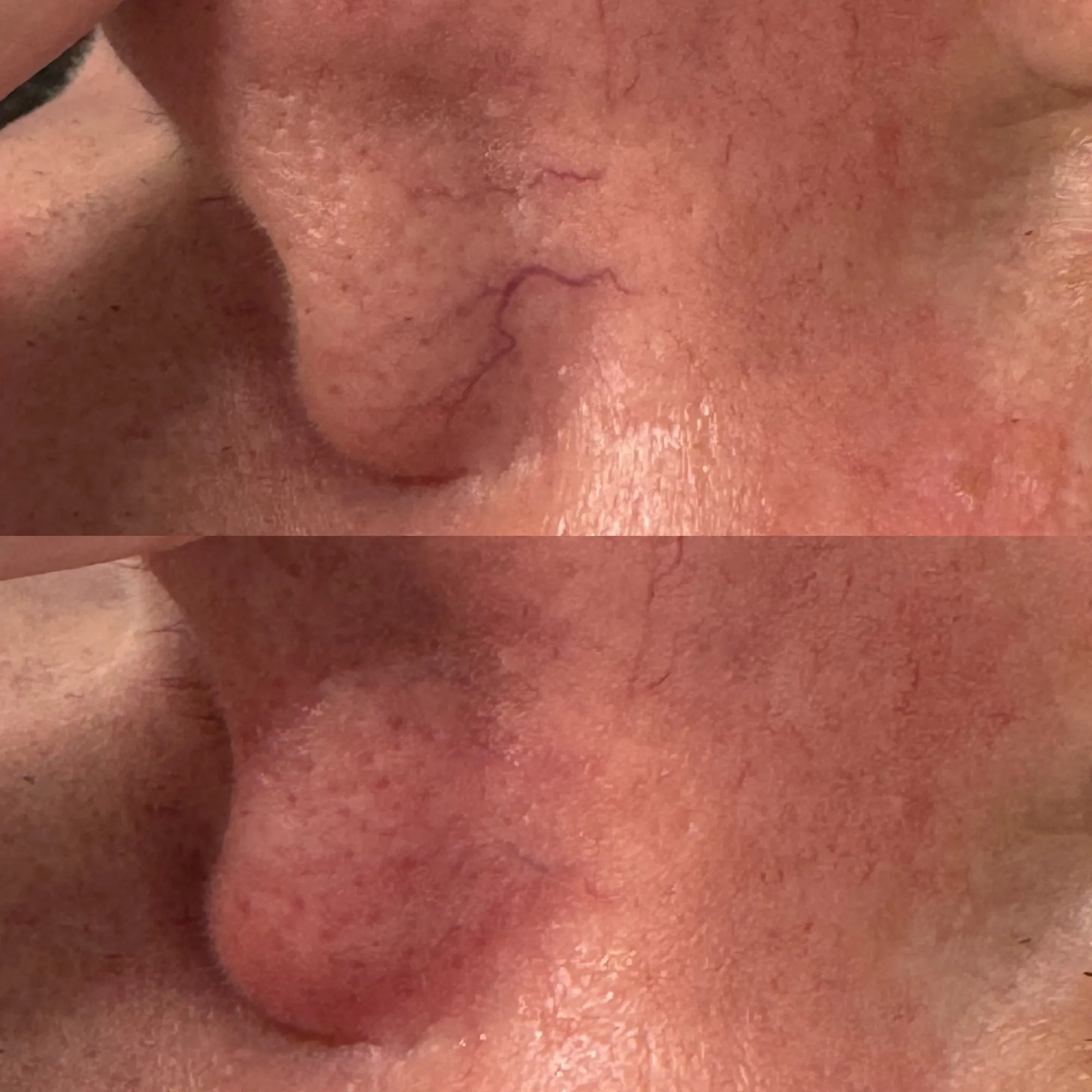
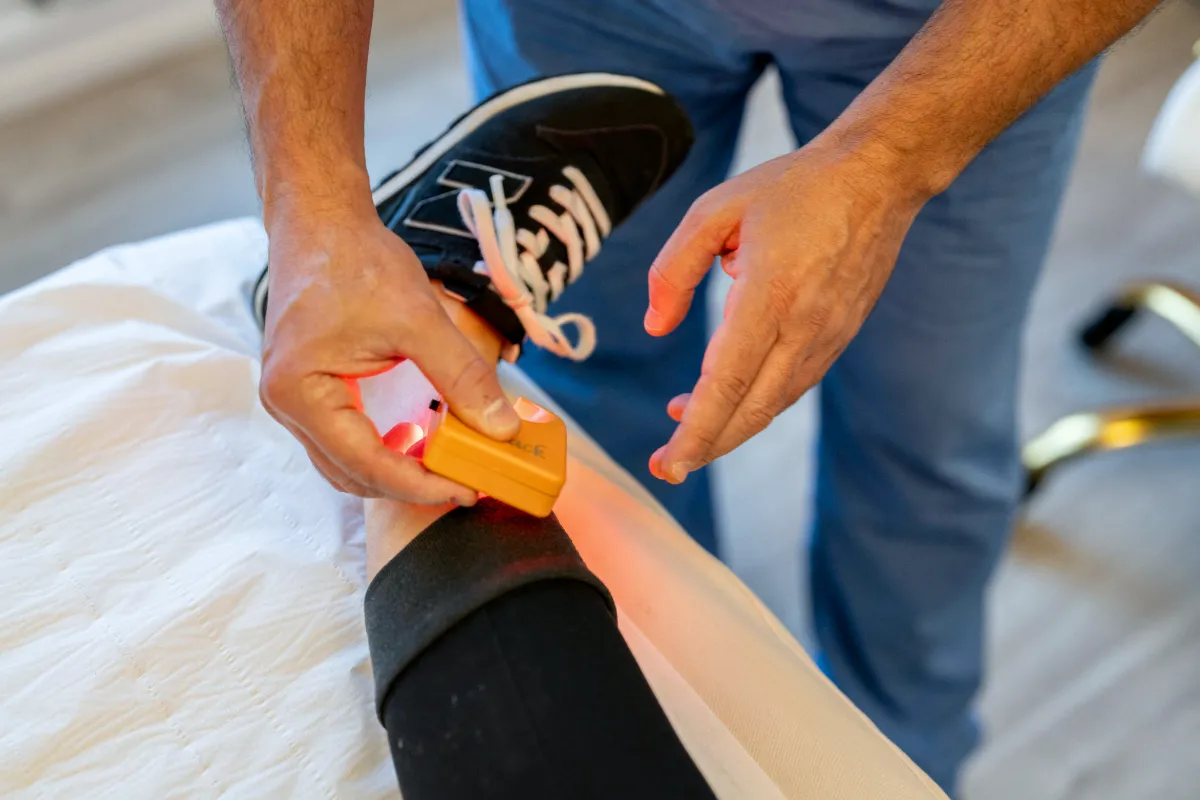
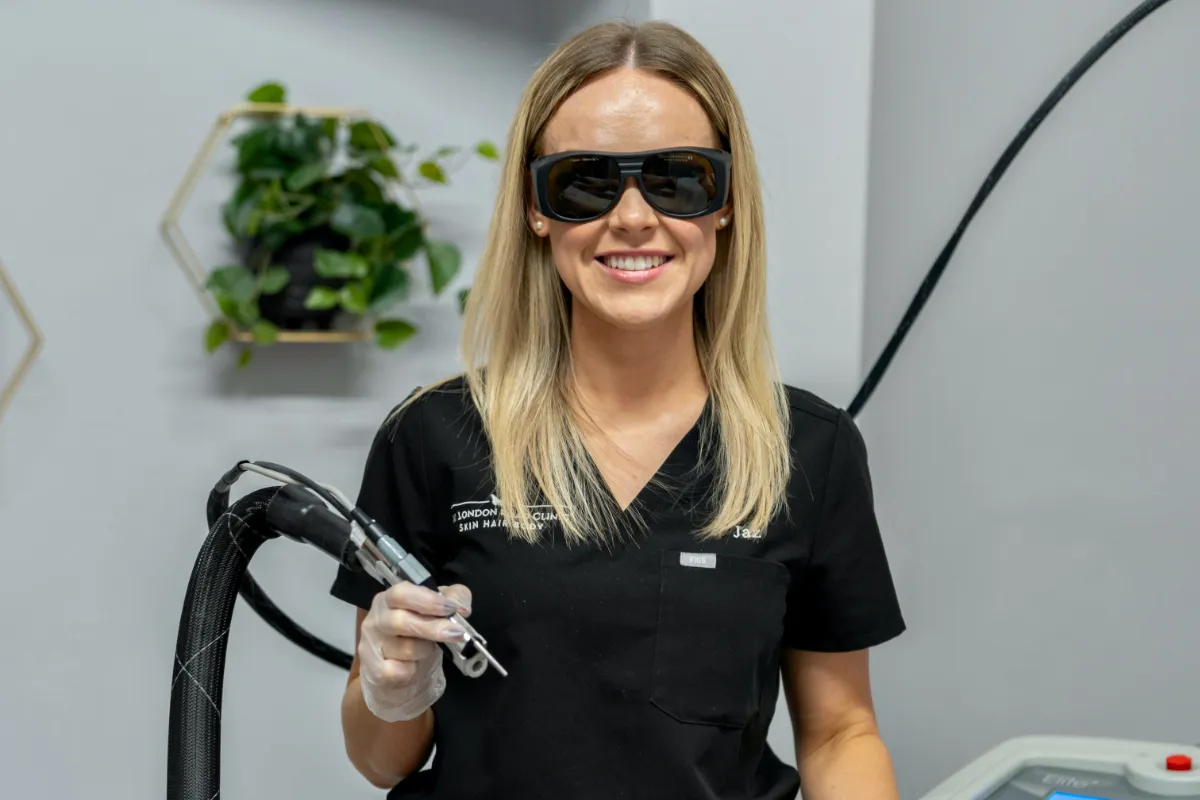
For facial thread veins, laser energy is absorbed by blood in the vessel, heating and closing it without injections or needles. The Cynosure Elite+ is precise and well tolerated on the delicate skin of the face. For leg veins, laser is less effective at the vessel sizes and depths typically present. Sclerotherapy, in which a prescribed sclerosing solution is injected directly into each target vessel, is the established clinical approach for spider veins, thread veins and reticular veins on the legs. Dr Shahe Boghossian prescribes and delivers all sclerotherapy at the clinic.

03

Neither treatment addresses varicose veins or prevents new vessels forming

Treated vessels are permanently closed. New vessels can develop over time, particularly with hormonal change, pregnancy or prolonged standing.

Once a vessel is closed by laser or sclerotherapy, it does not reopen. However, the underlying tendency to form new superficial vessels remains. Factors including genetics, hormonal change and prolonged periods of standing or sitting influence how many new vessels develop over time. Occasional maintenance treatment is reasonable for most clients. If varicose veins are identified at consultation, Dr Shahe will discuss appropriate next steps, which may involve referral for ultrasound-guided assessment.
Recommended treatments

What we use for vein removal

Clinical perspective

The most common misunderstanding I encounter with vein removal is people treating all visible veins as the same problem. A fine red thread vein on the cheek and a cluster of spider veins on the thigh look similar but they are in different tissue, at different depths, and they respond to different treatments. Taking the time to identify exactly what someone has and where it is determines everything about which approach will actually work.

Location determines treatment Sclerotherapy for legs Laser for facial veins
Dr Shahe Boghossian, Medical Consultant, The London Road Clinic

In their own words

I had a cluster of thread veins on my cheek for years and always covered them with makeup. After two sessions they are almost completely gone.
Representative client experience · with Laser Vein Removal team

Verified Fresha review. Displayed as submitted. Read all 1,400+ reviews →

Common questions

Frequently asked about vein removal

How do I know whether I need laser or sclerotherapy?
The location and type of vessel are the determining factors. Fine facial thread veins are typically treated with laser. Spider veins, thread veins and reticular veins on the legs are treated with sclerotherapy. A consultation at the clinic will confirm which is appropriate for you and whether a combination approach makes sense.
How does sclerotherapy work?
A prescribed sclerosing solution is injected into each target vessel using a very fine needle. The solution irritates the vessel wall, causing it to collapse and close. The body then reabsorbs the treated vessel over four to eight weeks and it fades from view. Dr Shahe Boghossian prescribes and delivers all sclerotherapy at the clinic.
How does laser vein removal work?
Laser energy is absorbed by blood within the targeted vessel, generating heat that closes the vessel while leaving surrounding skin unaffected. It is most appropriate for fine superficial vessels on the face. Treatment sessions are usually short and downtime is minimal.
Is vein removal permanent?
Treated vessels are permanently closed by both laser and sclerotherapy. They do not reopen. However, new vessels can form over time, particularly with hormonal change or factors that increase venous pressure. Occasional maintenance treatment is reasonable for most clients.
Can you treat varicose veins?
No. The clinic treats superficial thread veins, spider veins and reticular veins only. Varicose veins involve larger, deeper vessels with valve failure and typically require an ultrasound assessment and a different clinical pathway. If varicose veins are identified at your consultation, Dr Shahe will advise on appropriate next steps.
How many sessions will I need?
Sclerotherapy for leg veins typically requires two to four sessions, spaced to allow treated vessels to clear before assessing what remains. Laser for facial veins may achieve good results in one to two sessions for smaller vessels, with some clients needing more. Both are discussed and planned at consultation.
Is treatment suitable after pregnancy?
Sclerotherapy is not appropriate during pregnancy. After pregnancy, it is generally advisable to wait until the postnatal period is complete, as hormonal change during and after pregnancy can influence vessel formation. Your clinician will advise on timing at consultation.

Ready to take the next step?

Book a consultation

Your clinician will assess your skin, review your history and design a treatment plan matched to your specific presentation, not a generic protocol.

Medically reviewed by Dr Shahe Boghossian, Medical Consultant, GMC 5204600 . Last reviewed 21 May 2026.

Registered with & recognised by

Book a consultation WhatsApp