Dark Spots on the Body and Hands: Causes and Treatment
A clinical guide to dark spots on the body and hands: the different types, what causes each, which treatments produce genuine improvement, and when to seek a GP review. Written by Lydia Griffin, Clinic Director at The London Road Clinic, Newark.
Published 21 May 2026
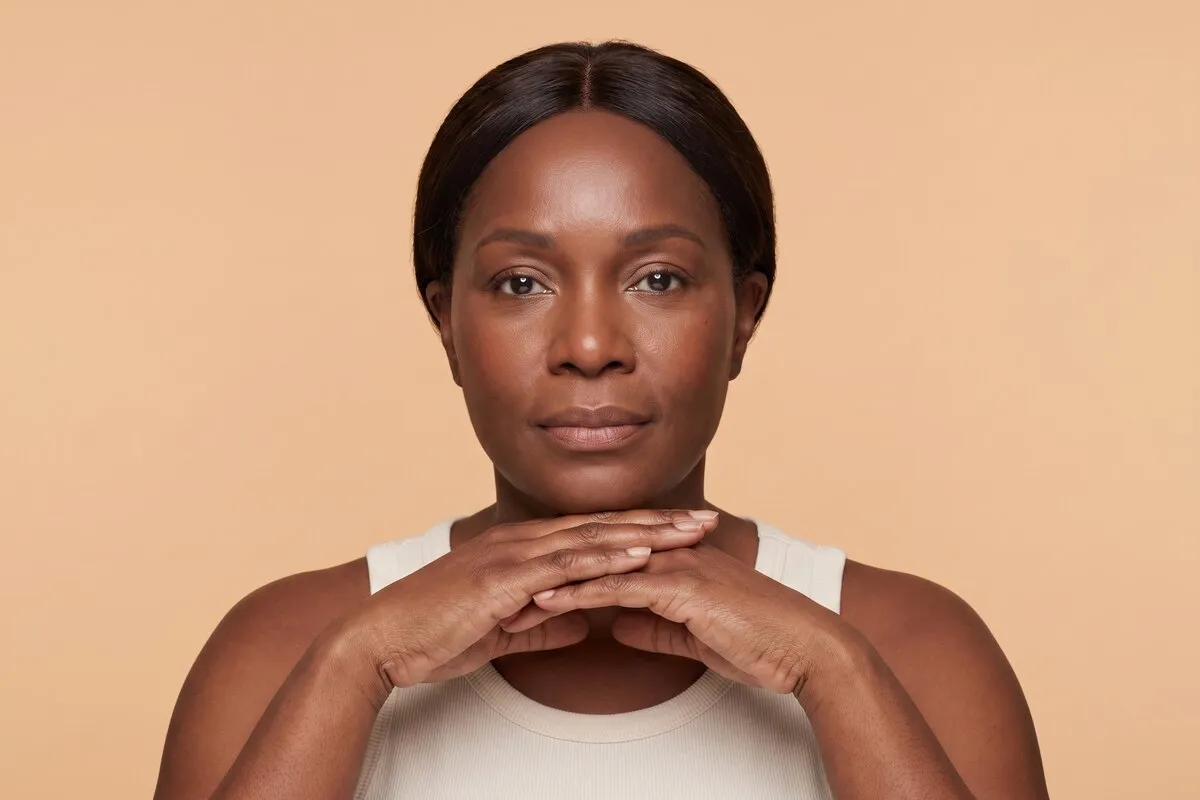
Dark spots on the body and hands are among the most visible and consistent signs of cumulative sun exposure, and they are routinely undertreated because patients assume they cannot be addressed on areas other than the face. They can. The approach varies by spot type, and understanding which type you have determines the most efficient path to improvement.
Not all dark spots are the same
The term “dark spots” covers several clinically distinct presentations that develop through different mechanisms and respond to different approaches. Getting the type right before selecting a treatment is more important than most patients realise.
Solar lentigines
Solar lentigines are the flat, brown to dark-brown spots that develop on areas of chronic sun exposure: the backs of the hands, forearms, shoulders, upper chest and décolletage. They are caused by localised overactivity of melanocytes, the cells that produce pigment, in response to cumulative UV damage. They are benign.
The colloquial terms “age spots” and “liver spots” reflect when they tend to appear, typically from the 40s onwards, but age is not the direct cause: UV exposure is. A 40-year-old who has consistently used SPF on their hands will have fewer solar lentigines on their hands than a 40-year-old who has not, regardless of any other factor.
Solar lentigines are the most treatment-responsive of the dark spot types. They have a clear chromophore target (melanin at the surface of the lesion) that laser and IPL devices address directly.
Post-inflammatory hyperpigmentation (PIH)
PIH develops following any inflammatory event in the skin: acne, folliculitis (ingrown hairs), eczema flares, insect bites, trauma, or any treatment that causes skin irritation. In the inflammatory response, melanocytes become overactive and deposit excess melanin in the surrounding tissue. The result is a brown or grey-brown mark at the site of the inflammation, which can persist for months to years after the original event has resolved.
PIH on the body is common on the lower legs (from folliculitis or insect bites), shoulders and back (from acne), and décolletage (from friction or repeated irritation). It is more pronounced and persistent in darker skin tones, where melanocyte activity is higher.
Treatment is possible but requires a different approach from solar lentigines. Aggressive treatments that cause further inflammation can worsen PIH rather than improve it, particularly in darker skin tones.
Seborrhoeic keratoses
Seborrhoeic keratoses are benign skin growths that increase in frequency and size with age. They have a characteristic waxy, “stuck-on” appearance, ranging from pale tan to very dark brown or near-black, and vary significantly in size. They are extremely common; most adults over 50 have at least a few, and some patients have dozens.
They are not caused by sun exposure and are not a form of hyperpigmentation, but they are frequently grouped with “dark spots” by patients who notice them developing. They are entirely benign but warrant clinical assessment to confirm the diagnosis before any treatment is undertaken, because their appearance can occasionally overlap with lesions that require medical evaluation.
At The London Road Clinic, seborrhoeic keratoses that have been assessed and confirmed as benign can be treated with cryotherapy using the CryoIQ device, which applies a precise application of nitrous oxide to remove the lesion. This should not be the first step: clinical assessment before treatment is standard.
Freckles
Ephelides (freckles) are small, flat, brown spots driven by UV exposure in fair-skinned patients with genetic predisposition. They darken in summer and fade in winter. They are benign and a normal characteristic for many people. Patients who want to reduce their visibility can do so with IPL and consistent SPF, but freckles are not a concern in the clinical sense that solar lentigines or PIH are.
When a dark spot needs a GP before treatment
Before covering any treatment, the most important point: any dark spot or raised lesion that has changed in size, shape or colour, has an irregular border, contains multiple colours, is larger than 6mm across, bleeds, itches, or is new and unfamiliar, should be assessed by a GP or dermatologist before receiving any aesthetic treatment.
The ABCDE rule is the established patient-facing guide for identifying lesions warranting GP assessment:
- A, Asymmetry. One half does not match the other.
- B, Border. Edges are irregular, ragged or blurred.
- C, Colour. Multiple shades of brown, black, red or white within one lesion.
- D, Diameter. Larger than approximately 6mm (the size of a pencil eraser).
- E, Evolving. Any change in size, shape, colour, or a new symptom such as itching or bleeding.
The London Road Clinic does not assess lesions for malignancy. Any spot that prompts uncertainty about its nature should go to a GP first. Aesthetic treatment of a concerning lesion is not appropriate until it has been clinically assessed.
With that clearly stated: the vast majority of dark spots on the body and hands are solar lentigines or PIH, are benign, and are appropriate for aesthetic treatment once assessed.
Treatment options
Lumecca IPL for solar lentigines
Lumecca, the high-intensity pulsed light device at The London Road Clinic, is one of the most effective treatments available for solar lentigines on the body and hands. IPL targets the chromophores in melanin, delivering a burst of broad-spectrum light that is preferentially absorbed by the pigmented cells. The treated lesion darkens briefly (this is the expected response), then sheds over one to two weeks, leaving clearer skin beneath.
For solar lentigines on the backs of the hands and décolletage, one to three Lumecca sessions typically produce significant improvement in the clarity and evenness of skin tone. The hands in particular respond well to this approach.
Body skin is generally less sensitive than facial skin, and Lumecca parameters are adjusted accordingly. Treatment of the décolletage and upper chest is covered in the neck and décolletage guide.
Laser treatment for specific lesions
The Cynosure Elite+ laser platform at The London Road Clinic includes both Alexandrite (755nm) and Nd:YAG (1064nm) wavelengths. The Nd:YAG wavelength is useful for targeting deeper pigmented lesions and for treating darker skin tones where IPL carries a higher risk of post-inflammatory pigmentation. The appropriate device and wavelength for specific lesions on the body and hands are determined at consultation.
CryoIQ cryotherapy
CryoIQ delivers a precise, controlled application of nitrous oxide to benign skin lesions, including seborrhoeic keratoses, solar lentigines and other appropriate lesions. The lesion is frozen briefly, causing the cells to be destroyed. Over the following two to three weeks the treated area blisters, crusts and sheds, leaving clearer skin.
CryoIQ is appropriate for isolated lesions that are confirmed benign and located in accessible areas. It is not suitable for widespread pigmentation covering large areas (where Lumecca is more efficient) and it is not appropriate for lesions that have not been clinically assessed.
Age spots and seborrhoeic keratoses are booked as separate treatments, cryotherapy for age spots and skin tag and lesion removal, because the assessment and the number of lesions differ.
Topical approaches
For solar lentigines and PIH on the body, topical approaches are supportive rather than corrective. Retinoids applied consistently to affected areas accelerate cell turnover and have modest evidence for reducing the colour and visibility of established spots. Vitamin C supports melanin regulation and antioxidant protection. A consistent SPF prevents the UV exposure that drives new lesion formation and worsens existing ones.
Topical approaches will not clear established solar lentigines significantly on their own. Used in combination with Lumecca or laser treatment, they support the result and reduce the rate of new spot development.
For the hands specifically: skin quality alongside pigmentation
The backs of the hands age through two concurrent processes: solar pigmentation (lentigines) and skin quality decline (thinning skin, visible veins, loss of volume). Addressing pigmentation without addressing skin quality leaves the hands looking better in tone but still aged in texture and structure.
At The London Road Clinic, Profhilo bio-remodelling is used for the hands alongside Lumecca treatment for pigmentation in patients where both components are present. Profhilo for the hands uses the same bio-remodelling mechanism as the face: improving skin quality, firmness and hydration at the structural level. The two treatments address different aspects of hand ageing and are complementary rather than competing. The Profhilo patient guide covers the mechanism and treatment in full.
Prevention: the only approach that compounds over time
The most effective single action for preventing new solar lentigines on the body and hands is consistent SPF applied to all sun-exposed areas, every day.
The hands specifically are chronically neglected. Patients who apply SPF to their face consistently may not extend this to their hands, which are equally exposed. The contrast between well-protected facial skin and heavily spotted hand skin is one of the most common presentations in clinic.
SPF applied to the backs of the hands and forearms daily, including while driving, produces a measurable difference over years compared to UV-unprotected skin of the same type. See the sun damage and SPF guide for the full detail on UV, SPF factors, and application.
For PIH specifically, the key prevention principle is avoiding the inflammatory events that trigger it. Where those events are acne, treating the acne reduces PIH. Where they are folliculitis from hair removal, adjusting the removal method reduces PIH. Where they are from treatment, appropriate aftercare and SPF minimise the post-treatment pigmentation risk.
The broader context of hyperpigmentation types and how they develop on the face is covered in the hyperpigmentation guide, which applies equally to body pigmentation concerns.
Frequently asked questions
What causes dark spots on the hands and body?
What is the difference between solar lentigines and age spots?
When should I see a GP about a dark spot rather than an aesthetic clinic?
Can IPL treat dark spots on the hands and body?
What are the 'stuck-on' bumpy spots that appear with age?
How can I prevent new dark spots from forming on my hands?
Can the texture and thinness of the hands be treated alongside the dark spots?
Pigment on the hands and body behaves differently to pigment on the face, and not all of it is suitable for light-based treatment. A consultation checks which yours is.
Treatments that may help
Related advice
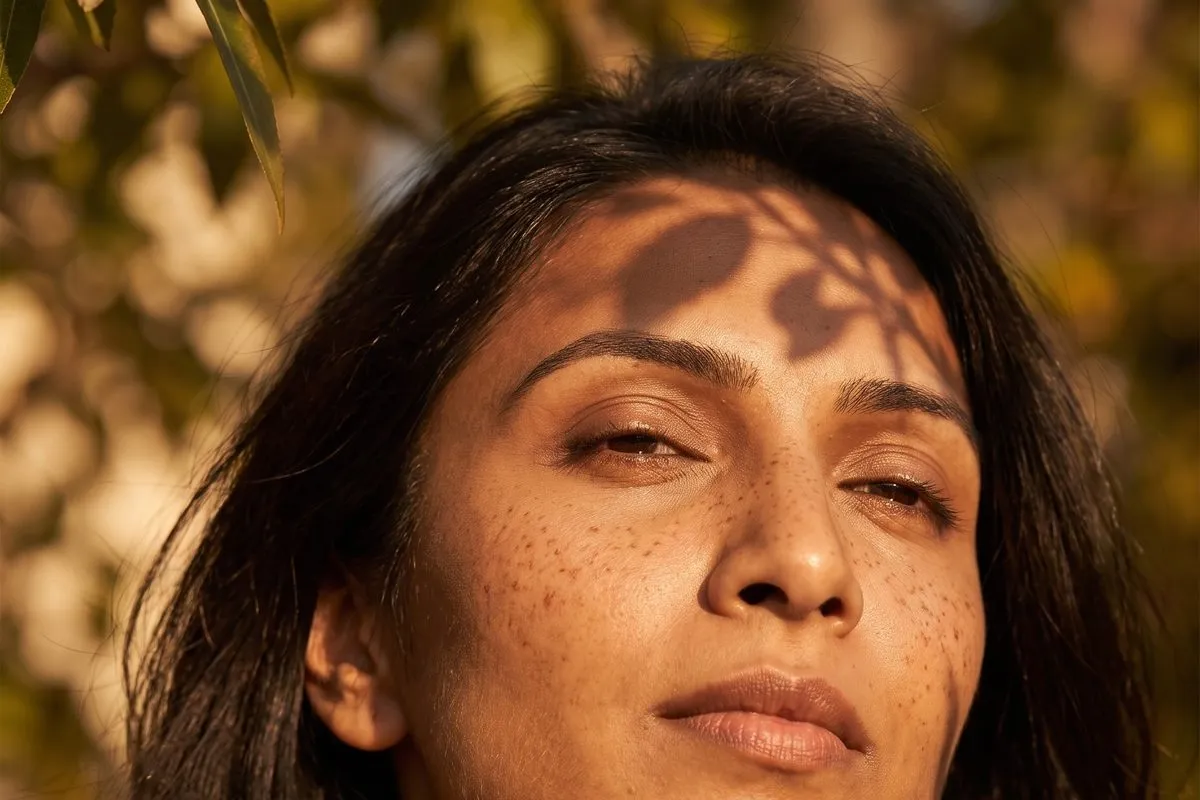
Hyperpigmentation: Types, Causes and How Each Is Treated
Hyperpigmentation covers several distinct conditions with different causes, depths and treatment responses. Lydia Griffin explains how to distinguish them and why the type of pigmentation determines the treatment approach.
21 May 2026
Dry and Dehydrated Skin: Causes and Treatment
A clinical guide to understanding the difference between dry and dehydrated skin, what causes each, and how to address them effectively. Written by Lydia Griffin, Clinic Director at The London Road Clinic, Newark.
21 May 2026
Dull and Tired-Looking Skin: Causes and Treatment
A clinical guide to understanding what causes dull, tired-looking skin and what addresses it, from skincare to professional treatments. Written by Lydia Griffin, Clinic Director at The London Road Clinic, Newark.
21 May 2026