Dry and Dehydrated Skin: Causes and Treatment
A clinical guide to understanding the difference between dry and dehydrated skin, what causes each, and how to address them effectively. Written by Lydia Griffin, Clinic Director at The London Road Clinic, Newark.
Published 21 May 2026
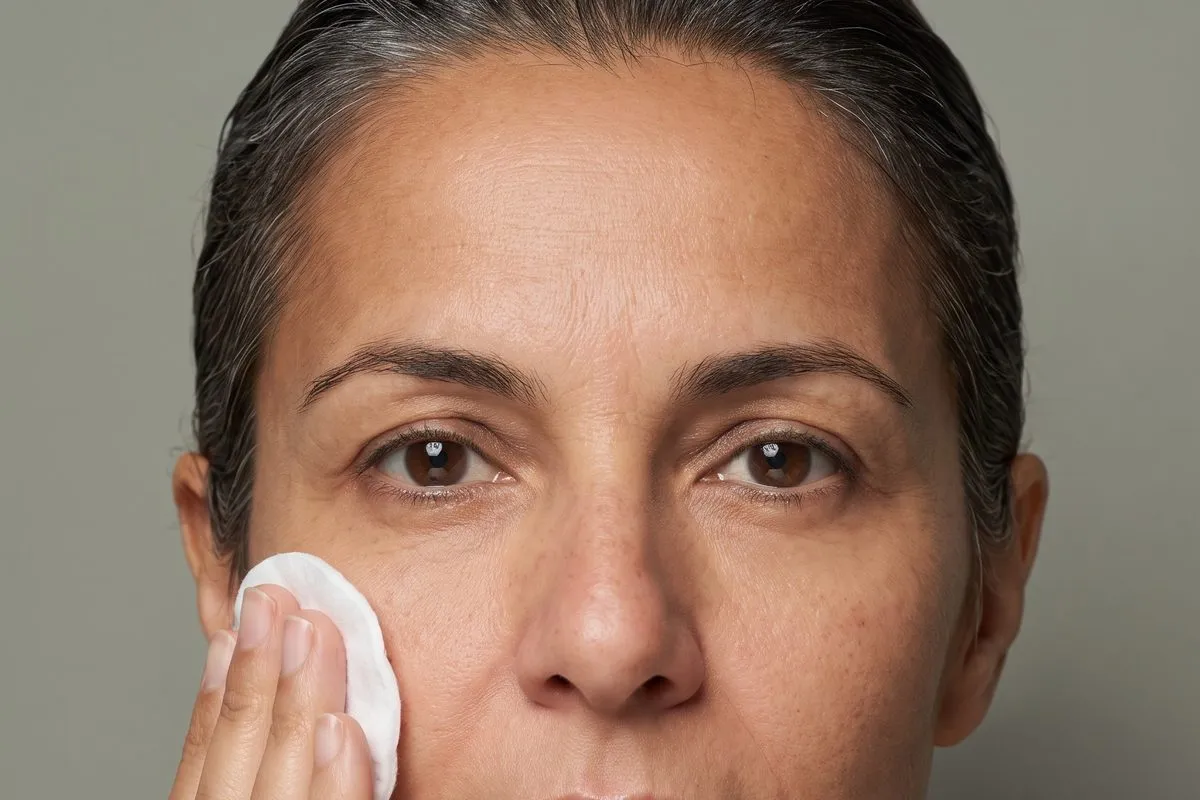
Dry skin is a skin type, characterised by insufficient sebum production. Dehydrated skin is a skin condition, characterised by insufficient water content in the skin cells. They are different problems with different causes, and treating one as the other is the most common reason patients find their skincare isn’t working.
Why the distinction matters
Most patients who come to The London Road Clinic describing their skin as dry are, on clinical assessment, dehydrated. This is not a minor semantic point. Dry skin needs oil. Dehydrated skin needs water retention. A rich emollient moisturiser will help dry skin; it may sit on top of dehydrated skin without fully addressing it. An effective hyaluronic acid serum will help dehydrated skin regardless of skin type, including oily skin. Getting this right is the starting point for everything else.
The two conditions frequently coexist, and many patients have elements of both. Age plays a role in both: sebum production declines after the mid-30s (more steeply after the menopause in women), and the skin’s natural ability to retain water diminishes with reduced hyaluronic acid in the dermis. But dehydration, in particular, is often driven by factors well within a patient’s ability to address.
Dry skin: what it is and what causes it
Dry skin (clinically, xerosis) is characterised by reduced activity of the sebaceous glands, the structures in the skin that produce sebum, the skin’s natural oil. Without adequate sebum, the skin’s surface barrier is compromised: water evaporates more readily, the skin feels tight, and the surface appears dull, rough or flaky.
What drives dry skin:
- Genetics. Some people produce less sebum constitutionally throughout their lives. This is a skin type, not a skin problem, but it requires a consistent approach to support the barrier.
- Age. Sebum production declines with age, particularly after the menopause. Skin that was combination in the 30s can become dry by the 50s with no other change.
- Hormonal change. Thyroid disorders, menopause and certain medications can reduce sebaceous activity. If your skin has become significantly drier alongside other symptoms, a GP review is worth pursuing.
- Environment. Cold air, low humidity, and central heating all draw moisture from the skin surface and suppress barrier function.
- Eczema and atopic conditions. These involve a structural deficiency in the skin barrier, specifically filaggrin, a protein essential for barrier integrity. Eczema is a medical condition that warrants GP or dermatologist review; it is not simply very dry skin.
Dehydrated skin: what it is and what causes it
Dehydration is a skin condition, not a skin type, and this is what makes it such a useful concept for patients to understand. Oily skin can be dehydrated. Combination skin can be dehydrated. Even skin that appears healthy can be functionally dehydrated and behaving suboptimally as a result.
The mechanism is transepidermal water loss (TEWL): water escaping through the skin’s surface faster than it can be retained. When the skin barrier is functioning well, it holds water in the epidermis effectively. When the barrier is compromised, that retention fails.
What drives dehydrated skin:
- Over-cleansing or cleansing with harsh products. The single most common cause in patients I see. A cleanser that strips the skin’s natural oils compromises the barrier and causes water loss. Foaming cleansers, soap-based products, and hot water are the usual culprits.
- Actives without adequate barrier support. Retinoids and glycolic acid improve skin quality significantly but disrupt the barrier while they do so, particularly at the start of use. Introducing actives too quickly without adequate moisturiser causes dehydration. This is not a reason to avoid actives; it is a reason to introduce them slowly.
- Environmental exposure. UV radiation is the most significant environmental driver of barrier disruption. Cold, wind, air conditioning, and central heating compound it. The practical implication is that skin exposed to British winters and British summers without consistent SPF is likely to be more dehydrated than it needs to be.
- Lifestyle factors. Alcohol dehydrates the skin directly. Poor sleep impairs the skin’s overnight repair process, including barrier regeneration. Smoking reduces skin circulation and accelerates barrier compromise.
- Insufficient water intake. This is often overstated as a factor in skin hydration (the skin is not simply a sponge for drinking water), but severe dehydration does affect skin function. It is one factor among many.
How to tell which one you have
The presentation of dry and dehydrated skin overlaps, but there are practical ways to distinguish them.
Dry skin typically feels tight and rough to the touch, particularly after cleansing. The surface may appear flaky or dull. It tends to feel uncomfortable in cold or low-humidity environments. Pores are usually less visible.
Dehydrated skin often presents with fine surface lines that are not consistent with established wrinkles, particularly when the skin is pinched lightly between two fingers (the “pinch test”, fine lines appearing briefly on release indicate dehydration). The skin may look dull and feel lacking in bounce. It can occur on any skin type, including oily and acne-prone skin. Breakouts alongside a feeling of tightness is a common sign of oily skin that is also dehydrated.
At The London Road Clinic, Lydia uses the Observ 520 skin analysis system at consultations for patients with skin concerns. The Observ provides a clinical-grade view of hydration, barrier function, and underlying skin condition that supports more precise assessment than visual inspection alone.
The homecare foundation
Before any clinical treatment is appropriate or worthwhile, the homecare foundation needs to be right. Treating dehydrated skin with professional treatments while continuing to use a harsh foaming cleanser every morning is poor sequencing.
The four homecare essentials for dry or dehydrated skin:
-
A gentle, non-stripping cleanser. No soap, no foaming surfactants. A cream, oil, or balm cleanser appropriate to the skin type. This single change, done consistently, makes a meaningful difference for most patients with dehydration.
-
A hyaluronic acid serum. HA is a humectant, meaning it draws and holds water in the epidermis. Applied to damp skin before moisturiser, it is one of the most evidence-based topical approaches to dehydration. It works on all skin types.
-
A moisturiser that supports barrier function. Ceramides are the structural lipids in the skin barrier. A moisturiser containing ceramides, alongside HA and, where appropriate, emollient fatty acids, addresses both water retention and barrier repair. At The London Road Clinic, we stock professional ranges including Glo Skin Beauty, Obagi Medical and ZO Skin Health, each of which includes barrier-appropriate formulations.
-
Daily SPF. UV damage is one of the primary drivers of barrier compromise and ongoing dehydration. Consistent broad-spectrum SPF 30 or above, used every morning regardless of weather, is not optional for patients who want to address skin hydration effectively. See the sun damage and SPF guide for more.
Beyond these four, the introduction of actives (retinoids, vitamin C, exfoliating acids) should be gradual, with barrier support prioritised. Skin texture concerns, of which dehydration is frequently a component, are covered in the skin texture guide.
When professional treatment adds value
For many patients with dehydrated skin, correcting the homecare routine produces significant improvement within four to six weeks. But there are two situations where professional treatment is clearly beneficial.
First: significant structural dehydration. When the dermis (the deeper skin layer) is depleted of hyaluronic acid due to age or cumulative damage, topical products address the surface but cannot fully reach the structural deficit. Injectable bio-remodelling, specifically Profhilo, is the most effective clinical approach for this. Profhilo spreads through the dermis, binds water at that level, and stimulates the fibroblasts that produce the skin’s own hyaluronic acid. The full account is in the Profhilo patient guide.
Second: ongoing barrier disruption that topical approaches are not resolving. Dermalux LED therapy, available at The London Road Clinic, supports barrier repair and reduces the inflammation that drives ongoing transepidermal water loss. It is a useful adjunct when barrier function is not recovering adequately with skincare changes alone.
For skin laxity that accompanies significant long-term dehydration, the skin laxity guide covers the full range of treatments.
When to see your GP
Dry skin associated with any of the following warrants a GP review rather than a skincare change or professional aesthetic treatment:
- Persistent itching, particularly at night.
- Rash, redness or weeping areas alongside dryness (possible eczema or contact dermatitis).
- Sudden onset of significant dryness alongside other symptoms such as fatigue, weight change or hair thinning (possible thyroid function change).
- Skin that does not respond to any moisturiser and continues to crack or bleed.
- Children with dry or itchy skin (paediatric eczema assessment is a GP and paediatric dermatologist matter, not an aesthetic clinic matter).
At The London Road Clinic we treat adults only. For patients with a dermatological condition underlying their skin dryness, we are happy to work alongside a GP or dermatologist once the primary condition is managed.
A note on skin type acceptance
One of the principles at The London Road Clinic, and one I feel strongly about, is that very dry skin as a constitutional type is not a condition to be corrected. It is a skin type to be supported. The goal of treatment and skincare for patients with constitutionally dry skin is not to make them produce more sebum; it is to build an approach that maintains the barrier they have, prevents the environmental damage that compromises it further, and addresses any structural dehydration in the dermis. That is a different framing from the one many patients arrive with, and it tends to produce better outcomes.
The ageing well philosophy that guides how we approach treatment planning at The London Road Clinic applies here: the aim is healthy skin function, not the pursuit of a skin type the patient was not born with.
Frequently asked questions
What is the difference between dry and dehydrated skin?
Can oily skin be dehydrated?
What is the most common cause of dehydrated skin?
Which skincare ingredients help dehydrated skin?
When does dehydrated skin need professional treatment rather than better skincare?
How long does it take for dehydrated skin to recover?
Does drinking more water fix dehydrated skin?
Dry skin and dehydrated skin need opposite things, and treating the wrong one makes the other worse. A consultation tells you which you are dealing with.
Treatments that may help
Related advice

Sensitive Skin and the Skin Barrier: Causes and Treatment
A clinical guide to sensitive skin: what it is, how to distinguish a compromised barrier from true skin sensitivity, and what consistently helps. Written by Lydia Griffin, Clinic Director at The London Road Clinic, Newark.
21 May 2026

Dull and Tired-Looking Skin: Causes and Treatment
A clinical guide to understanding what causes dull, tired-looking skin and what addresses it, from skincare to professional treatments. Written by Lydia Griffin, Clinic Director at The London Road Clinic, Newark.
21 May 2026
Fine Lines Around the Mouth: Causes and Treatment
A clinical guide to perioral fine lines: what causes them, why they are among the harder lines to treat, and what approaches produce genuine improvement. Written by Lydia Griffin, Clinic Director at The London Road Clinic, Newark.
21 May 2026
Sources (3)
- Diagnosis and treatment of xerosis cutis - a position paper. Journal der Deutschen Dermatologischen Gesellschaft = Journal of the German Society of Dermatology : JDDG, 2019. PubMed 31738016
- Effectiveness of topical hyaluronic acid of different molecular weights in xerosis cutis treatment in elderly: a double-blind, randomized controlled trial. Archives of dermatological research, 2024. PubMed 38829483
- Does dietary fluid intake affect skin hydration in healthy humans? A systematic literature review. Skin research and technology : official journal of International Society for Bioengineering and the Skin (ISBS) [and] International Society for Digital Imaging of Skin (ISDIS) [and] International Society for Skin Imaging (ISSI), 2018. PubMed 29392767