Skin Texture: What Causes It and How Each Type Is Treated
Rough skin, enlarged pores, bumpy patches and crepey texture are distinct problems with different causes. Lydia Griffin explains how to distinguish them and why the type of texture concern determines the treatment approach.
Published 21 May 2026
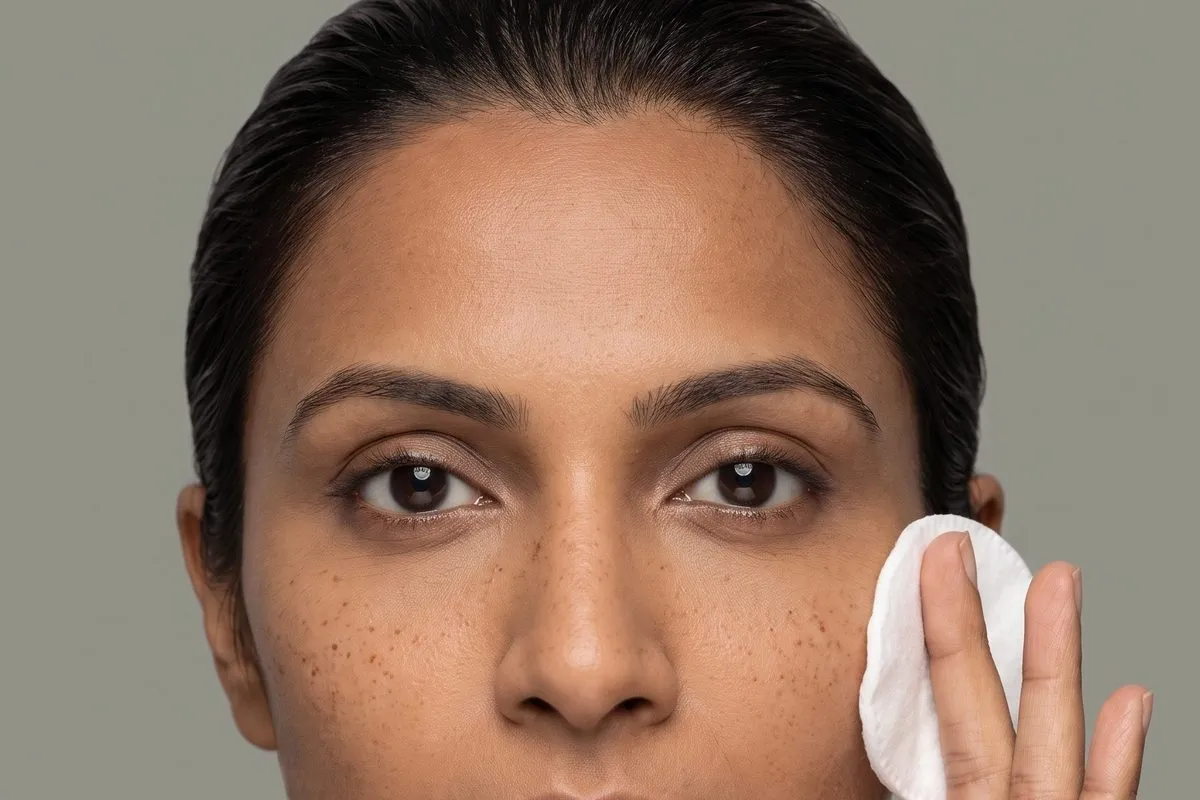
Skin texture is a broad category that covers several structurally different problems: enlarged pores, rough or uneven surface, bumpy follicular plugging, post-acne surface irregularity, and the thin, tissue-paper quality of crepey skin. These look and feel different, they have different causes, and they respond to different treatments. Approaching them as a single undifferentiated concern produces inconsistent results.
If you are not certain whether your concern is crepey skin, skin laxity or cellulite, our guide to telling laxity, cellulite and crepey skin apart will help you place it.
Enlarged pores
Pores are the surface openings of hair follicles and sebaceous glands. Their visible size is determined primarily by genetics and sebum production. They do not open and close and they cannot be permanently reduced in size, but their appearance can be meaningfully improved.
Several factors make pores appear larger than their structural size. Excess sebum and debris accumulating within the follicle stretches its opening. Loss of collagen and elastin in the surrounding dermis reduces the structural support that normally keeps the follicle walls tight. UV damage, which accelerates collagen loss, is a major contributing factor.
What helps: keeping the follicle clear (consistent cleansing, salicylic acid to dissolve sebum within the pore), stimulating collagen to restore structural support (SkinPen microneedling, Fractora), reducing sebum production (niacinamide, retinoids) and addressing UV damage (Lumecca IPL, chemical peels). The Observ 520 skin analysis can reveal the extent of follicular congestion and subcutaneous structural changes.
Rough and uneven surface texture
Rough skin that lacks the smooth, reflective quality of well-maintained skin is most commonly caused by slow or irregular cell turnover at the skin’s surface. UV damage, dehydration and the natural slowing of cell turnover with age all contribute.
This type responds well to treatments that accelerate epidermal renewal. Chemical peels dissolve the bonds holding dead cells at the surface. Regular use of topical AHAs in skincare produces a similar, sustained effect. SkinPen microneedling drives cell renewal alongside deeper collagen stimulation.
Dehydration contributes to rough texture independently of cell turnover. Hyaluronic acid-based skincare and the skin quality improvements from Profhilo are often noticed first in surface texture and softness.
Keratosis pilaris
Keratosis pilaris presents as small, rough bumps, typically on the outer upper arms, thighs and sometimes the cheeks, caused by keratin plugging the hair follicle opening. It affects approximately 40 per cent of adults and is entirely benign.
It does not have a cure and does not fully resolve for most people, but it can be significantly improved in appearance and texture. Consistent gentle exfoliation using a urea-based moisturiser or low-concentration lactic acid reduces the accumulation of keratin at the follicle opening. Topical retinoids normalise follicular keratinisation over time.
In-clinic treatment for keratosis pilaris is limited. The most reliable management is a sustained topical routine rather than periodic clinic intervention.
Post-acne surface irregularity
Distinct from the structural depressed scars covered in our guide to acne scarring, post-acne surface irregularity refers to the texture changes that remain after active acne resolves without producing true scars.
This type responds well to SkinPen microneedling, which drives collagen production uniformly across the treated area. Chemical peels improve epidermal smoothness. Adding exosome therapy after microneedling enhances the regenerative response. For more established texture changes, Fractora provides deeper remodelling.
Crepey skin
Crepey texture, fine, tissue-paper-like skin that lacks resilience, is primarily a consequence of elastin and collagen decline, particularly in areas of frequent movement and high UV exposure.
Polynucleotides injected into crepey areas improve skin quality and thickness through fibroblast stimulation and are among the most effective targeted options for this type of texture change. Profhilo provides significant hydration and skin quality improvement. Forma radiofrequency provides gentle heat-driven collagen support, useful particularly for the neck and decolletage.
Frequently asked questions
Can pores be made smaller?
How many microneedling sessions are needed for surface texture improvement?
Is keratosis pilaris related to diet?
Why does skin texture seem worse in some lighting than others?
Can retinol really improve skin texture?
Texture covers several distinct problems with different causes and different treatments. A consultation identifies which type you have and what it responds to.
Treatments that may help
Related advice

Skin Laxity, Cellulite or Crepey Skin? How to Tell Which One You Have
Laxity, cellulite and crepey skin are often confused, but they have different causes and different treatments. Lydia Griffin explains how to tell which one you are looking at, so you start in the right place.
19 July 2026
Patient Guide: Chemical Peels
A comprehensive patient guide to professional chemical peels at The London Road Clinic: peel types, what each treats, what recovery involves, and who is and isn't suitable. Written by Lydia Griffin, Clinic Director, JCCP No. 002569.
21 May 2026

Patient Guide: Microneedling
A comprehensive patient guide to medical-grade microneedling at The London Road Clinic: how SkinPen works, what it treats, what to expect, and how it compares to other collagen induction treatments. Written by Lydia Griffin, Clinic Director, JCCP No. 002569.
21 May 2026