Men and Aesthetics: What to Expect at The London Road Clinic
More men are seeking aesthetic treatment than ever before, and the consultation conversation is different. Clinic Director Lydia Griffin explains what men typically come to LRC for, how treatment is approached differently, and why discretion is built into how we work.
Published 21 May 2026
Men now represent a significant and growing proportion of aesthetic clinic patients across the UK. The conversation has shifted, not because the treatments have changed, but because the social permission to have the conversation has. At The London Road Clinic, male patients are treated by the same clinical team with the same standards and the same consultation-first approach as every other patient. What differs is the clinical picture: male skin is structurally different, male aesthetic goals tend to be described differently, and some concerns are more prevalent or more significant in men.
Why men come to us
The motivations most often described by male patients fall into a few consistent categories.
Looking refreshed rather than different. The most common stated goal is not to look younger in an obvious way but to look less tired, less drawn, or less like stress has accumulated visibly on the face.
Maintaining definition. Jawline and chin definition matter to many male patients in a way that is distinct from female aesthetic goals. Volume loss in the lower face changes the crispness of the jaw and the strength of the profile.
Skin quality. Men’s skin is approximately 25 per cent thicker than women’s on average and produces more sebum. Despite this relative thickness, male skin deteriorates from sun damage and lifestyle as predictably as female skin.
Specific medical concerns. Dr Shahe Boghossian’s background in vascular surgery means The London Road Clinic sees male patients specifically for gynecomastia assessment, post-surgical concerns and medical IV therapy alongside the aesthetic consultations.
How male skin differs clinically
Skin thickness and density. Thicker dermis and denser collagen structure means male skin often shows the effects of age slightly later but can also respond differently to certain treatments.
Vascular supply. The face in men, particularly in areas of beard growth, has a different and often denser vascular network than female facial anatomy. This increases bruising risk from injectables in certain areas.
Hairline and beard. Facial hair affects injection planning, approach to laser treatment, and the visual framing of results. Male hairline position also affects the visual proportions of the forehead.
Muscle mass. Facial muscles in men tend to be larger and stronger. This is relevant to anti-wrinkle treatment planning and affects both the volume required and the frequency of treatment needed to maintain a result.
Treatments most often considered
Anti-wrinkle treatment. The most common injectable treatment for male patients, used to soften the forehead, glabella and the lines at the outer eye that develop with expression. In men, the goal is consistently to maintain movement and expression while reducing the appearance of fatigue. Male brows have a different ideal architecture than female brows: flatter, with less arch, sitting at or slightly above the orbital rim.
Following an in-person consultation with our prescribing clinician, in line with current GMC, NMC, GPhC and GDC guidance.
Filler for jawline and chin. Restoring the crispness of the lower face is among the most requested male filler applications. Because the male jawline is typically more angular than its female equivalent, the approach uses firmer, more structured products in placement patterns that reinforce definition.
Tear trough and under-eye. The periorbital hollowing that creates a tired appearance is as prevalent in men as in women and is one of the more common first injectable treatments for male patients.
Laser hair removal. A practical and popular option for unwanted hair on the neck, back, shoulders and chest. The Cynosure Elite+ platform at The London Road Clinic treats across skin tones safely and efficiently.
Skin quality and regenerative treatment. Profhilo, polynucleotides and PRP for facial skin quality are increasingly requested by male patients in the 40-60 age range.
Hair restoration. Male pattern hair loss affects the majority of men to some degree by midlife. Scalp mesotherapy, PRP, polynucleotides and exosome therapy can support follicle health. Our guide to hair loss and thinning covers this in detail.
IV therapy. Doctor-led IV nutrition and hydration protocols, prescribed and administered by Dr Shahe Boghossian, are available for rehydration, recovery and general wellbeing support.
The consultation
The consultation process for male patients is identical in its clinical rigour to every other consultation at the clinic. Many male patients have not previously sat in a clinical aesthetics environment. The consultation is a straightforward medical conversation: what is bothering you, what is the clinical picture, what are the options and what are the realistic outcomes. The clinic is a private environment and appointments are managed with the same discretion for all patients.
Frequently asked questions
Will anti-wrinkle treatment make me look frozen or unnatural?
Is there a noticeable downtime after injectable treatment?
Do men need different products or doses than women?
Is the clinic environment comfortable for men?
Can Dr Shahe Boghossian assess gynecomastia?
Men's skin, muscle mass and treatment priorities differ, and the planning reflects that. A consultation covers what you want addressed and what is worth doing first.
Treatments that may help
Related advice

Is Your Laser Clinic Licensed? What to Ask Before You Book
In most of England no licence is needed to run a Class 4 laser on the public. Where a licence does exist, this is what it requires, what it does not cover, and the questions worth asking any clinic before you book.
12 August 2026
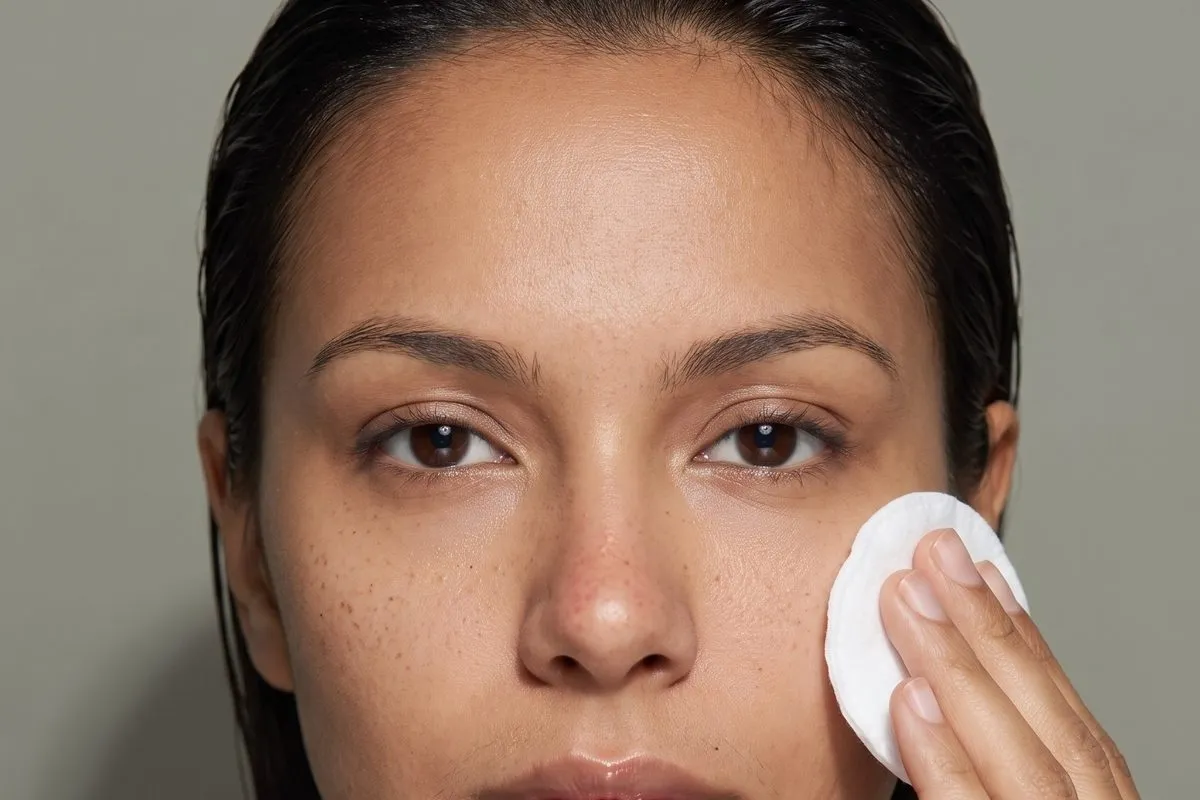
How to Read a Skincare Ingredient Label
What the ingredient list on a skincare product is telling you, how to spot active ingredients from fillers, and which marketing terms mean nothing at all.
22 May 2026
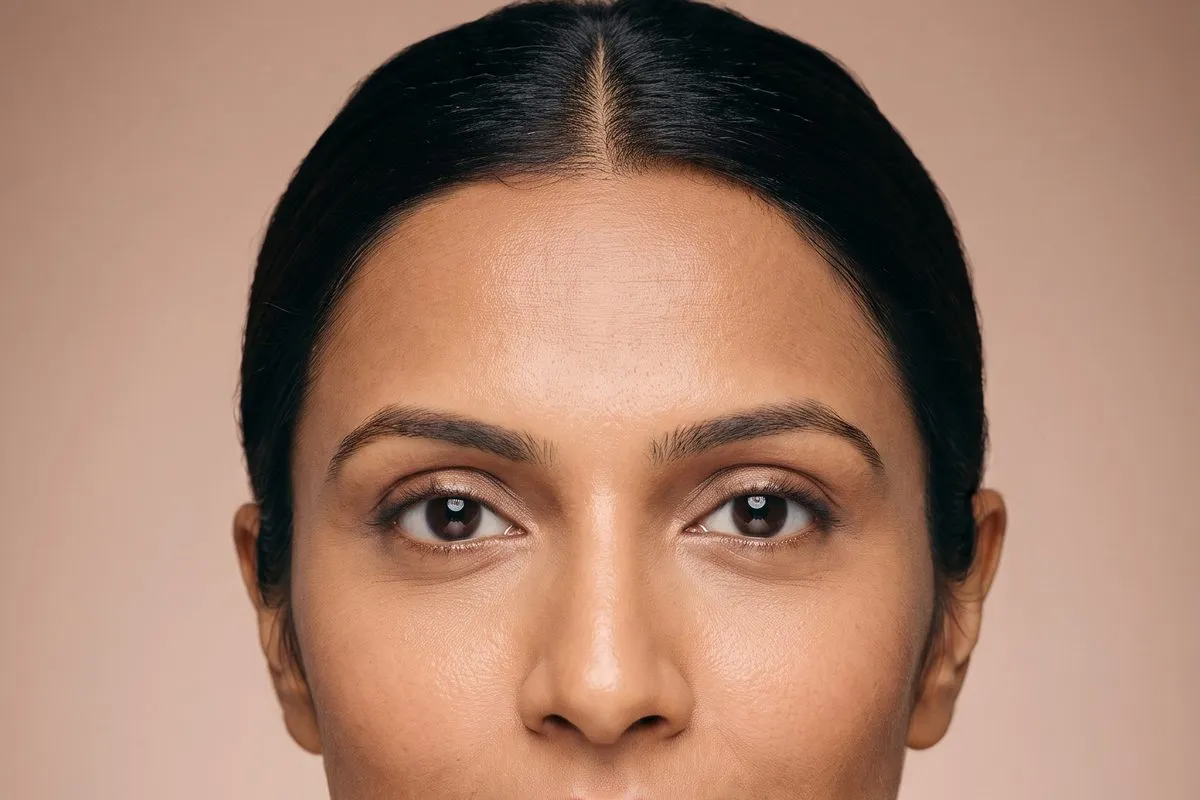
What Makes a Good Aesthetic Before and After Photo
How to critically evaluate before and after photos, the variables that make a comparison legitimate or misleading, and the standards LRC applies to its own photography.
22 May 2026