Sleep and Skin Health: What the Science Shows
A clinical foundations guide to sleep and skin: what happens to the skin during sleep, what poor sleep does to it, and why no skincare routine fully compensates for consistently inadequate rest. Written by Lydia Griffin, Clinic Director at The London Road Clinic, Newark.
Published 21 May 2026
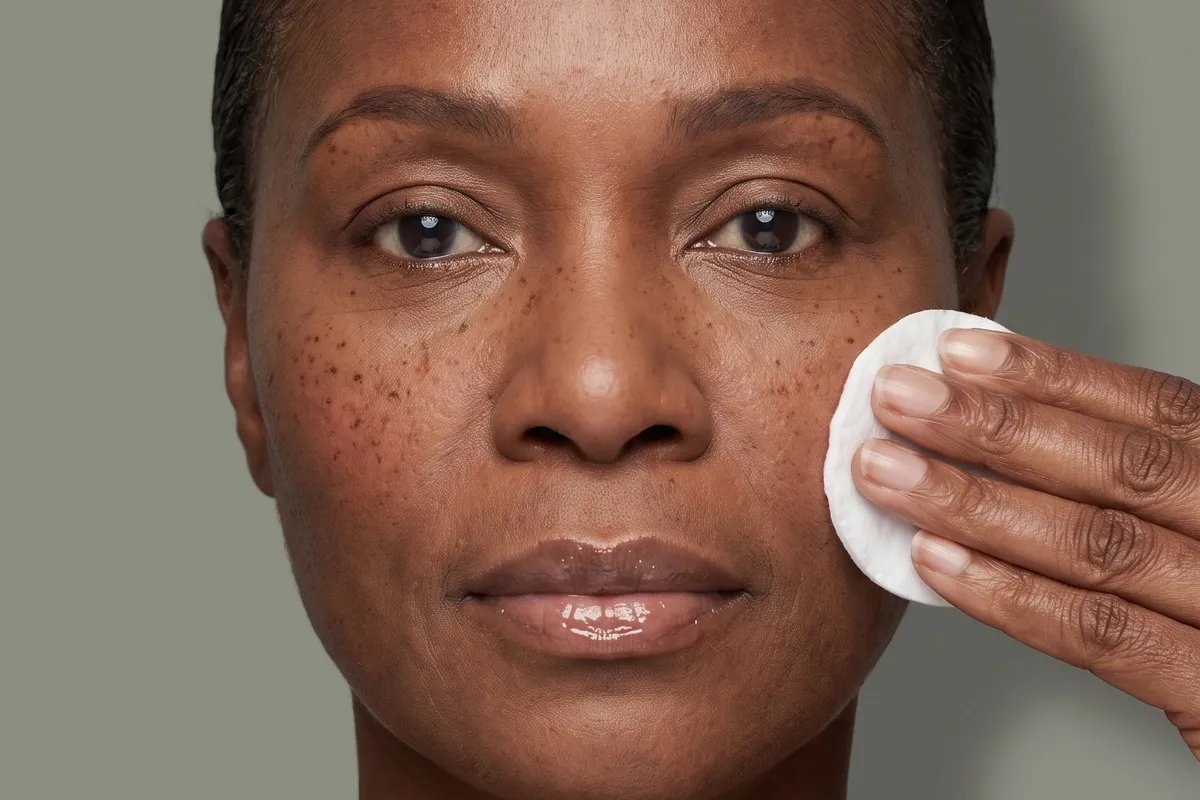
Sleep is not a lifestyle preference. It is a biological process during which the skin performs functions that cannot be replicated during waking hours, and which no topical product or professional treatment can substitute for if it is consistently inadequate. Understanding why helps patients make sense of results they are not seeing from their skincare, and of visible changes that appeared alongside changes in their sleep.
What the skin does while you sleep
Skin does not simply rest during sleep. It is among the most metabolically active periods for the skin.
Growth hormone and collagen synthesis. During slow-wave (deep) sleep, the pituitary gland releases a significant pulse of growth hormone. Growth hormone is one of the primary signals for collagen synthesis in fibroblasts. It stimulates the cells responsible for producing the structural proteins that keep skin firm, thick, and resilient. The practical implication: consistently inadequate deep sleep reduces collagen production at a systemic level, independently of anything else happening in the skin.
Cell turnover peaks between midnight and 4am. The skin’s circadian rhythm coordinates cell division and turnover to peak during the hours of sleep. This is when new skin cells are produced most rapidly and when the outer layers of the skin are renewed most actively. Disrupting sleep disrupts this cycle, accumulating dead cells on the surface and slowing the renewal that underpins skin quality.
Barrier regeneration. The skin barrier, depleted through the day by UV exposure, air conditioning, product application and environmental contact, regenerates substantially overnight. Transepidermal water loss drops during sleep; the skin retains hydration more effectively. Blood flow to the skin increases in the first hours of sleep, delivering nutrients and supporting the repair processes underway. A well-functioning barrier the following morning depends on this overnight regeneration having proceeded uninterrupted.
Cytokine production. Cytokines are signalling proteins that regulate immune function, inflammation and tissue repair. Several anti-inflammatory and repair-promoting cytokines are produced preferentially during sleep. Chronic sleep deprivation alters the cytokine profile in ways that tip the skin toward a pro-inflammatory state, with consequences across multiple skin conditions.
Understanding how collagen and elastin function in the skin provides context for why the overnight collagen synthesis signal matters to long-term skin quality.
What inadequate sleep does to the skin
The effects of poor sleep on skin fall into two categories: immediate and cumulative.
Immediate effects
After a single poor night’s sleep, most people notice:
- Dullness. Reduced blood flow and impaired cell turnover from the previous night produce a flat, grey quality to the skin. The dull and tired skin guide covers the causes of dullness in detail; sleep deprivation is one of the most direct.
- Under-eye changes. Poor sleep causes vasodilation of the small blood vessels beneath the thin periorbital skin, making dark circles more visible. Fluid also pools more readily without the posture and gravity shifts of waking activity, producing puffiness. Neither is pathological; both are a direct consequence of reduced sleep.
- Increased fine-line visibility. When the skin is less hydrated and the barrier has had less time to regenerate, fine lines become more prominent. Skin that looks smoother when well-rested is not an illusion; it reflects better barrier hydration.
- Reactive skin. The pro-inflammatory shift from even one night of poor sleep can make the skin more reactive to products, temperatures and irritants that it tolerates normally.
Cumulative effects
Chronic sleep deprivation, typically described in research as less than six hours per night consistently, produces more lasting changes:
- Accelerated collagen loss. Reduced growth hormone pulsing over months and years produces measurably lower collagen synthesis rates. Skin becomes thinner and less firm earlier than it would with adequate sleep.
- Impaired barrier function. Chronic sleep disruption reduces the skin barrier’s ability to regenerate fully. The result is persistently higher transepidermal water loss and greater reactivity to environmental triggers. See the sensitive skin and skin barrier guide.
- Slower wound healing. Sleep deprivation impairs the immune and repair processes that govern wound healing. For patients undergoing professional treatments that rely on the skin’s healing response (microneedling, chemical peels, Fractora), chronic poor sleep reduces the clinical result.
- Worsening of inflammatory skin conditions. Rosacea, eczema and acne all have inflammatory components that are exacerbated by the pro-inflammatory cytokine profile associated with chronic sleep deprivation. Patients who notice their skin conditions flaring alongside periods of poor sleep are not imagining the connection. See the rosacea guide.
Cortisol: the mechanism that links stress, sleep and skin
The link between poor sleep and skin deterioration is mediated significantly by cortisol, the adrenal hormone produced in response to stress and to inadequate sleep.
Under normal conditions, cortisol follows a diurnal rhythm: highest in the morning (supporting alertness), lowest at night (allowing rest and repair). Sleep deprivation blunts this rhythm and elevates cortisol outside its normal window.
Elevated cortisol affects the skin through several mechanisms:
- Collagen breakdown. Cortisol upregulates matrix metalloproteinases (MMPs), enzymes that break down collagen in the dermis. This is the same mechanism implicated in UV-driven collagen loss; poor sleep adds to it through a different pathway.
- Increased sebum production. Cortisol stimulates the sebaceous glands, contributing to acne in patients predisposed to it.
- Vascular reactivity. Cortisol affects how blood vessels in the skin respond to stimuli, worsening flushing and the vascular changes associated with rosacea.
- Barrier disruption. Cortisol impairs the production of the ceramides and lipids that form the skin barrier, directly increasing transepidermal water loss.
- Delayed healing. Elevated cortisol suppresses the immune and repair functions needed for wound healing and post-treatment recovery.
This is why patients who are going through periods of high stress and poor sleep simultaneously, which frequently coincide, notice their skin deteriorating faster and responding less well to treatment than at other times. The cortisol burden from both compounds the effect.
Sleep and the effectiveness of professional treatments
This is a connection patients rarely think about but which is clinically relevant.
Professional treatments that work through the skin’s natural repair and remodelling response, including microneedling, Fractora, chemical peels and bio-remodelling injectables, depend on the patient’s biology performing well in the weeks between appointments. Collagen remodelling from microneedling is most active in the weeks following treatment. The fibroblast response to Profhilo builds over the month after injection. The new skin revealed by a chemical peel regenerates from a pool of cells whose activity is sleep-dependent.
A patient who sleeps well between treatment sessions allows that biology to perform. A patient who consistently sleeps poorly is working against the clinical result from within, reducing how much of the treatment benefit is realised. This is not a reason to defer professional treatment; it is a reason to consider sleep alongside the homecare routine as part of the overall approach to skin health.
The homecare between treatments guide covers what patients can do between sessions to support clinical results. Sleep belongs in that conversation.
Sleep position and the skin
Sleep position produces mechanical effects on the skin that are worth knowing about, even if the solution is not always practical.
Side sleeping and facial lines. Pressing one side of the face against a pillow for seven to nine hours produces compression lines that differ from expression lines in their pattern, typically running diagonally across the cheek or appearing at the chin or forehead in ways inconsistent with muscle movement. Over years, repeated mechanical compression in the same direction contributes to asymmetric deepening of lines on the preferred-side face.
Chest creasing. Side sleeping compresses the chest skin, producing horizontal and diagonal creases on the décolletage. This was noted in the neck and décolletage guide as a contributor to chest skin changes that are difficult to address with treatment because the mechanical cause continues nightly.
Back sleeping eliminates both of these. It is often recommended in aesthetic contexts for this reason. Its practical limitation is that many people cannot sleep on their back comfortably or wake in a different position.
For patients who strongly prefer side sleeping, a silk or satin pillowcase reduces friction and compression force compared to cotton, which is a meaningful if partial mitigation. It does not eliminate the mechanical effect of sleeping on the same side consistently, but it reduces it.
Melatonin: the sleep hormone as antioxidant
Melatonin is produced by the pineal gland in response to darkness and is the primary signal that initiates sleep. It is also a potent antioxidant: melatonin and its metabolites neutralise free radicals and reduce oxidative stress in tissues including the skin.
Light exposure at night, particularly blue-wavelength light from screens, suppresses melatonin production. This affects both sleep quality and the antioxidant protection that melatonin provides during the night. The practical implication is that the blue-light-from-screens conversation is not just about sleep onset; it is also about the antioxidant and repair functions that melatonin supports during the sleep period itself.
SPF during the day addresses UV-driven oxidative stress. Adequate darkness and melatonin production at night addresses the overnight antioxidant period. The two are not alternatives; they are part of a continuous skin protection picture. See the sun damage and SPF guide for the daytime component.
Practical guidance, without the preamble
Patients who ask what they can do about their sleep and skin usually already know that they should sleep more. What is less commonly understood is the mechanism: why it matters, what specifically is happening during those hours, and why it is not fully compensable by other means.
With that understood, the practical priorities in approximate order of impact:
Consistency of schedule. Sleeping and waking at the same time every day, including weekends, regulates the circadian rhythm that governs cortisol, melatonin and the timing of cellular repair processes. Erratic schedules produce erratic hormonal rhythms even when total sleep hours are adequate.
Darkness during sleep. Melatonin suppression from light during sleep reduces antioxidant protection and affects sleep architecture. Blackout curtains, an eye mask, or removing light sources from the bedroom address this. It is a small change with measurable physiological effect.
Evening light management. Reducing screen brightness and blue light exposure in the hour before sleep supports melatonin onset. The effect is modest but consistent with the broader evidence for light management at night.
Temperature. Core body temperature drops during sleep onset. A cooler bedroom (approximately 16 to 18°C for most people) supports this and is associated with better sleep quality.
Duration. Seven to nine hours for most adults. Below six hours consistently produces measurable inflammatory and barrier changes. Above nine hours regularly may indicate underlying sleep quality issues rather than excessive rest.
What this list is not: a prescription for optimising every variable simultaneously or a source of anxiety about sleep quality. Most patients who make one or two of these changes notice a difference in their skin within two to four weeks. The goal is adequate, consistent sleep, not perfect sleep.
The ageing well philosophy at The London Road Clinic is relevant here: good skin over the long term comes from a set of consistent, evidence-informed habits rather than any single intervention. Sleep is one of the most consistently underweighted of those habits, and one of the least expensive to improve.
Frequently asked questions
How does sleep affect skin health?
How many hours of sleep does skin need?
Can poor sleep cause under-eye circles?
Does sleep position affect how the face ages?
Why does skin look worse during stressful periods?
Can better sleep improve skin appearance?
Does sleep affect the results of professional skin treatments?
Sleep is one input among several, and its effect shows up alongside everything else. A consultation looks at the whole picture rather than a single factor.
Related advice
The Role of Homecare Between Treatments
Why what you do between professional treatment sessions determines how much of the result you keep, and how to build a homecare approach that works with your treatment plan. Written by Lydia Griffin, Clinic Director at The London Road Clinic, Newark.
21 May 2026

Collagen, Elastin and Hyaluronic Acid: What They Are and Why They Decline
Most aesthetic treatments work by targeting collagen, elastin or hyaluronic acid. Clinic Director Lydia Griffin explains what each one does in the skin, what drives their decline, and why understanding this makes treatment decisions easier.
21 May 2026
Fine Lines Around the Mouth: Causes and Treatment
A clinical guide to perioral fine lines: what causes them, why they are among the harder lines to treat, and what approaches produce genuine improvement. Written by Lydia Griffin, Clinic Director at The London Road Clinic, Newark.
21 May 2026