Rosacea: Causes, Triggers and How to Manage It
Rosacea is a chronic skin condition, not a skin type. Clinic Director Lydia Griffin explains what rosacea is, what drives it, how to reduce its impact, and which treatments are most often considered at The London Road Clinic.
Published 21 May 2026
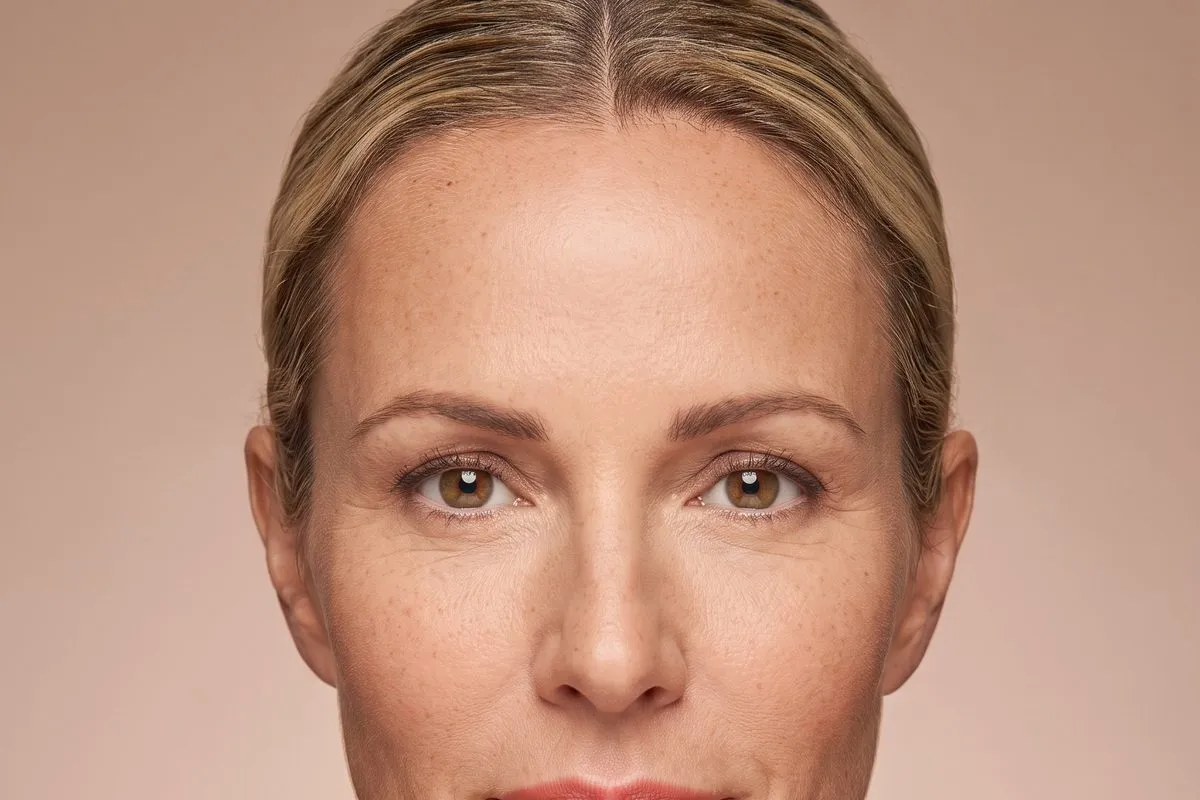
Rosacea is a chronic inflammatory skin condition, not a skin type. Many people manage it for years under the assumption that they have reactive or sensitive skin, without understanding what is driving the redness and why some days are significantly worse than others. Understanding the condition makes it considerably more manageable, even though there is no permanent cure.
This article explains what rosacea is, how it presents, what triggers it, and how it is approached at The London Road Clinic.
What rosacea is
Rosacea primarily affects the central face: the cheeks, nose, chin and forehead. It is characterised by redness that may be persistent or episodic, often worsening with heat, exercise, certain foods, alcohol or emotional stress. In some people it remains mild throughout life. In others it progresses if left unmanaged.
Dermatologists typically distinguish four subtypes, though many people present with features of more than one.
Erythematotelangiectatic rosacea is the most common subtype in aesthetic clinic patients. It presents as persistent central facial redness, visible capillaries and a tendency to flush easily. The skin often feels sensitive and reactive to products that other people tolerate without issue.
Papulopustular rosacea includes acne-like red bumps and pustules alongside the background redness. It is sometimes confused with acne but differs in several important ways: rosacea papules typically lack the comedones that characterise acne, they tend to occur across the central face rather than the jaw and hairline, and they are driven by inflammation rather than blocked follicles.
Phymatous rosacea involves a progressive thickening of the skin, most often affecting the nose (rhinophyma). It is more common in men and in more established, longer-standing cases.
Ocular rosacea affects the eyes, producing dryness, irritation, light sensitivity and a feeling of grittiness. It often accompanies other subtypes and warrants assessment by an ophthalmologist if present.
What drives it
Rosacea does not have a single identifiable cause. It is a condition of chronic vascular and neurogenic inflammation, with several factors contributing to the pattern of flaring and progression.
Vascular hyperreactivity. The surface blood vessels in rosacea-prone skin dilate more readily and remain dilated for longer than in unaffected skin. This is why heat, exercise and alcohol are such reliable triggers for most people with rosacea.
Skin barrier dysfunction. The skin barrier in rosacea is often compromised, meaning it is less effective at retaining moisture and more permeable to irritants and environmental triggers.
Immune dysregulation. The innate immune response in rosacea skin is dysregulated, producing elevated levels of certain inflammatory proteins that contribute to the redness, vessel dilation and papule formation.
Demodex mites. These microscopic mites are a normal part of facial skin flora, but their density is often higher in rosacea-affected skin.
Common triggers
Identifying and reducing personal triggers is the most controllable part of managing rosacea. Common triggers include:
- Heat: hot showers, steam, hot drinks, saunas
- UV exposure, including indirect and reflected sun
- Alcohol, particularly red wine
- Spicy food
- Emotional stress and anxiety
- Strenuous exercise
- Cold wind and temperature extremes
- Skincare ingredients including fragrance, high-concentration alcohol, undiluted essential oils, high-strength AHAs and certain preservatives
Keeping a simple log of when flares occur and what preceded them is one of the most useful things a rosacea patient can do.
Managing rosacea: the fundamentals
No treatment works if the fundamentals are absent. Before any clinic-based intervention makes sense, the following need to be in place.
Daily SPF. UV exposure is the single most consistent driver of rosacea worsening over time. A mineral-based SPF (zinc oxide or titanium dioxide) is generally better tolerated than chemical UV filters in rosacea-prone skin. SPF 30 minimum, applied every morning regardless of the season or whether you plan to spend time outdoors.
A simplified, barrier-focused skincare routine. The more irritated the skin barrier, the more reactive it becomes. A gentle cleanser, a barrier-supportive moisturiser and SPF is often more effective than a seven-step routine with active ingredients.
Trigger reduction. Not avoidance of everything enjoyable, but awareness of personal threshold and modification where it matters most.
When clinic-based treatment is worth considering
Once the fundamentals are in place, clinic-based treatment can meaningfully reduce persistent redness, visible vessels and the skin reactivity that makes daily management more difficult.
Lumecca IPL is the most evidence-supported in-clinic option for the vascular component of rosacea. The high-energy broadband light targets haemoglobin in superficial blood vessels, reducing their visibility and the overall background redness. It is most effective for erythematotelangiectatic rosacea. A course of two to three sessions is typically recommended. Lumecca is not used during active flares, and treatment is planned when skin is in a settled state.
LED light therapy (Dermalux) uses red and near-infrared wavelengths to deliver an anti-inflammatory signal to the skin. It can calm reactive skin, reduce the frequency and intensity of flaring and support recovery after IPL.
Observ skin analysis reveals the extent of vascular irregularity and subclinical inflammation that is not visible in normal light.
Prescription skincare. Topical metronidazole, azelaic acid and ivermectin cream are clinically effective treatments for papulopustular rosacea. These are prescription-only medicines outside the scope of aesthetic clinic prescribing at The London Road Clinic, and where they are indicated, we will say so and recommend appropriate GP or dermatologist input.
What to expect from treatment
Rosacea management is ongoing rather than conclusive. IPL can produce a significant reduction in visible redness and vessels that is long-lasting, but it does not switch off the condition. The skin remains rosacea-prone. Without SPF, trigger awareness and continued barrier care, the benefit erodes.
Frequently asked questions
Can rosacea be cured?
Is IPL safe for rosacea-prone skin?
Can I use retinol or vitamin C if I have rosacea?
Does diet make a difference to rosacea?
How many IPL sessions will I need for rosacea?
Should I see a dermatologist or an aesthetic clinic for rosacea?
Rosacea is managed rather than cured, and treatment has to work alongside trigger control. A consultation sets out both halves and what each realistically achieves.
Treatments that may help
Related advice

Sensitive Skin and the Skin Barrier: Causes and Treatment
A clinical guide to sensitive skin: what it is, how to distinguish a compromised barrier from true skin sensitivity, and what consistently helps. Written by Lydia Griffin, Clinic Director at The London Road Clinic, Newark.
21 May 2026
Patient Guide: Dermalux LED Therapy for Skin Recovery, Acne and Rejuvenation
How Dermalux LED photobiomodulation works, what each wavelength does, and where it fits as a standalone treatment or alongside Fractora, microneedling and chemical peels.
22 May 2026
Patient Guide: Lumecca IPL for Pigmentation, Redness and Sun Damage
A consultation-led guide to Lumecca IPL: what it treats, how we assess suitability, what to expect from a course, and the limits of what light-based treatment can do.
22 May 2026