Skin concern

Dehydration & Dullness

Dehydrated skin lacks water in the epidermal layer. Dullness often reflects reduced cell turnover and a compromised barrier. Both respond to clinical hydration and resurfacing that retail products cannot match.
Understanding the cause

What's happening in your skin

01

Dehydration is a condition, not type

Oily skin can be dehydrated. Drinking more water and applying richer moisturiser addresses neither the barrier deficit nor the depleted dermal reserve.

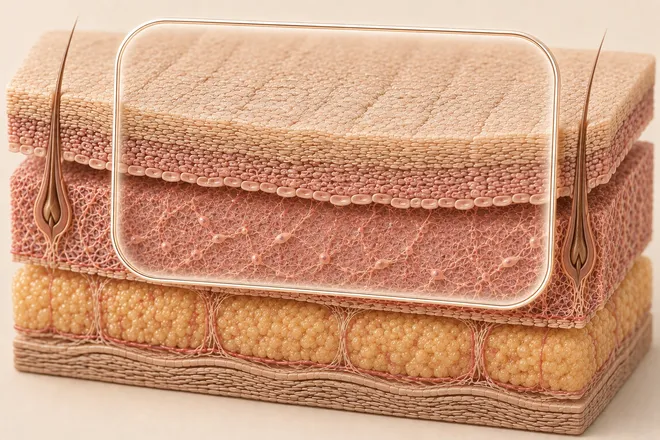
Any skin type can become dehydrated when the epidermis loses water faster than it retains it, typically from a compromised barrier or depleted dermal reserves. The result is tight, dull skin that shows surface texture more prominently. Richer moisturiser does not reach the deeper problem.

02

Dullness has a different cause

Dullness is a build-up of dead corneocytes slowing light reflection. It is separate from dehydration and needs a different fix.

Dullness reflects accumulated dead cells on the skin's surface, compounded by the natural slowing of cell turnover with age. A hydrated skin and a bright skin require different interventions. Treating one without addressing the other rarely delivers the result people expect.

03

What clinical treatment achieves

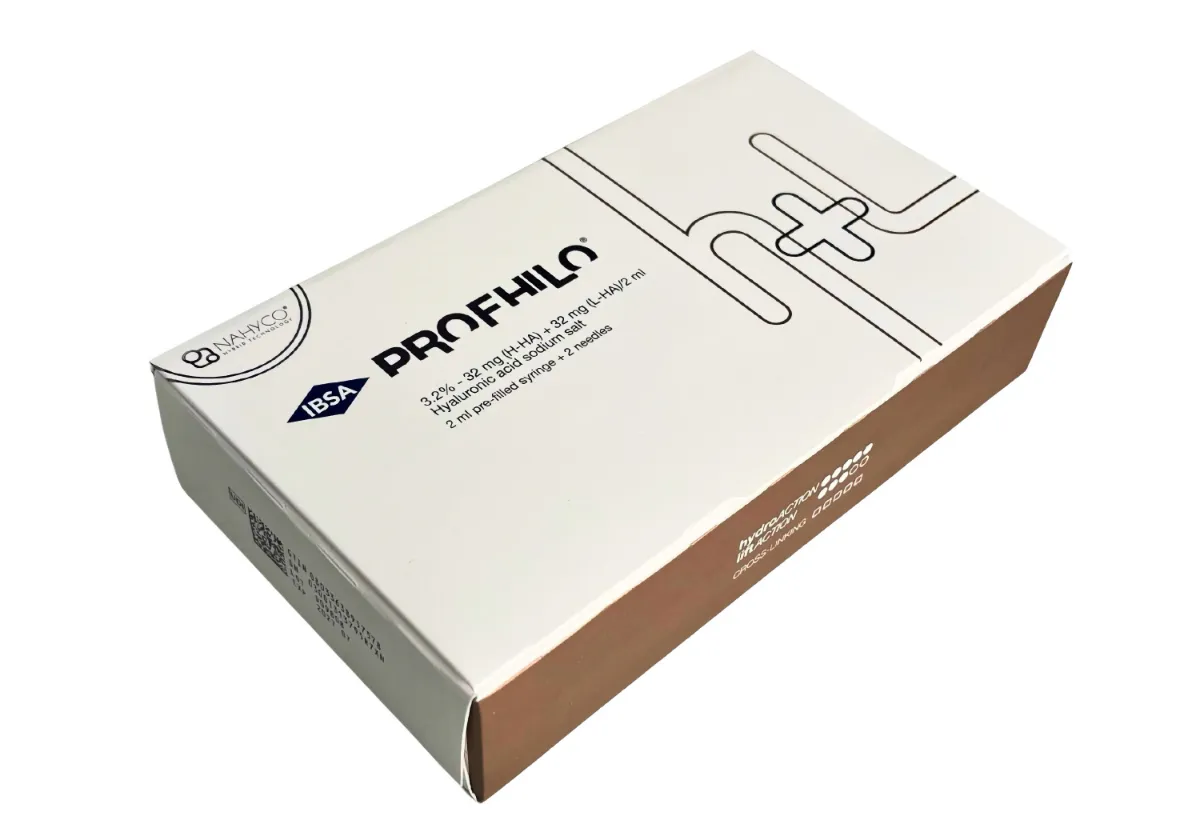
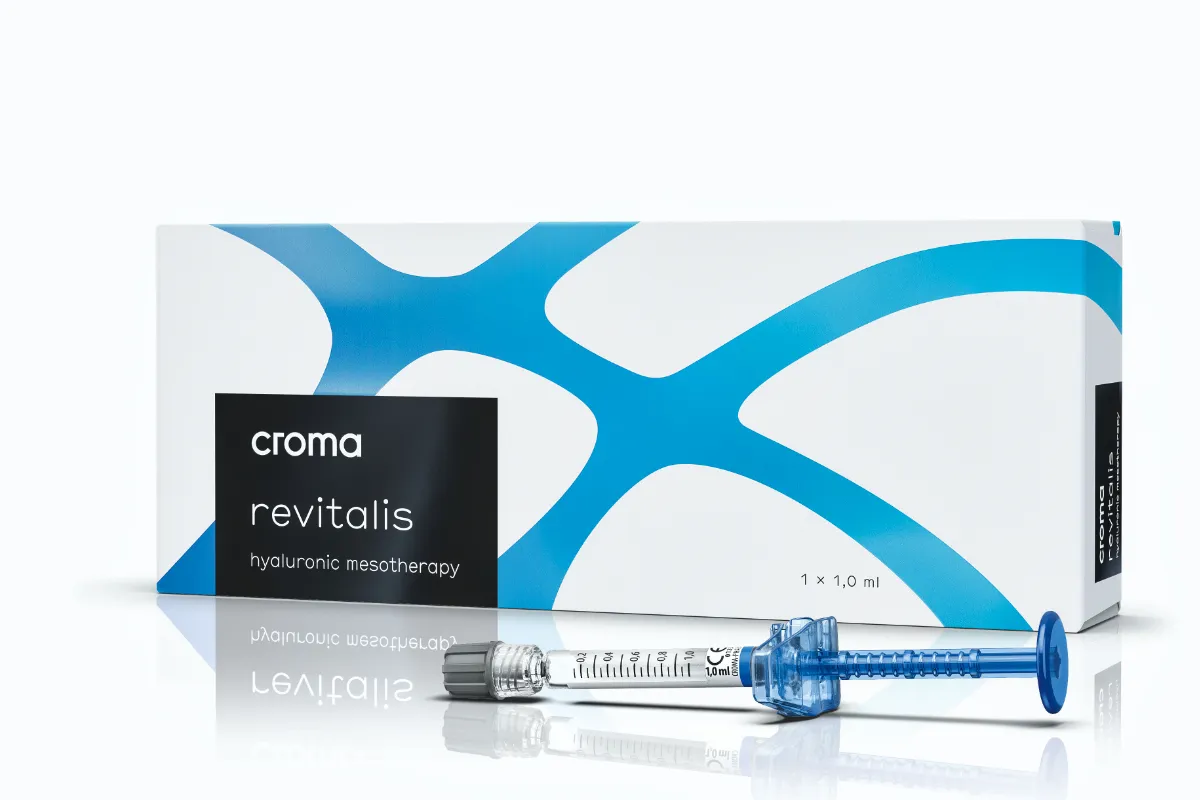
Hyaluronic acid placed in the dermis holds up to 1,000 times its weight in water, creating a reserve that lasts months, not hours.

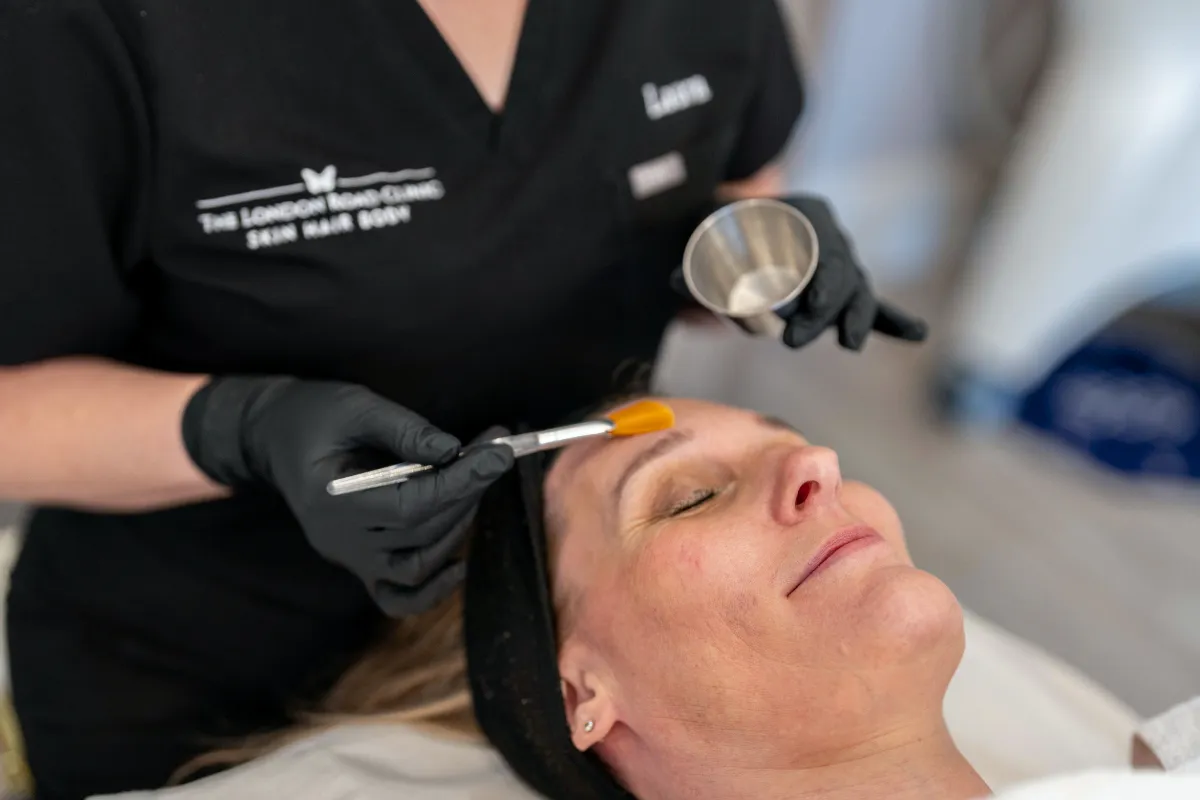
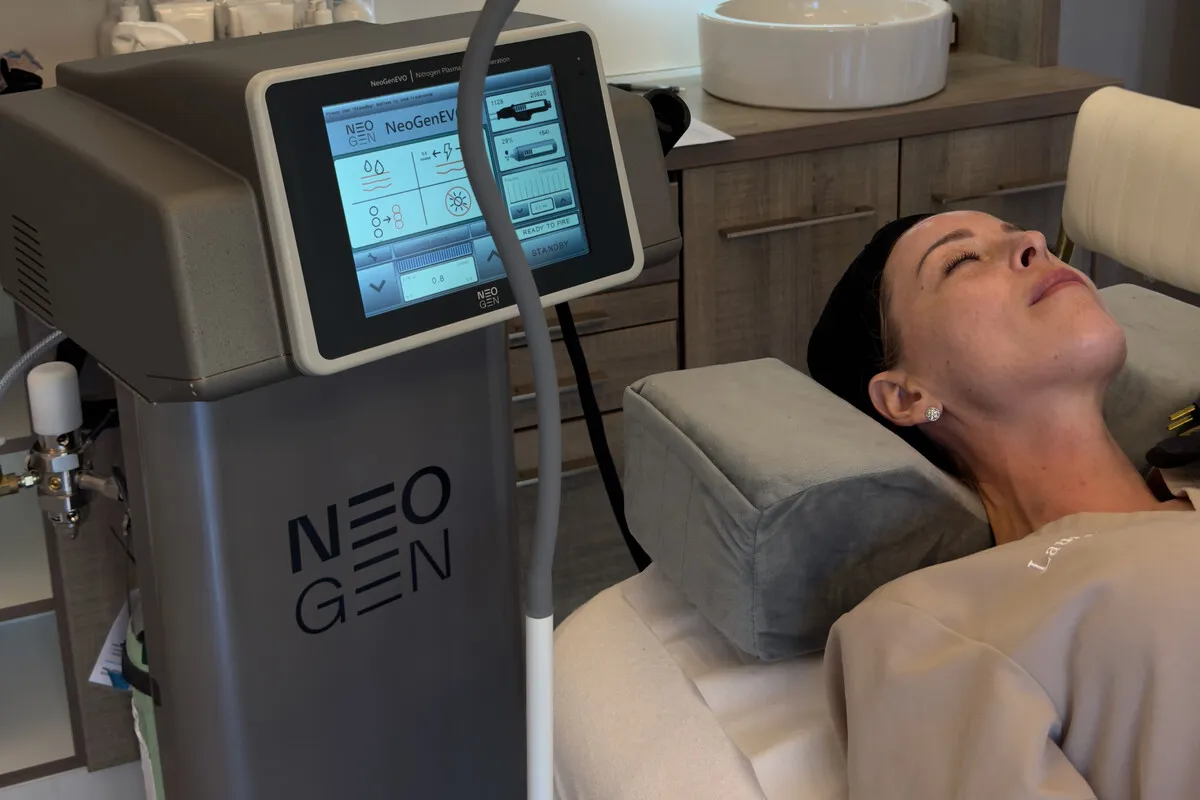
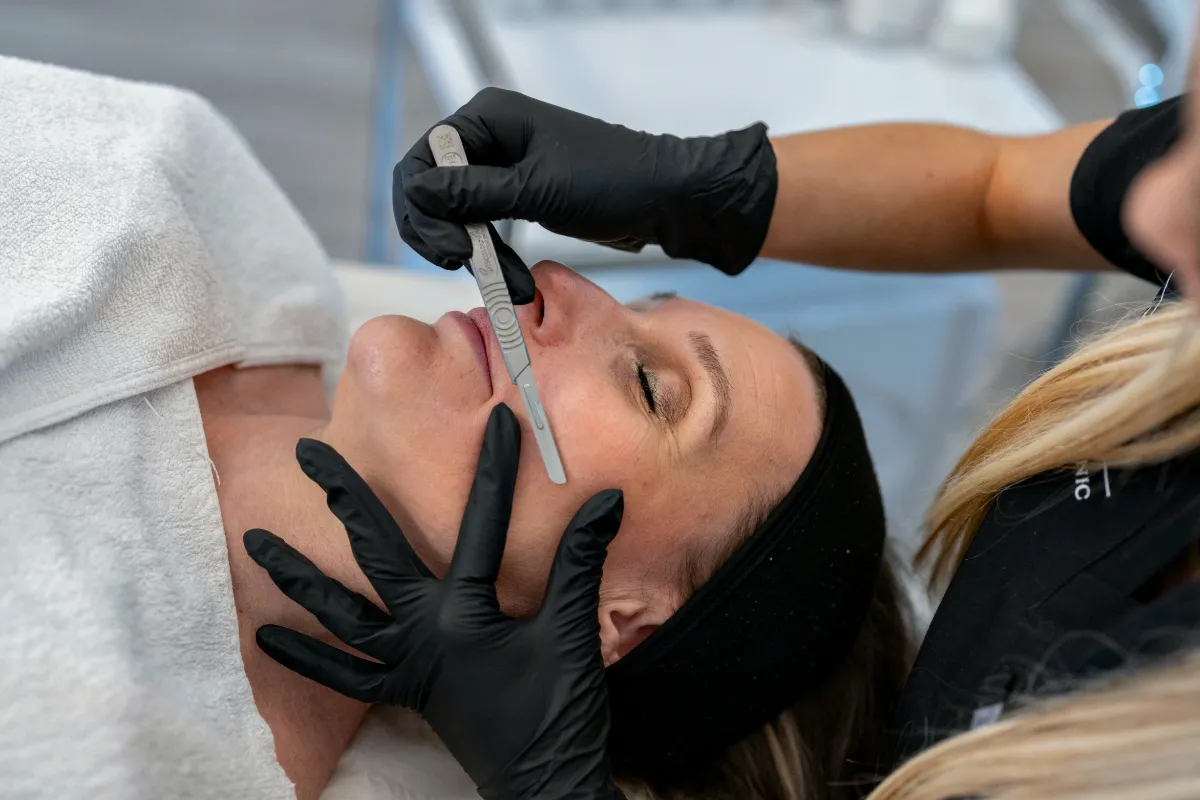
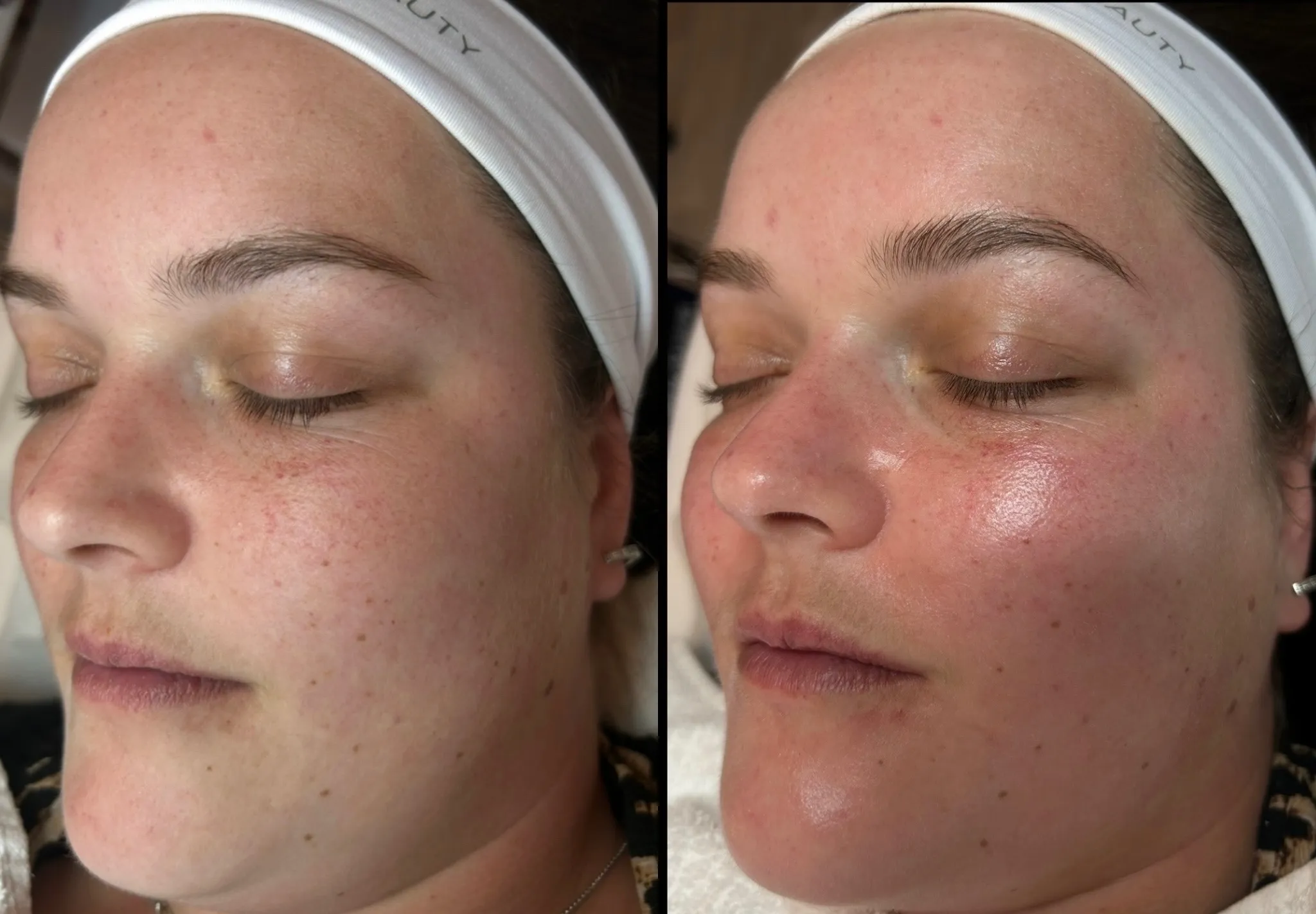
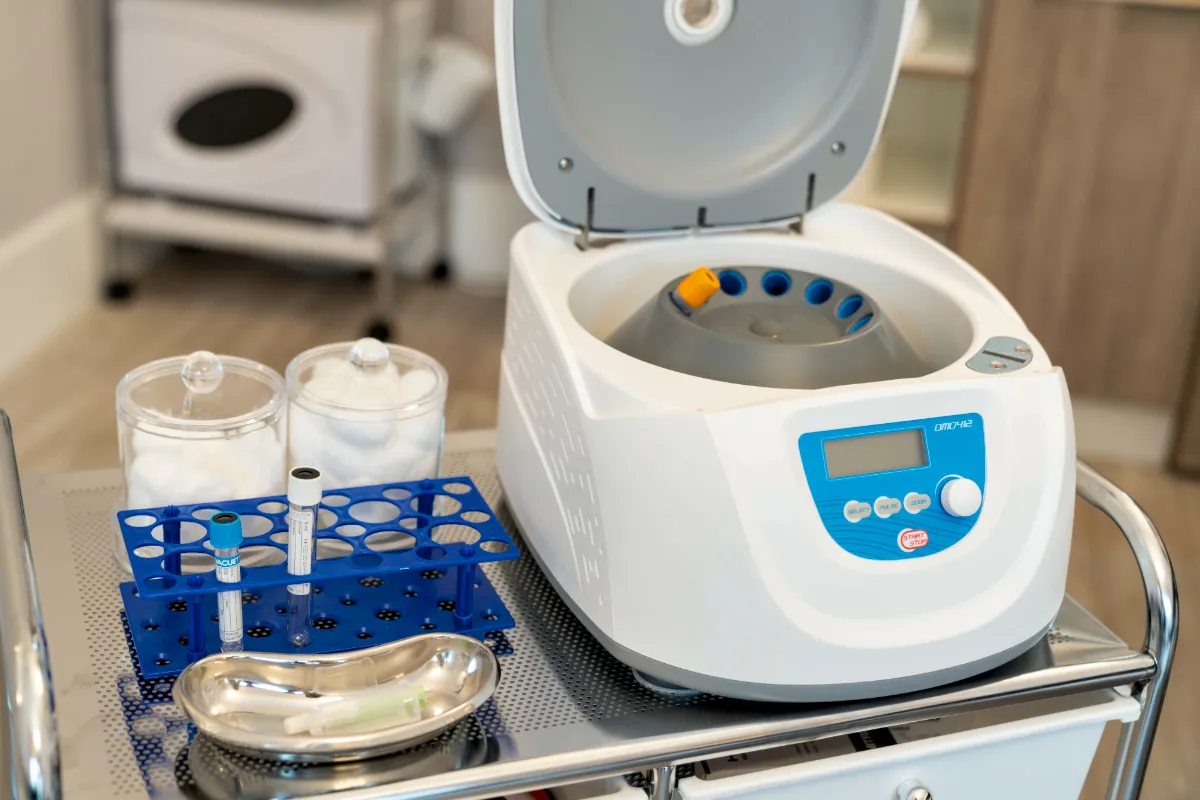
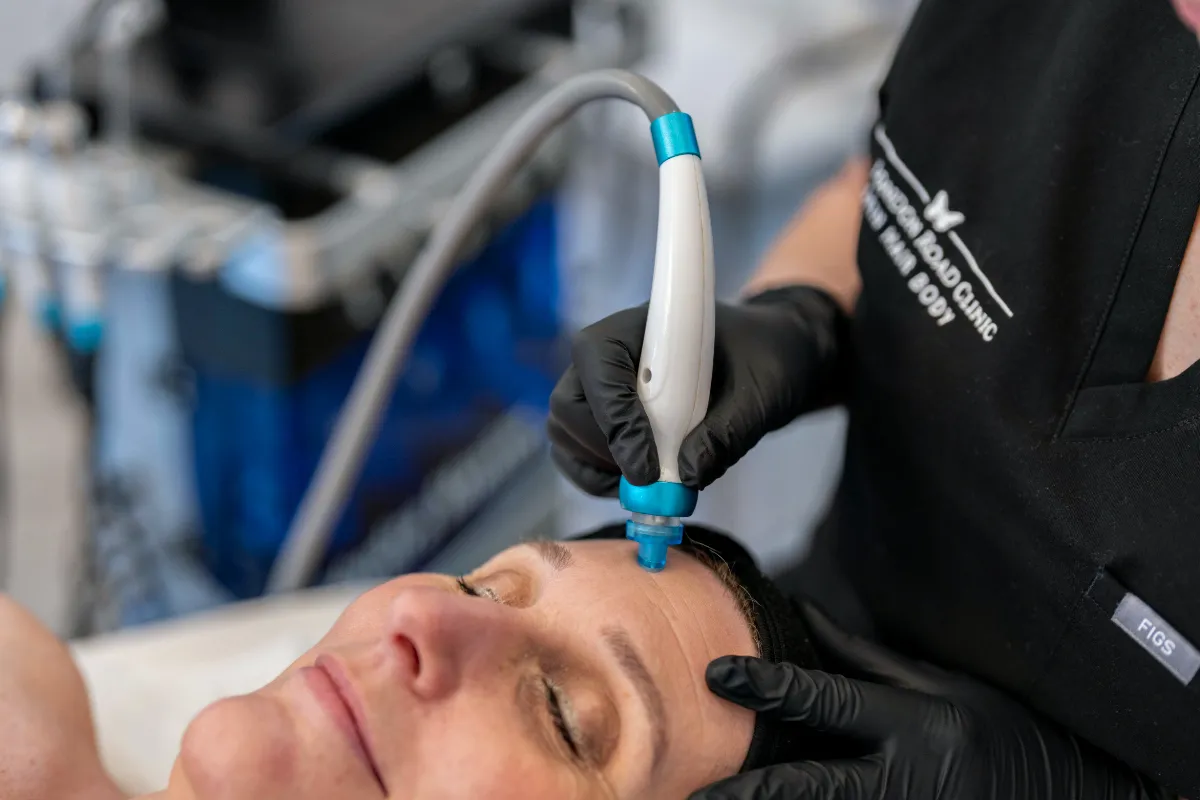
Injectable skin boosters replenish the dermal water reservoir from inside, not the surface. HydroFacial combines deep-pore cleansing, exfoliation and serum infusion in one session. Chemical peels and dermaplaning accelerate cell turnover to clear surface accumulation. The combined result is a shift in clarity and luminosity that retail products cannot match.
Recommended treatments

What we use for dehydration & dullness

Clinical perspective

Dehydration is probably the most overlooked skin concern in aesthetics because people assume it just means drinking more water or buying a richer moisturiser. In reality, chronically dehydrated skin often has a compromised barrier and a depleted dermal water reserve that topical products cannot reach. A single course of skin boosters alongside the right resurfacing treatment makes a visible difference that clients notice immediately. It tends to be one of the most rewarding concerns to treat.

Deeper than moisturiser reaches Dermal reserve replenished Visible results, quickly
Lydia Griffin, Clinic Director, The London Road Clinic

In their own words

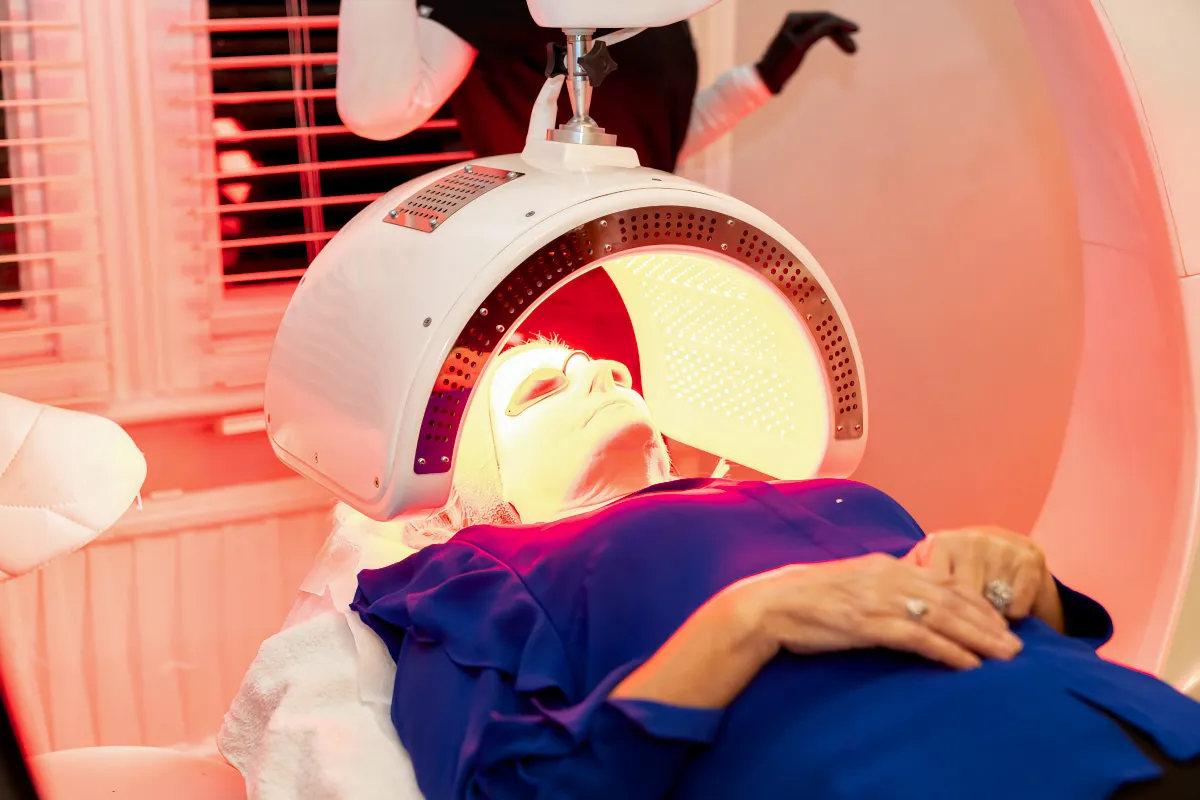
I have just had the dermalux red light therapy treatment with the amazing Jazmine, thank you so much my skin is now feeling fresh with a super glow.
Emma · with Jaz · Aug 2025

Verified Fresha review. Displayed as submitted. Read all 1,400+ reviews →

Common questions

Frequently asked about dehydration & dullness

What is the difference between dry skin and dehydrated skin?
Dry skin is a skin type, a genetic tendency to produce less sebum, which affects how the barrier retains moisture long-term. Dehydrated skin is a transient condition, any skin type, including oily skin, can become dehydrated. The distinction matters because the treatment approach differs: dry skin needs barrier support and lipid-rich products; dehydrated skin needs humectant hydration and barrier repair.
Can an injectable skin booster really improve hydration?
Yes. Injectable hyaluronic acid skin boosters work at the dermal level, replenishing the skin's own water-binding capacity from below the surface. HA molecules hold up to 1,000 times their weight in water, and when placed in the dermis, they create a reservoir that the skin draws from over months. This is fundamentally different from applying HA in a serum, which hydrates only the skin's surface.
How many HydroFacial sessions will I need?
Many clients see a visible improvement in skin clarity and hydration after a single session. For sustained improvement in skin quality, a course of three to six sessions every four to six weeks is recommended, with monthly maintenance thereafter. HydroFacial is safe to use regularly and is suitable for most skin types.
Is dermaplaning suitable for sensitive skin?
Dermaplaning is a gentle physical exfoliation that removes dead skin cells and vellus hair from the surface using a surgical blade. It is well-tolerated by most skin types including sensitive skin, as it does not involve chemicals or heat. It is not recommended for active acne breakouts or very reactive rosacea. Your clinician will advise at consultation.
Why does my skin look dull even though I use a Vitamin C serum?
Vitamin C serums work by inhibiting melanin production and providing antioxidant protection, they do not accelerate cell turnover or address the accumulation of dead surface cells that causes dullness. Clinical exfoliation through HydroFacial, dermaplaning or chemical peels removes that build-up directly and produces a brighter result that antioxidant serums cannot replicate.

Ready to take the next step?

Book a consultation

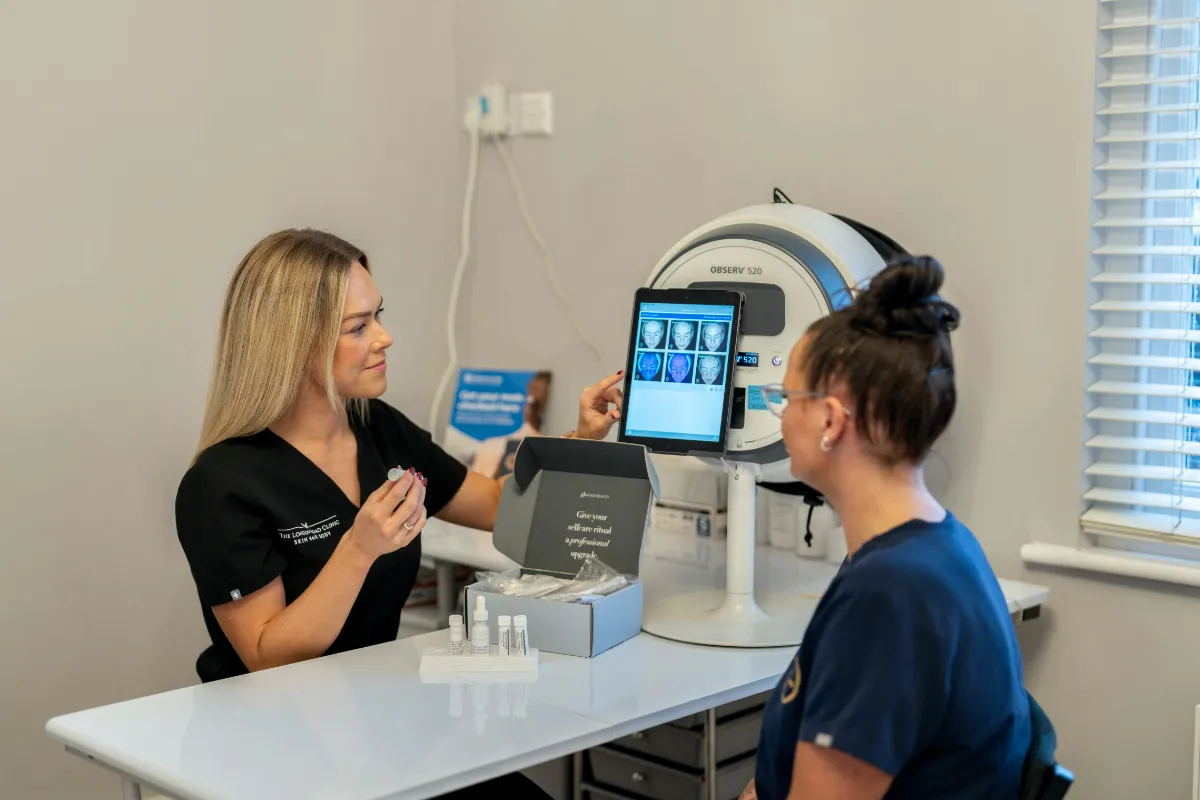
Your clinician will assess your skin, review your history and design a treatment plan matched to your specific presentation, not a generic protocol.

Medically reviewed by Dr Shahe Boghossian, Medical Consultant, GMC 5204600 . Last reviewed 21 May 2026.

Registered with & recognised by

Book a consultation WhatsApp