Hair
Laser Hair Removal (Cynosure)
- Duration
- 45 mins
- Downtime
- Little to none. Temporary redness or small bumps can occur and usually settle quickly.
From £75
Hair concern
Waxing and laser hair removal both remove unwanted hair, but they work at different levels and they are not equivalent long-term options. Laser disables the follicle. Waxing removes the hair and leaves the follicle intact to regrow.
Understanding the cause
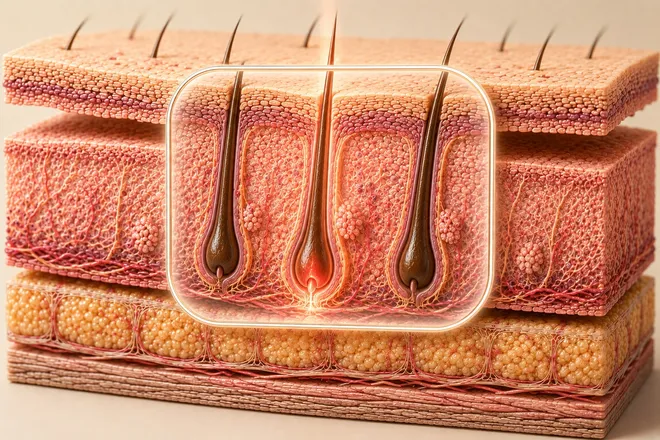
Waxing pulls hair from the root but the follicle survives, replenishes its blood supply and produces a new hair within weeks. Laser uses targeted heat to permanently disable hair-producing cells at the follicle level.
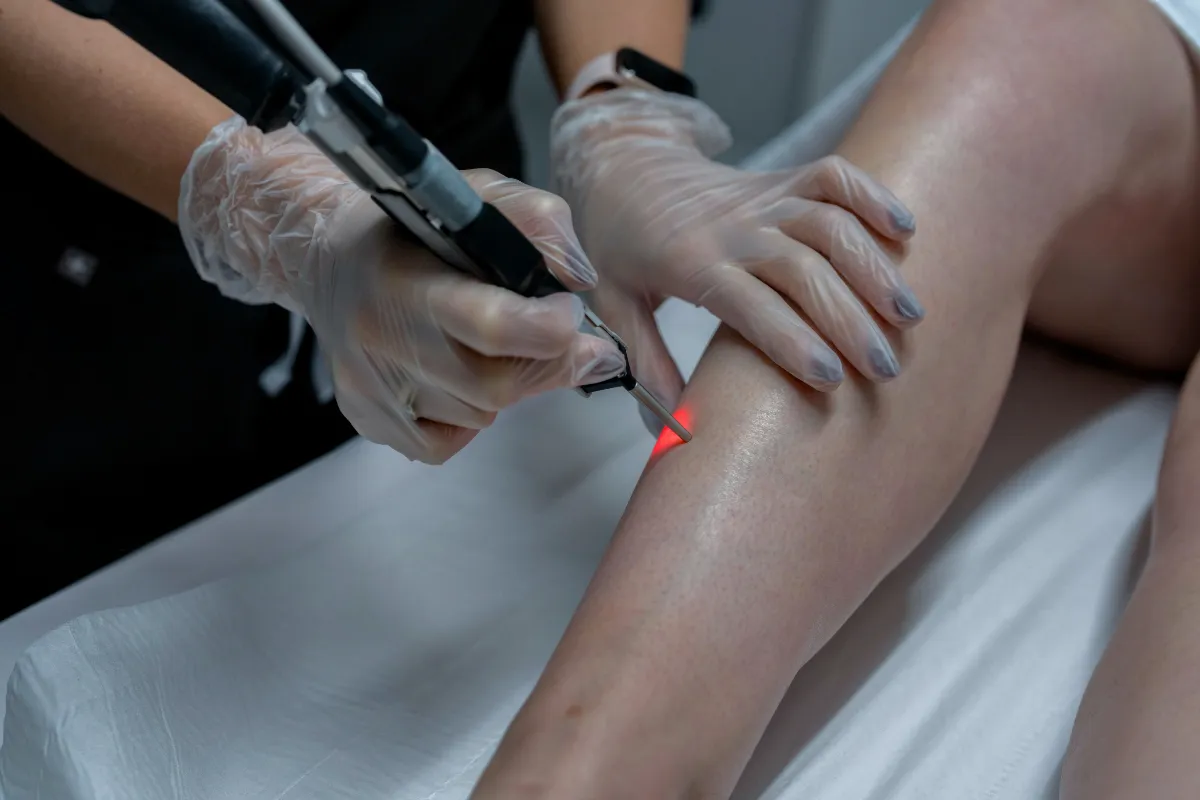
When you wax, hair is removed at the root but the follicle survives. It replenishes and produces a new hair within four to six weeks. The cycle continues indefinitely. Laser works at a different level. Cynosure Elite+ delivers targeted light energy absorbed by the pigment in the hair follicle, converting to heat that permanently disables the hair-producing cells through selective photothermolysis. Because hair cycles through active and resting phases, a course of sessions is needed to catch each follicle in active growth. Once treated, those follicles do not return to active production.
Regular waxing on legs, underarms and bikini line over three to five years typically costs more in total than a full laser course covering the same areas.
A single waxing appointment is less expensive than a laser session. The comparison changes when viewed across time. Waxing requires a fresh appointment every four to six weeks, indefinitely. A laser course of six to eight sessions typically achieves long-term reduction that removes or substantially reduces the need for ongoing appointments. Most clients find that the cumulative cost of waxing across two to three years already exceeds the cost of a laser course that delivers years of smooth skin. Waxing is a recurring expense. Laser is a fixed course with lasting return.
Waxing removes the pigment from the hair bulb, leaving the laser with nothing to target. Anyone undertaking a laser course must shave, not wax, throughout.
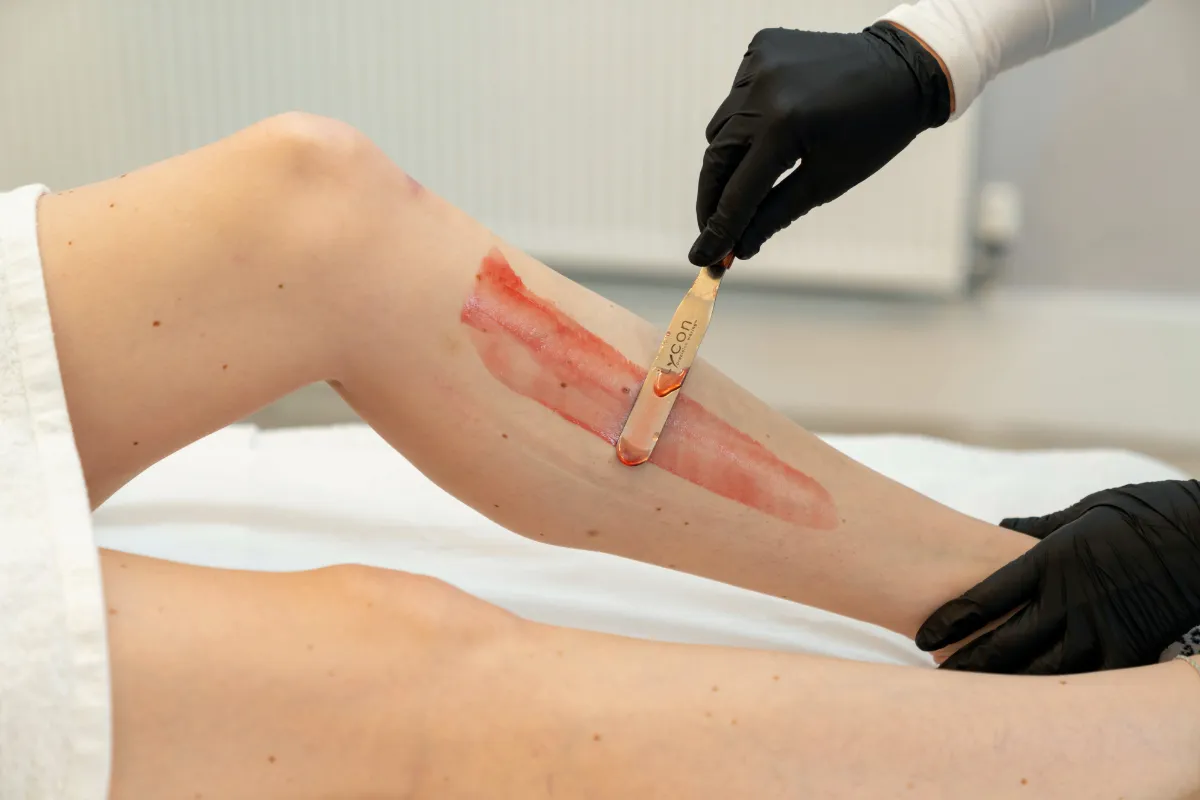
Laser hair removal targets melanin in the follicle. Waxing physically removes the hair shaft and its pigment from the bulb, so there is nothing for the laser to target in that follicle. The two cannot be used interchangeably during an active laser course. Shaving is the appropriate method for managing regrowth between sessions throughout the course. Waxing remains available for clients who prefer it as a standalone treatment or who are not candidates for laser at a given time.
Recommended treatments
Clinical perspective
When someone comes in asking about hair removal, I always want to have an honest conversation about what they are actually looking for. Waxing works and we do offer it, but it is a commitment you make every few weeks for as long as you want smooth skin. Laser is a different proposition entirely. You invest in a course, and then for most areas you are largely done. Most of the clients who complete a laser course tell me they wish they had done it years earlier.
Laser disables the follicle Waxing never ends Course cost vs forever cost
In their own words
I had been shaving my legs every other day since I was a teenager. After a full course I barely think about it. The difference is remarkable.
Verified Fresha review. Displayed as submitted. Read all 1,400+ reviews →
Common questions
Ready to take the next step?
Your clinician will assess your skin, review your history and design a treatment plan matched to your specific presentation, not a generic protocol.
Medically reviewed by Dr Shahe Boghossian, Medical Consultant, GMC 5204600 . Last reviewed 21 May 2026.
Registered with & recognised by