Hair treatment
Cynosure Laser Hair Removal in Newark
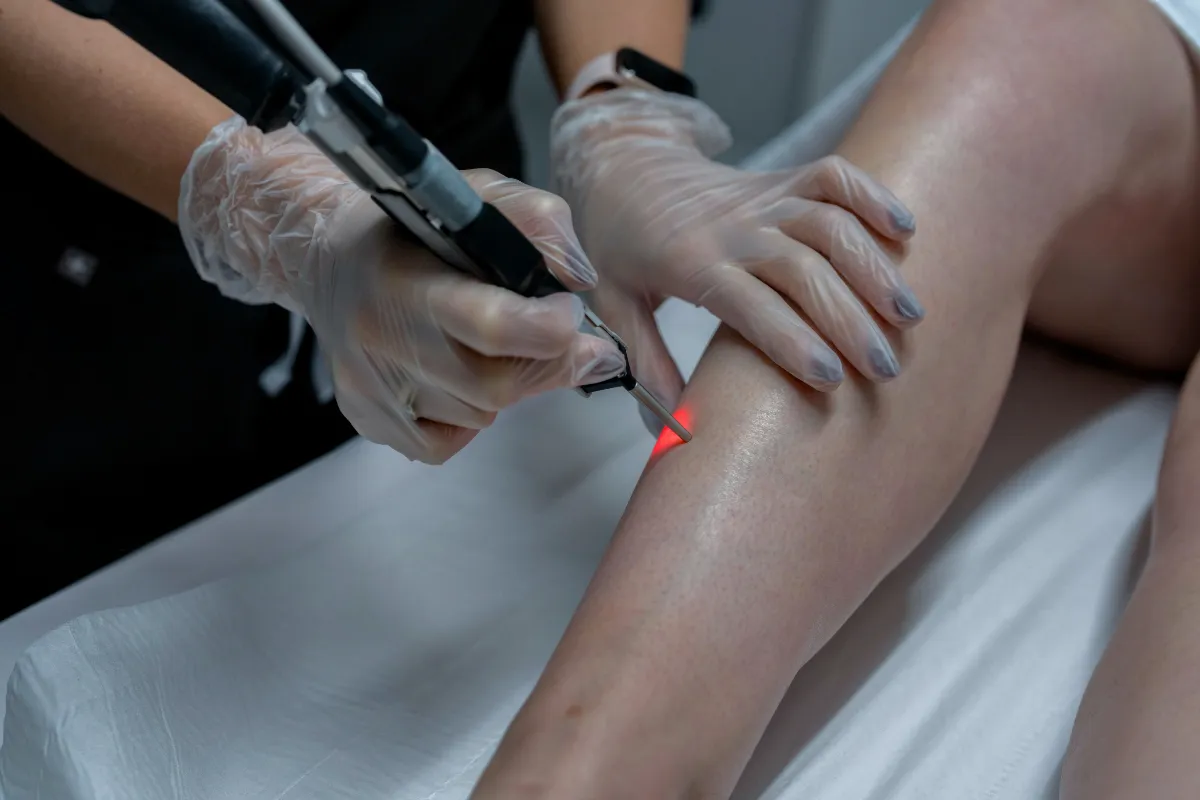
A consultation-led laser hair removal treatment for smoother skin and progressive long-term reduction across the face and body, using Cynosure Elite+ technology.
- Price
- From £65 per session for an extra small area. Price depends on the area treated, see prices by area below
- Price
- From £65 per session for an extra small area. Price depends on the area treated, see prices by area below
- Duration
- 45 mins
- Downtime
- Little to none. Temporary redness or small bumps can occur and usually settle quickly.
- Results
- Hair reduction builds gradually across the course as follicles are treated in active growth phases
- Longevity
- Long-lasting reduction is expected, with occasional maintenance depending on area and hormones
What your treatment costs
Prices by treatment area
The area treated sets the price. Your clinician confirms which applies to you at consultation, before anything is booked or paid for.
Courses are priced the same way at every area size. A course of six costs the same as five single sessions, so the sixth is included. A maintenance course of three costs the same as two.
Extra small
15 mins
Upper lip, Chin, Nipples, Stomach line, Cheek bones, Eyebrows, Fingers and toes
- Single session
- £65
- Course of six
- £325
- Maintenance, three sessions after a full course of six
- £130
Small
25 mins
Lip and chin, Sideburns, Jawline, Underarms, Front of neck, Back of neck, Small bikini or Brazilian bikini
- Single session
- £85
- Course of six
- £425
- Maintenance, three sessions after a full course of six
- £170
Medium
30 mins
Hollywood or Playboy bikini, Half leg, Half arm, Shoulders, Lower abdomen, Buttocks, Lower back, Full face, Upper chest
- Single session
- £115
- Course of six
- £575
- Maintenance, three sessions after a full course of six
- £230
Large
45 mins
Full arms, Full legs, Back, Chest and abdomen
- Single session
- £150
- Course of six
- £750
- Maintenance, three sessions after a full course of six
- £300
The treatment
Laser Hair Removal (Cynosure): how it works
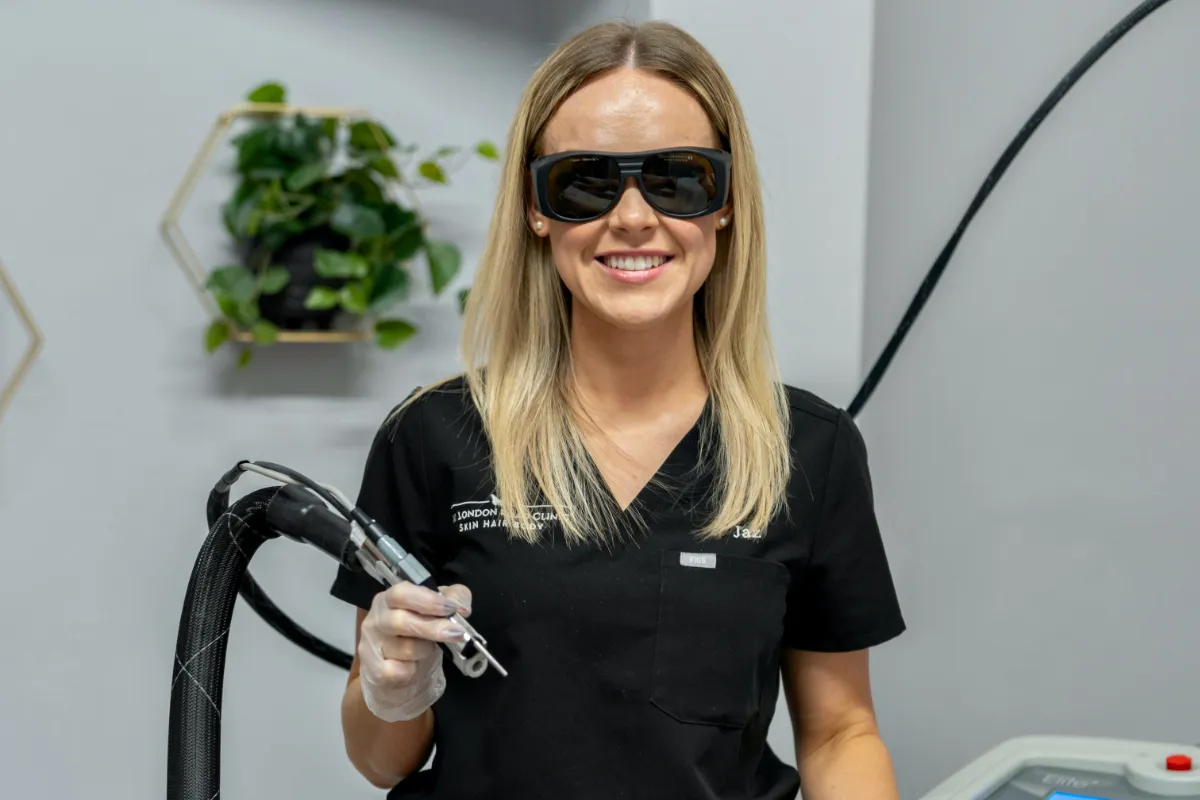
The clinic uses Cynosure Elite+, which combines Alexandrite 755nm and Nd:YAG 1064nm wavelengths to target hair follicles with precision through selective photothermolysis. This dual-wavelength approach allows treatment across a broad range of skin tones and body areas while aiming to protect the surrounding skin. Because laser can only affect follicles in their active growth phase, a course of sessions is needed rather than a single visit.
What patients notice
What to expect
- Long-lasting hair reduction on face and body
- Dual-wavelength platform for broader skin-tone suitability
- Efficient treatment sessions
- Can help reduce shaving burden and ingrowns
- Minimal downtime
Before you book
Is this treatment right for you?
Suitable for
- Most adults bothered by unwanted hair on the face or body who want longer-lasting reduction than shaving or waxing can provide.
Not suitable for
- Not appropriate with recent sun exposure or active tanning, photosensitising medications or during pregnancy. Hair type, skin tone and health history all affect suitability and are reviewed at consultation.
In their own words
I'm just over halfway through my laser hair removal treatments and couldn't be more delighted with the results so far. Highly recommend.
Verified Fresha review. Displayed as submitted. Read all 1,500+ reviews →
After your appointment
Aftercare
Use SPF, avoid heat and vigorous exercise for around 24 to 48 hours and follow the clinic’s advice on shaving between sessions rather than waxing or plucking.
From the clinic shop
What we would send you home with
Your aftercare asks for SPF, and for no heat or hard exercise for a day or two. The first two apply wherever you are treated. The last two are for facial areas such as the lip and chin, where you may want to cover redness the same day.
-
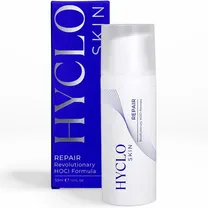
Skincare
Hyclo Skin Repair Gel - 50ml
Stabilised hypochlorous acid in a gel rather than a spray, so it stays where it is put. Formulated to calm treated skin and settle visible redness, and it suits larger areas such as legs and underarms.
£36.00 Buy now -
Skincare
Oil Free SPF 40+ 50 ml
Treated skin burns more easily, and a tan changes what settings are safe at your next session. Broad-spectrum 40+ on any exposed area.
£52.00 Buy now -
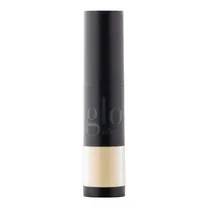
Beauty
Redness Relief Powder
For facial areas. A green-toned mineral powder that takes the colour out of post-session redness on the lip or chin.
£37.00 Buy now -
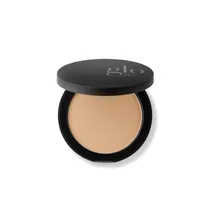
Beauty
Pressed Base Powder
For facial areas. Mineral powder that lets treated skin breathe, rather than a liquid base sealing it.
£54.00 Choose your shade
Prices are shown as they stand on our retail store and are confirmed at checkout. Product choice is a suggestion, not part of your treatment plan: your clinician's aftercare advice above comes first.
Why it takes six or eight
Hair only responds while the follicle is growing, and only a share of it is growing at any one time. That single fact explains why it takes six or eight sessions, and why anyone promising it in two is selling you something. Between appointments you shave, you do not wax or pluck, because pulling the follicle out removes the thing the laser is aiming at. The people who understand that finish the course.
Lydia Griffin, Clinic Director
Where our laser patients travel from
The clinic is at 65 London Road, Newark-on-Trent, NG24 1RZ, with free parking at the front.
A course runs to six or eight sessions and sometimes more, because a follicle can only be treated while it is in active growth and not all of your hair is growing at once. That makes laser one of the longer commitments here. Worth thinking about the drive before you start rather than four sessions in.
We treat patients from Balderton, Farndon, Collingham, Southwell, Bingham and Ollerton across Nottinghamshire, and from Lincoln, Grantham and Sleaford over the Lincolnshire border. An extra small area takes around fifteen minutes, so a lunchtime appointment is realistic if you work locally. Larger areas need longer, and the prices by area above tell you which is which.
If you are travelling in from further out, say so when you book. Sessions are timed to your hair cycle rather than to the calendar, so there is usually room to move an appointment to suit the drive.
Worth reading before your first session: what to ask about a laser clinic’s licence. Also useful are the patient guide to the Cynosure Elite+, how laser compares with IPL and ingrown hairs and folliculitis. Background on the concern itself: unwanted hair.
A course means several visits to the clinic. If you live near Lincoln or Grantham, the page for your town shows how far it is and how to get here.
Regulatory position
Licensed premises
These premises hold a Massage and Special Treatment licence covering laser and intense pulsed light, issued under Part IV of the Nottinghamshire County Council Act 1985 and granted after an inspection. Most of England operates no such scheme, so a clinic elsewhere can run a Class 4 laser without any licence at all.
Holding it requires an external Laser Protection Adviser, a named Laser Protection Supervisor, written Local Rules ratified independently, wavelength-rated eyewear worn in the treatment room, a bound record of every use, and every practitioner licensed individually as a named Authorised User. It renews annually. The licence and its conditions are available to view at the clinic.
A licence covers premises and safety, not clinical outcome. What it requires, and the questions worth asking any clinic.
Common questions
Frequently asked about Laser Hair Removal (Cynosure)
How much does laser hair removal cost in Newark?
Who carries out laser hair removal at the clinic?
What does laser hair removal treat?
How does the Cynosure Elite+ laser work?
Can laser hair removal treat darker skin?
Does laser hair removal work on blonde, grey or red hair?
How many laser hair removal sessions will I need?
Is there any downtime after laser hair removal?
What should I avoid before laser hair removal?
Can I wax or pluck between laser sessions?
When will I see results from laser hair removal?
Sources (3)
- Efficacy of lasers and light sources in long-term hair reduction: a systematic review. Journal of Cosmetic and Laser Therapy, 2022. PubMed 35634805
- Efficacy of Laser in Hair Removal: A Network Meta-analysis. Journal of Cosmetic and Laser Therapy, 2023. PubMed 37493187
- Efficacy and safety of ND:YAG 1064 nm lasers for photoepilation: a systematic review. Lasers in Medical Science, 2020. PubMed 31919681