Skin concern

Rosacea & Redness

Persistent facial redness, broken capillaries and flushing are vascular and inflammatory in origin. They respond to targeted clinical treatment, not standard skincare.
Understanding the cause

What's happening in your skin

01

This is not a sensitivity problem

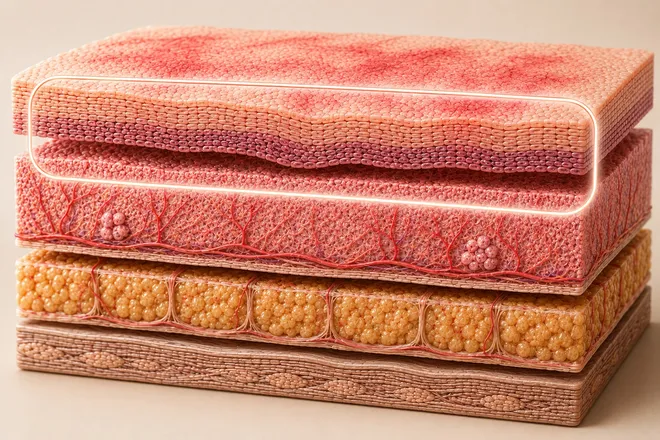
Rosacea arises from dysregulated blood vessel response and inflammatory signalling in the vessel wall. Gentle skincare and trigger avoidance manage symptoms. They do not reverse the structural changes already present.

Rosacea is a chronic inflammatory condition with both vascular and immune components. The persistent central facial redness, visible capillaries and diffuse flushing are not caused by excess sebum or a reactive skin type. They arise from processes that sit below the skin surface and cannot be managed with gentle skincare alone. Avoiding triggers reduces flare frequency, but it does not address structural changes already present in the vessel walls.

02

What happens in the vessel wall

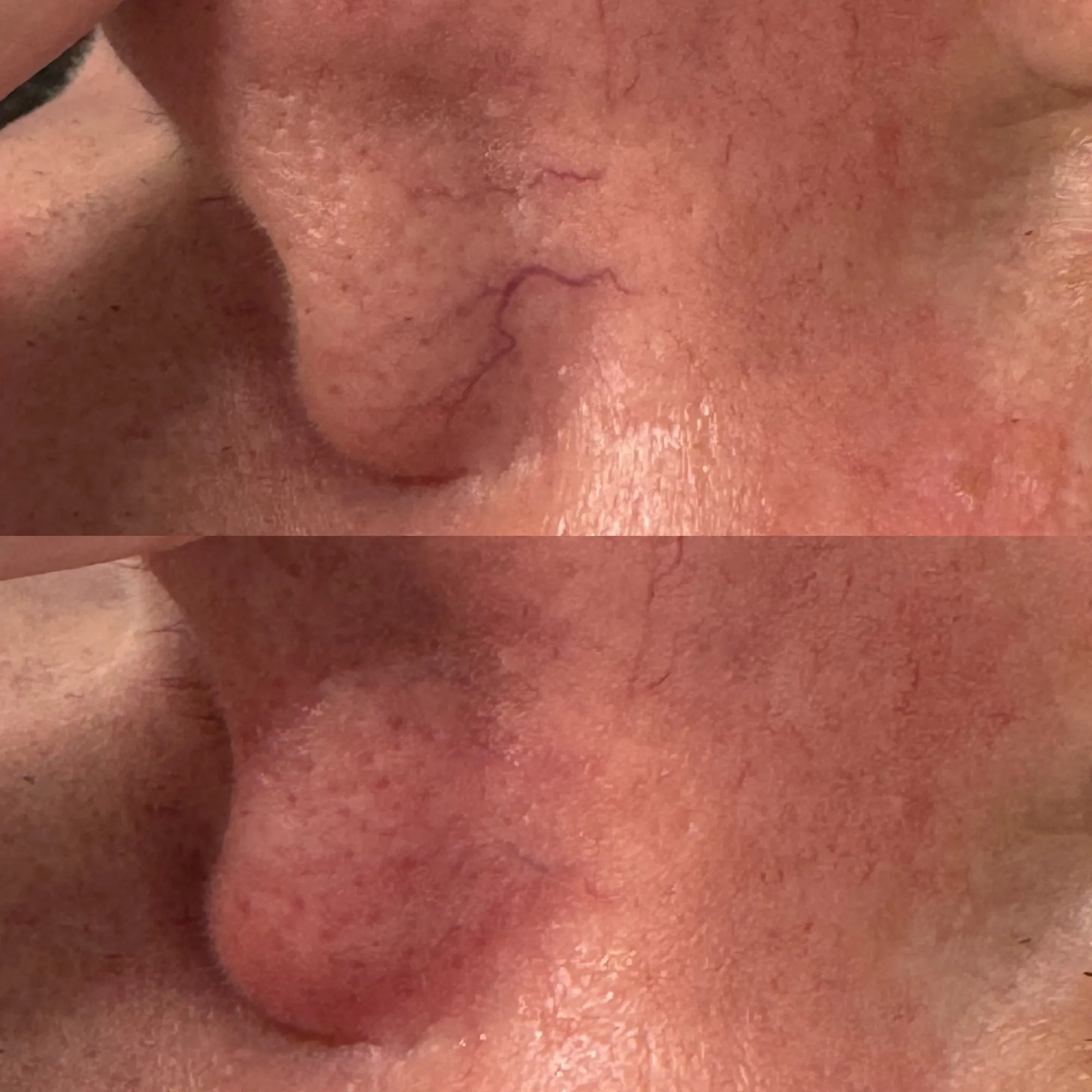
In rosacea, repeated cycles of rapid dilation cause capillaries to lose elasticity and remain permanently visible at the skin surface. This is a structural change, not a temporary flush.

Common rosacea triggers, UV exposure, heat, alcohol and stress, cause blood vessels to dilate rapidly. In healthy skin, dilation is temporary. In rosacea, repeated cycles cause capillaries to lose elasticity over time, remaining visibly dilated as the telangiectasia most people associate with the condition. The inflammatory component drives the papular and pustular presentation seen in some subtypes.

03

Treat the subtype, not the colour

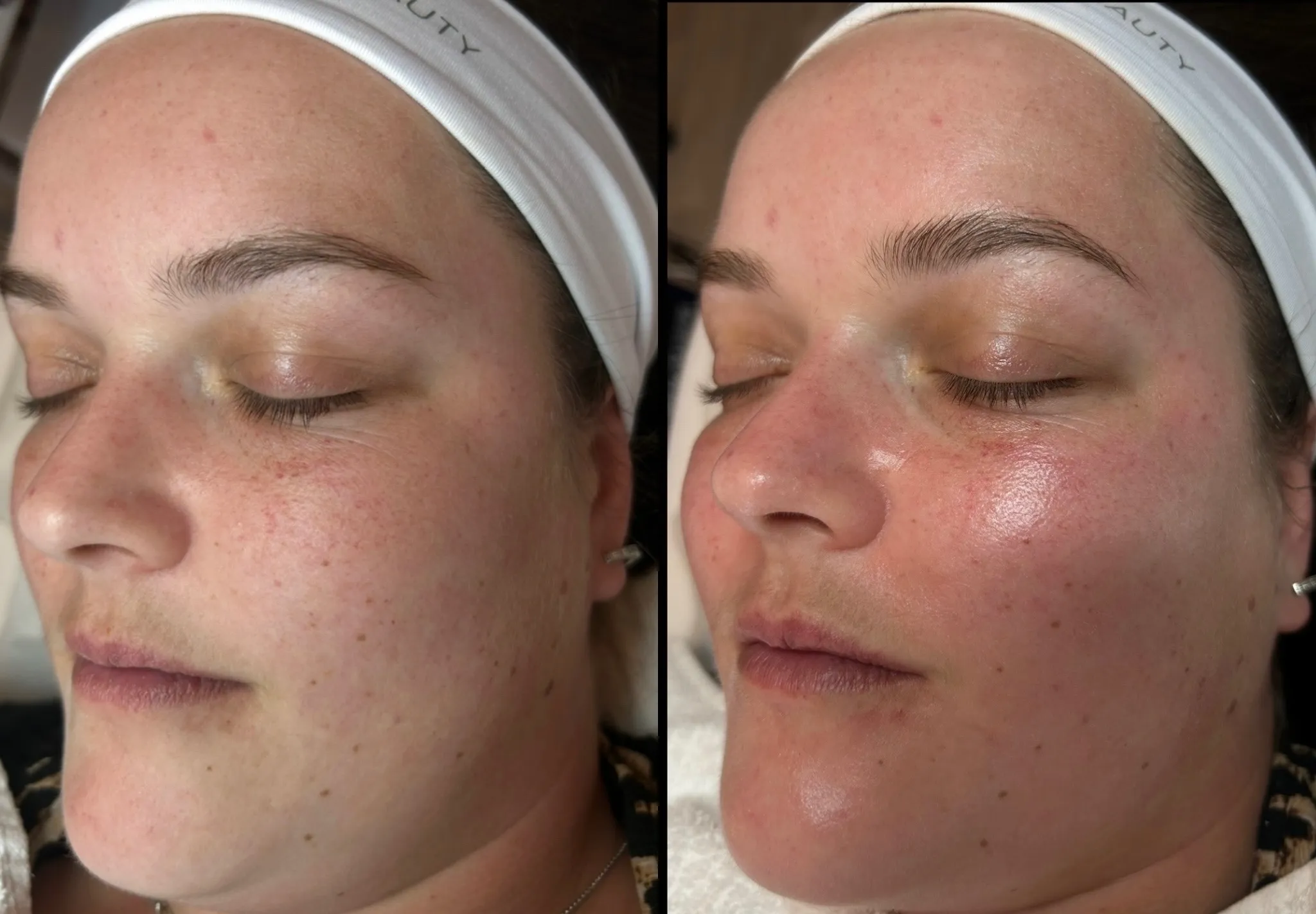
IPL and vascular laser target haemoglobin selectively, closing dilated capillaries without damaging surrounding tissue. Visible redness diminishes as the compromised vessels are cleared.

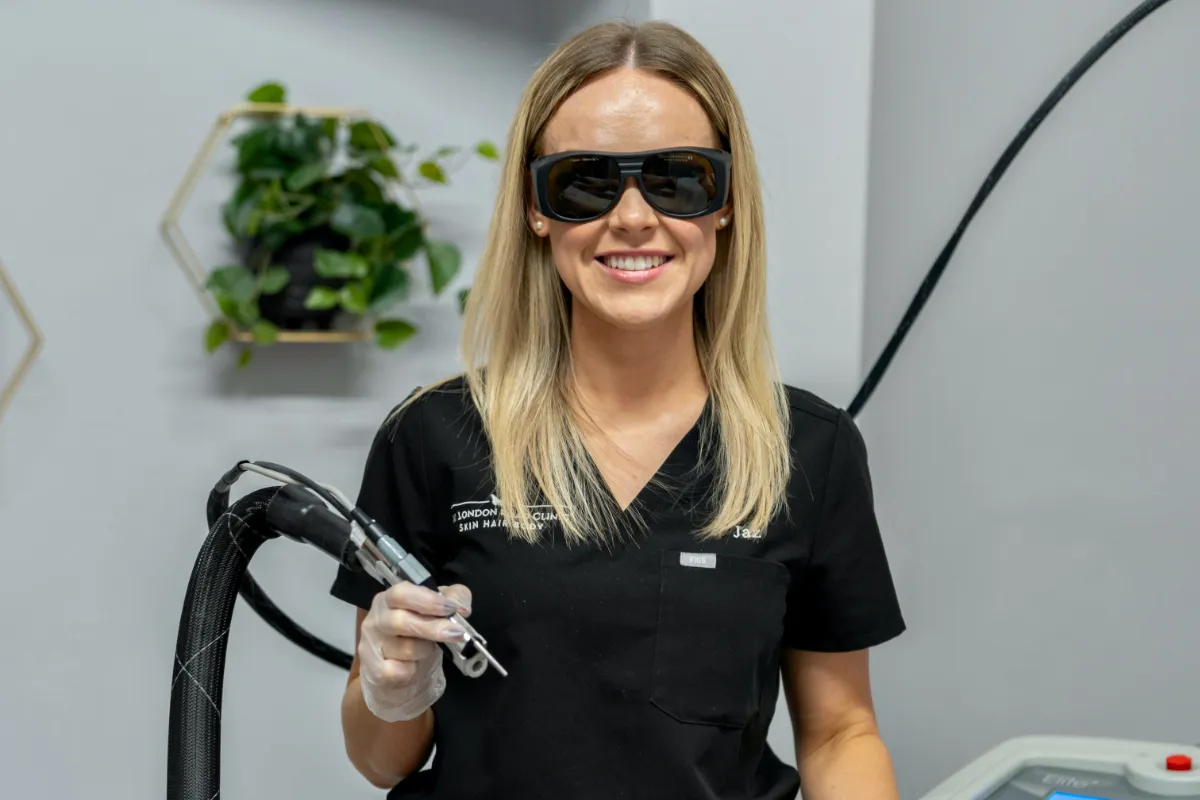
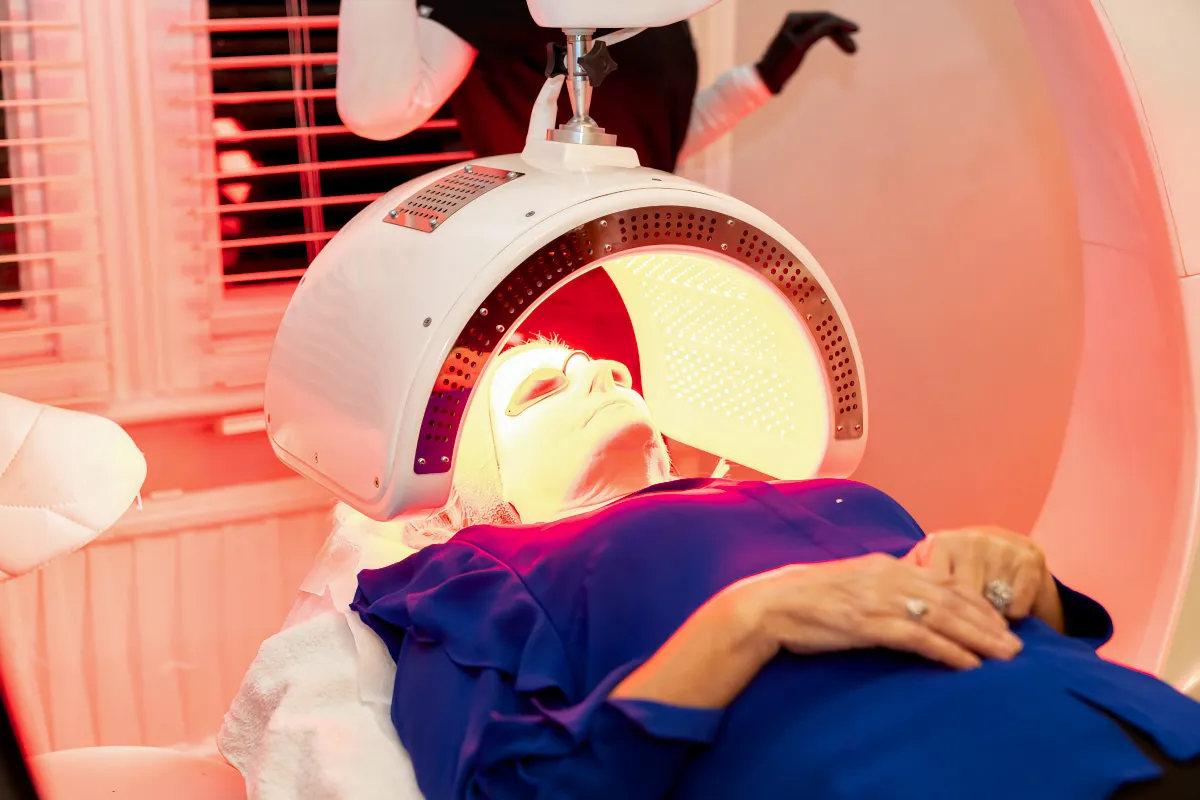
Lumecca IPL and laser vein removal target haemoglobin within dilated vessels, causing them to close and be reabsorbed without affecting surrounding tissue. LED light therapy addresses the inflammatory signalling driving papulopustular presentations. The protocol differs significantly by subtype. Identifying which type is present before treatment begins is not a formality. It is the difference between a result and a setback.
Recommended treatments

What we use for rosacea & redness

Clinical perspective

Rosacea is chronically undertreated because it gets confused with sensitive skin or an overactive flush response. People often try to manage it with gentle skincare and avoidance, which helps somewhat but does not address the underlying vascular component. The visible redness and broken capillaries we see on the surface are structural changes that need clinical intervention. IPL and vascular laser make a very visible difference for most people, and the results are long-lasting with the right aftercare.

Vascular, not sensitive skin Avoidance isn't enough Long-lasting with aftercare
Lydia Griffin, Clinic Director, The London Road Clinic

In their own words

Loved my treatment with Lydia yesterday. Woke up this morning and my skin feels amazing. Will definitely be back.
Rachel · with Lydia Griffin, Clinic Director · Jun 2023

Verified Fresha review. Displayed as submitted. Read all 1,400+ reviews →

Common questions

Frequently asked about rosacea & redness

Can rosacea be cured?
Rosacea is a chronic condition that can be effectively managed and significantly improved but not permanently cured. Clinical treatments reduce visible redness, close broken capillaries and reduce inflammatory activity. With appropriate trigger management and maintenance treatment, most people achieve long-lasting control over their symptoms.
Is IPL safe for rosacea-prone skin?
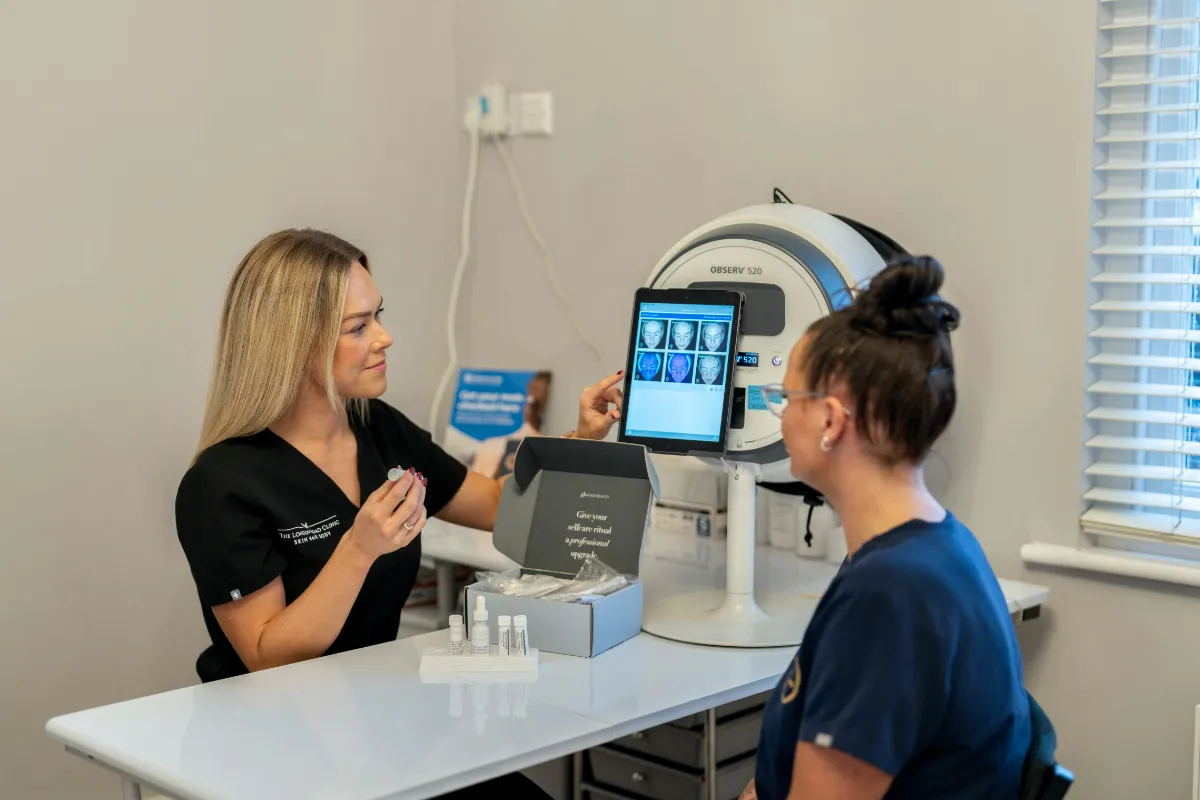
Lumecca IPL is one of the most effective treatments for the vascular component of rosacea, but it must be applied by a clinician experienced with vascular conditions and appropriate skin assessment. Parameters are adjusted specifically for rosacea presentations. A full consultation and skin analysis precede every course of treatment.
What triggers rosacea and how do I manage them?
Common triggers include UV exposure, heat, alcohol, spicy food, vigorous exercise, stress and certain skincare actives, particularly retinoids and acids at high concentrations. Trigger management is a key part of any rosacea plan. Your clinician will help you identify your individual triggers and recommend suitable barrier support and SPF as part of the wider programme.
How is rosacea different from acne?
While papulopustular rosacea can look similar to acne, with redness, papules and pustules, the two conditions have different causes and require different treatments. Rosacea is primarily vascular and inflammatory; acne is follicular, driven by sebum and bacteria. Treating rosacea with products formulated for acne (particularly exfoliating acids and strong retinoids) can worsen the condition. Clinical assessment differentiates the two before any treatment is recommended.
How many sessions will I need?
For visible capillaries and diffuse redness, most people complete a course of three to five IPL sessions spaced four to six weeks apart, with maintenance sessions as needed. The number depends on the severity and subtype of rosacea. Maintenance treatments every six to twelve months are typically recommended to prevent recurrence.

Ready to take the next step?

Book a consultation

Your clinician will assess your skin, review your history and design a treatment plan matched to your specific presentation, not a generic protocol.

Medically reviewed by Dr Shahe Boghossian, Medical Consultant, GMC 5204600 . Last reviewed 21 May 2026.

Registered with & recognised by

Book a consultation WhatsApp