Skin concern

Acne Scarring

Acne scarring is structural damage to the dermis. Correcting it requires treatments that stimulate collagen remodelling at the correct depth, not surface-level products.
Understanding the cause

What's happening in your skin

01

What actually leaves a mark

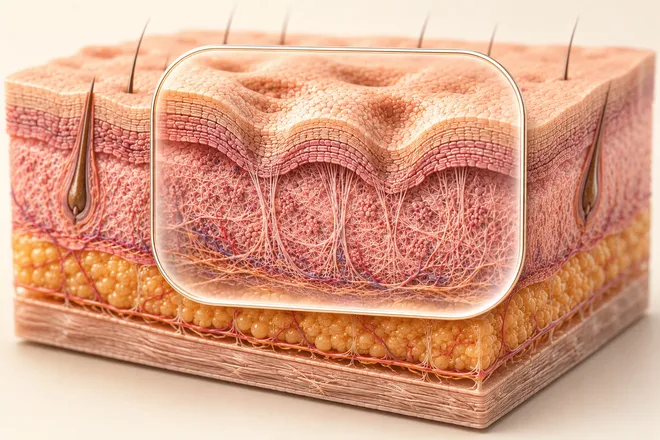
Atrophic scars form when collagen production cannot keep pace with tissue destruction during active inflammation. The deficit shows as depressions you can see and feel.

When inflammatory acne penetrates deeply, it damages the collagen network and tissue architecture of the dermis. Ice pick, boxcar and rolling scars form at sites of that deficit. Hypertrophic scars follow a different mechanism: collagen overproduction during healing that raises above the surrounding skin rather than sitting below it.

02

Topicals cannot reach the dermis

A scar is a structural deficit in the dermis. No topical product can physically reach that depth or rebuild collagen architecture from the outside.

The dermis is inaccessible to anything applied to the surface. This is not about using the right serum more consistently. It is why people spend years on resurfacing products with limited results for scarring specifically.

03

Rebuilding from the inside out

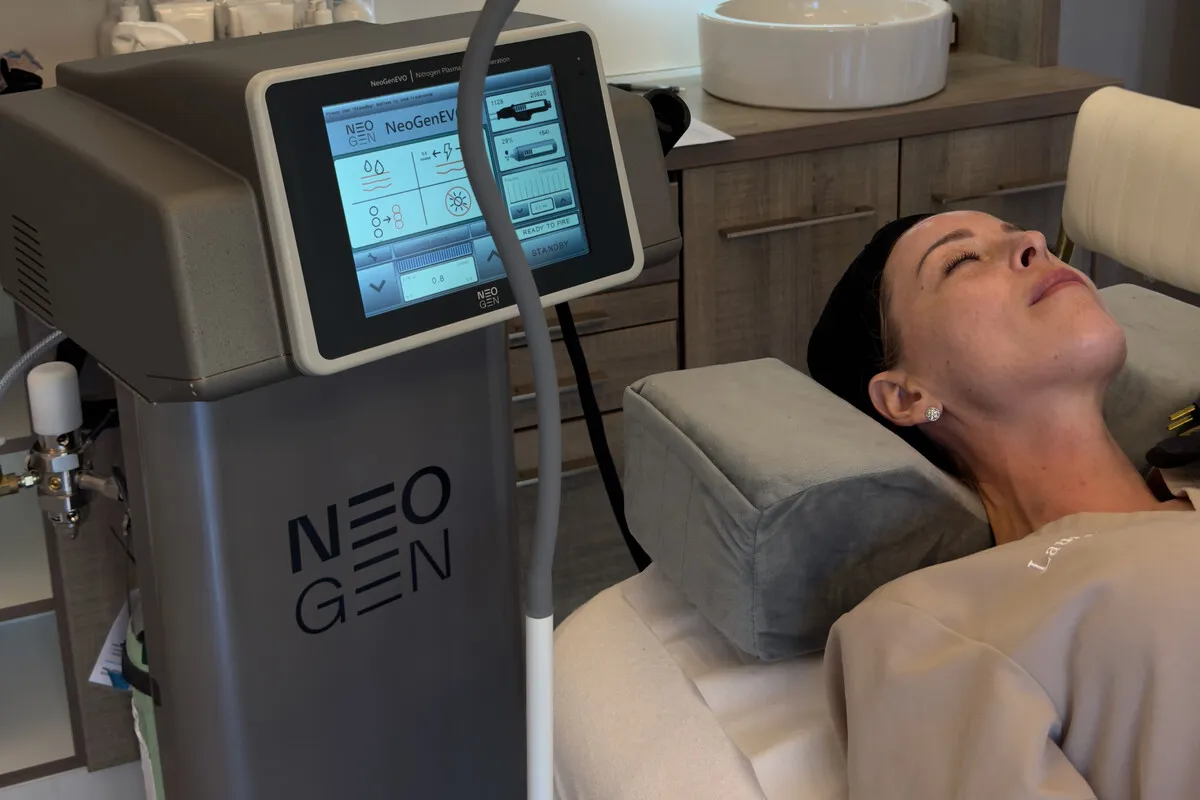
SkinPen microneedling, PRP and polynucleotides all work at dermal depth, where the structural deficit actually sits.

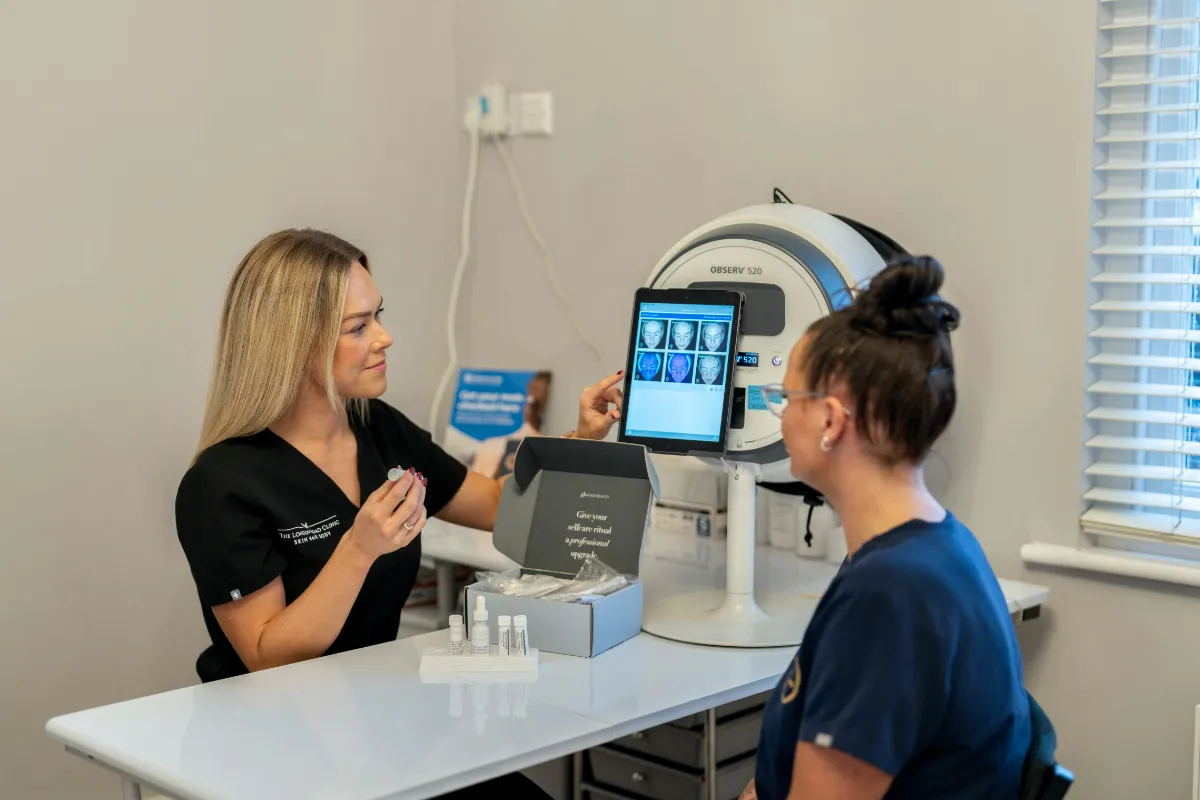
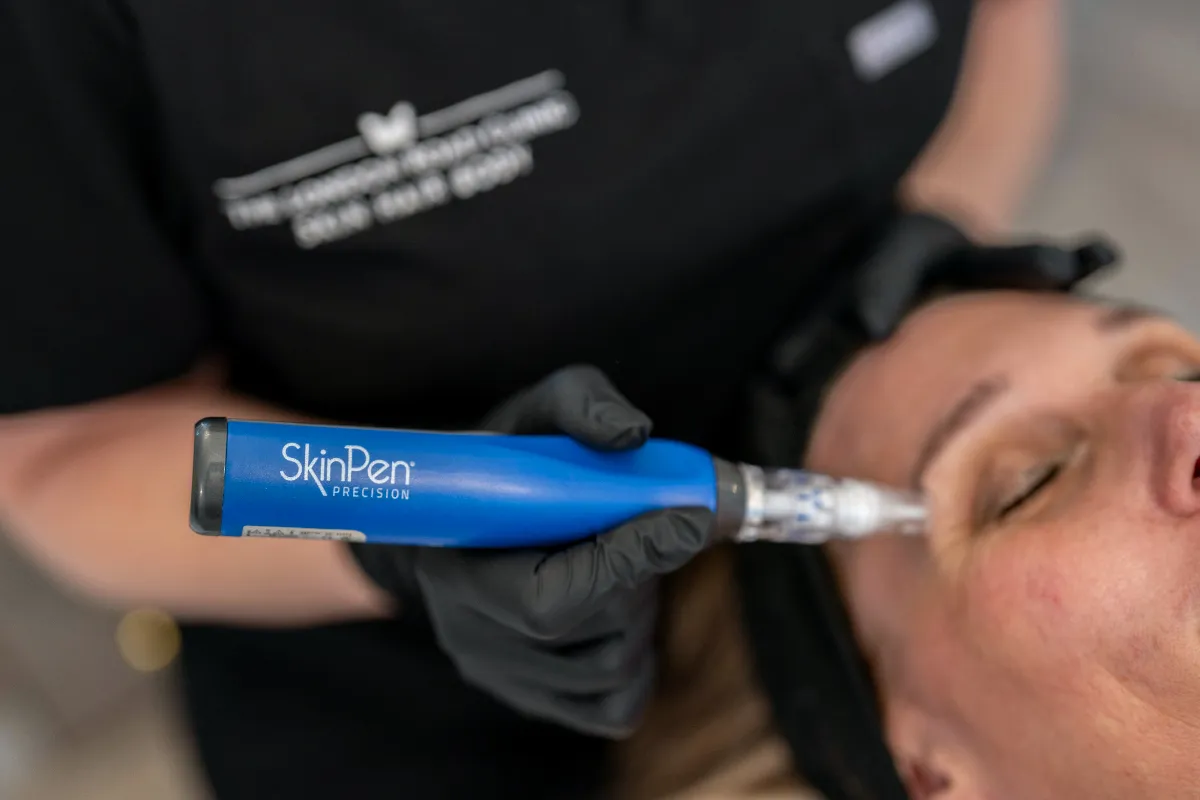
SkinPen microneedling creates controlled micro-channels that stimulate the skin's own collagen remodelling. Polynucleotides and PRP deliver regenerative growth factors directly into the tissue. OBSERV skin analysis reveals scar subtype and depth first, because ice pick, rolling and boxcar scars each respond better to different approaches, and skin tone influences protocol.
Recommended treatments

What we use for acne scarring

Clinical perspective

Acne scarring is one of the most requested concerns we treat, and also one of the most misunderstood. People arrive having spent years on serums and resurfacing products and seen very little change, because a scar is a structural problem in the dermis, and nothing applied to the surface can rebuild collagen at that depth. When we assess the scar type correctly and combine treatments in the right sequence, the results are often quite significant. But it takes time, and it requires an honest conversation about what is and is not achievable.

Structural, not surface damage Scar type assessed first Honest about timelines
Lydia Griffin, Clinic Director, The London Road Clinic

In their own words

London Road Clinic is without doubt a most professional establishment. Jazz without fail, immediately puts me at ease and I have total trust in her abilities as a skilled aesthetic practitioner. The skin pen micro-needling never disappoints, it gives wonderful results and helps my skin to maintain a natural youthful glow even at my age in my late 50s, it helps reduce my fine lines and wrinkles and gives an all-round plump, smoother texture.
Mandy · with Jaz

Verified Fresha review. Displayed as submitted. Read all 1,400+ reviews →

Common questions

Frequently asked about acne scarring

What types of acne scars can be treated?
The most common types are atrophic scars (ice pick, boxcar and rolling), which appear as depressions or uneven texture. These respond well to microneedling, polynucleotides, PRP and, where appropriate, filler. Hypertrophic and keloid scars, which are raised, require a different approach. Darker skin tones require additional care to avoid post-inflammatory hyperpigmentation, which is one reason clinical assessment is essential before any treatment begins.
How many sessions will I need?
Acne scarring is a structural concern that typically responds to a course of treatments rather than a single session. Most clients see measurable improvement over three to six sessions, depending on scar depth and subtype. Your clinician will outline a realistic timeline and combination approach at consultation.
Can old scars be treated, or only recent ones?
Older scars can still be treated effectively. The dermis retains its capacity for collagen remodelling throughout life. In some respects, mature scars that have fully settled are more predictable to treat than recent ones, which may still be changing.
What is the difference between microneedling and chemical peels for scarring?
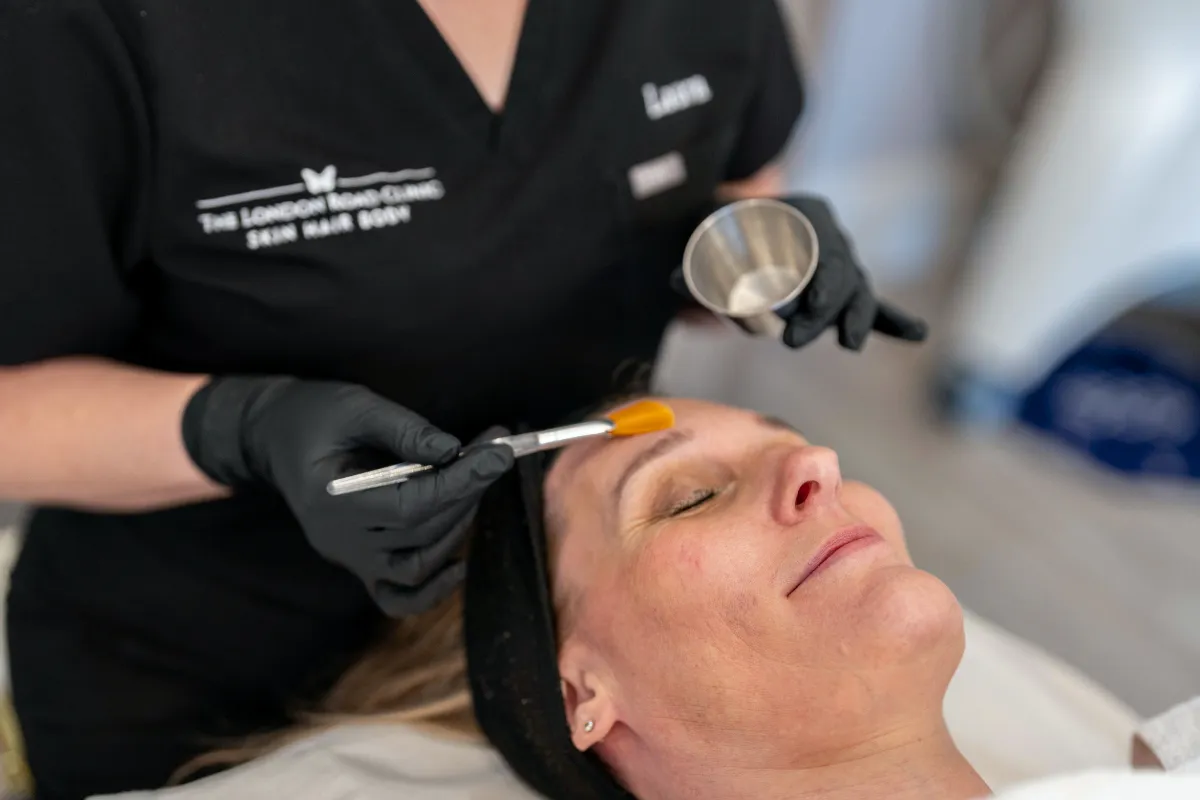
Microneedling creates controlled micro-channels in the dermis to stimulate collagen production, particularly effective for rolling and boxcar scars where the tissue structure needs to be lifted and rebuilt. Chemical peels work primarily through controlled exfoliation and cell turnover, which improves surface texture and post-inflammatory pigmentation associated with scarring. Many clients benefit from both, used in sequence.
Will treatment remove scars completely?
Clinical treatment can produce significant and lasting improvement. For most scar types, the realistic outcome is a reduction in depth and visibility that makes scars much less noticeable, not complete removal. Expectations are always discussed honestly at consultation before any treatment is recommended.

Ready to take the next step?

Book a consultation

Your clinician will assess your skin, review your history and design a treatment plan matched to your specific presentation, not a generic protocol.

Medically reviewed by Dr Shahe Boghossian, Medical Consultant, GMC 5204600 . Last reviewed 21 May 2026.

Registered with & recognised by

Book a consultation WhatsApp