Skin concern

Pigmentation & Sun Damage

Uneven pigmentation is driven by melanin overproduction. Clinical approaches interrupt that process and target existing pigment without damaging surrounding tissue.
Understanding the cause

What's happening in your skin

01

Not all pigmentation is the same

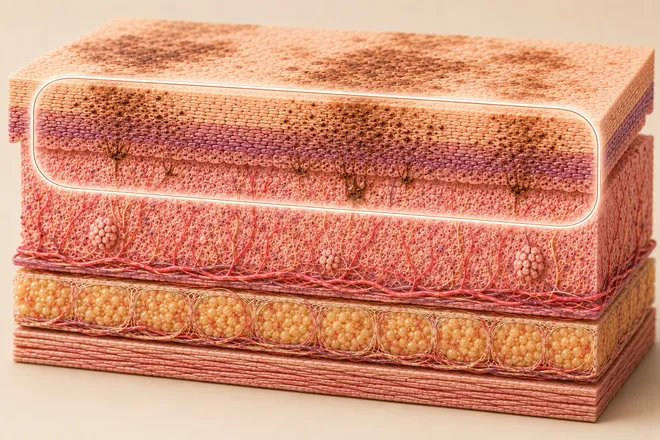
Depth determines which treatment works. Superficial pigmentation sits in the epidermis. Hormonal melasma frequently sits in the dermis, or both layers simultaneously.

Melanin overproduction presents as sunspots, diffuse melasma, post-inflammatory hyperpigmentation or generalised UV discolouration. What these share is overactive melanocyte signalling. What they do not share is depth. Treating surface-level pigmentation is straightforward. Dermal or mixed pigmentation requires a different approach entirely.

02

Why brightening serums fall short

Brightening serums inhibit new melanin synthesis at the surface. They cannot reach pigment already accumulated in the dermis or break up established pigment clusters.

Tyrosinase-inhibiting serums modestly reduce new pigment production and support maintenance. They cannot deliver the controlled energy needed to break up established clusters, nor reach dermal pigment. For post-inflammatory hyperpigmentation in the upper epidermis, a serum may help. For anything deeper, it is working at the wrong level.

03

Find the depth, then treat it

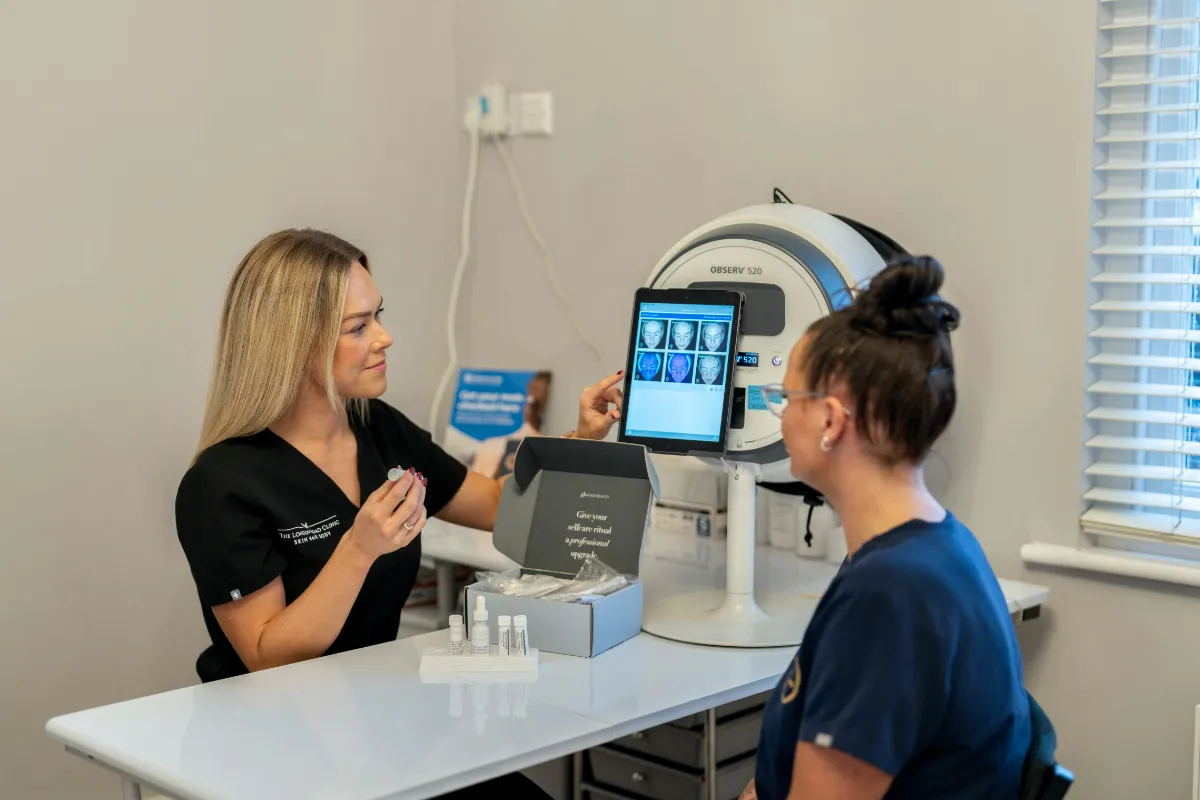
OBSERV skin analysis reveals pigment distribution invisible to the naked eye. This single step changes the treatment decision.

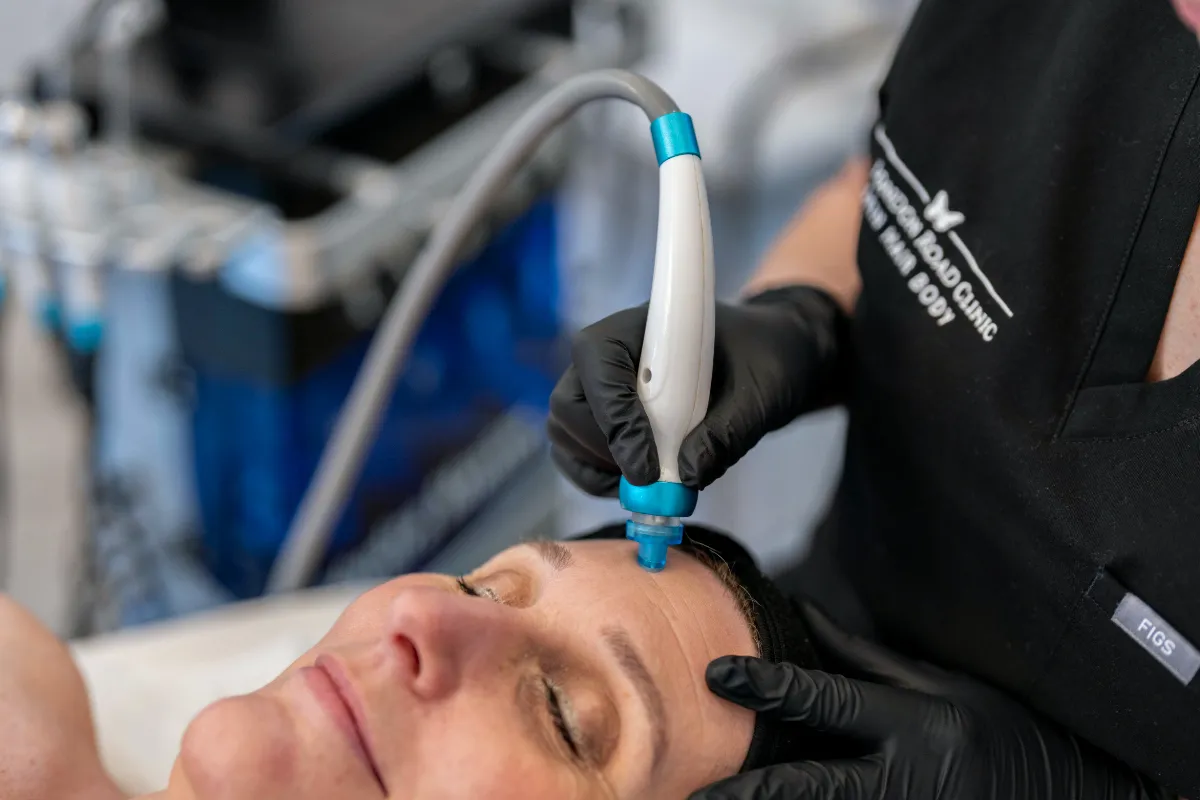
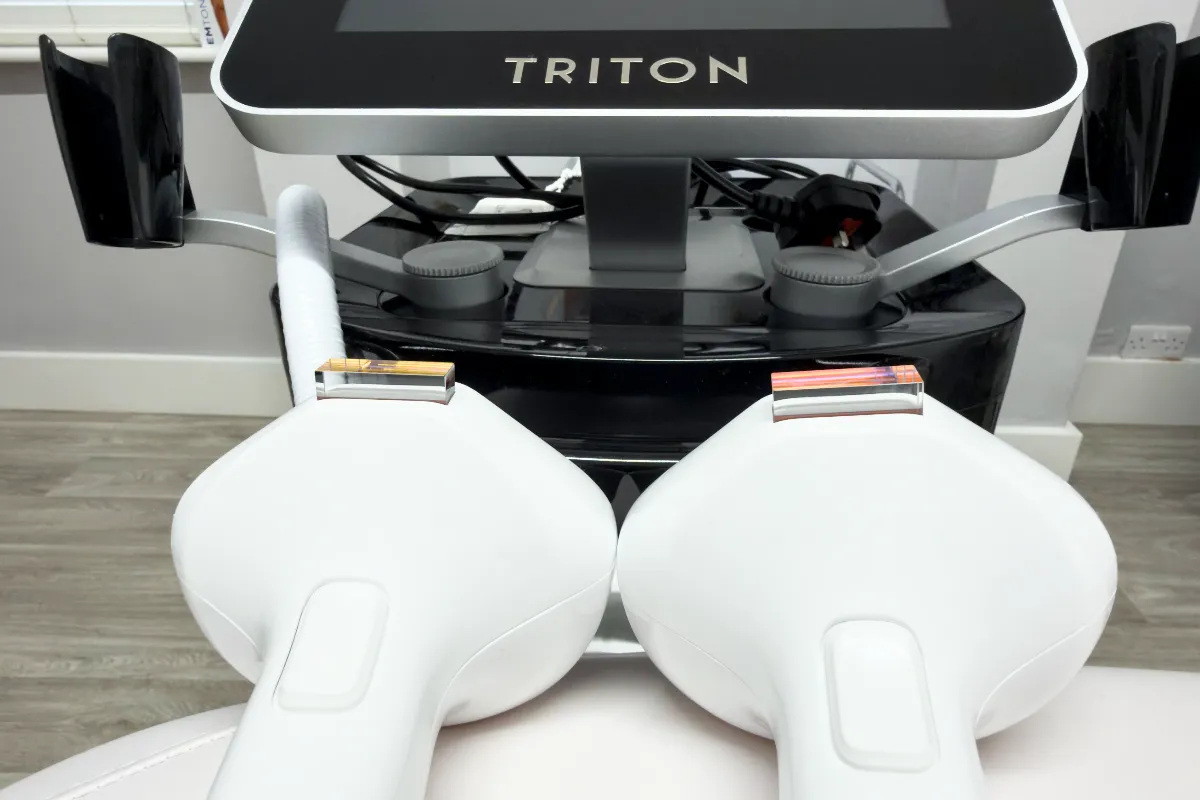
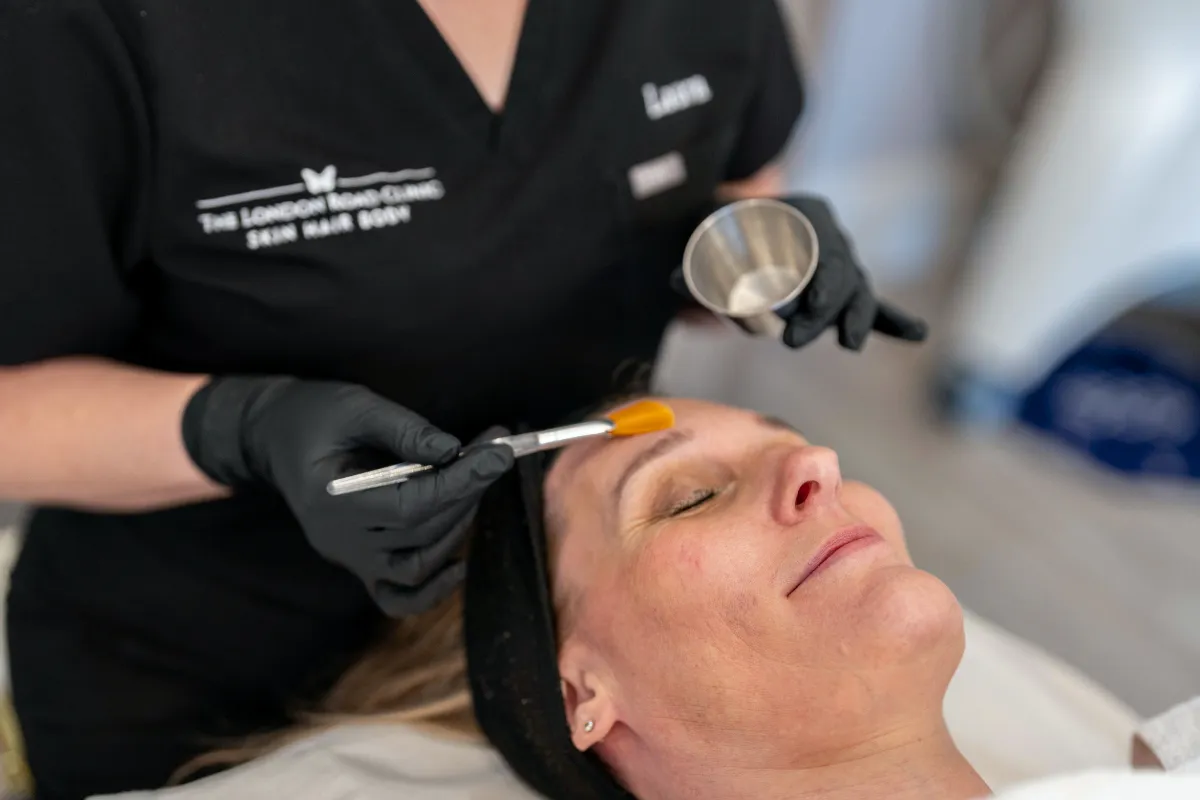
OBSERV imaging reveals the depth and distribution of pigment before any treatment is chosen. Lumecca IPL targets melanin selectively in the epidermis, making it highly effective for superficial sunspots and UV damage. Chemical peels and HydroFacial accelerate cell turnover for surface accumulation. Deeper or hormonal pigmentation requires a combination protocol. Treating without knowing the depth is the most common reason pigmentation treatment underperforms.
Recommended treatments

What we use for pigmentation & sun damage

Clinical perspective

Pigmentation is one of the most common concerns I see, and one where people have often tried a lot before they reach us. The challenge is that pigmentation has different causes and sits at different depths, what works for post-inflammatory hyperpigmentation is not necessarily right for melasma. Before we recommend any treatment, we use OBSERV to map the pigment properly. That single step changes everything in terms of what we choose and in what order we treat.

Depth determines the approach OBSERV maps the pigment Identify before treating
Lydia Griffin, Clinic Director, The London Road Clinic

In their own words

Very professional. Laura always knows what's best for my skin and talks me through the whole process. I have seen amazing results in the look of my skin since attending the clinic. Highly recommend.
Holly · with Laura · Aug 2025

Verified Fresha review. Displayed as submitted. Read all 1,400+ reviews →

Common questions

Frequently asked about pigmentation & sun damage

What is the difference between sunspots and melasma?
Sunspots (solar lentigines) are discrete, well-defined patches of pigment caused by cumulative UV exposure. They tend to respond well to IPL and resurfacing treatments. Melasma is a chronic condition driven by hormonal factors and UV, typically presenting as diffuse, blotchy discolouration across the cheeks, forehead or upper lip. Melasma is more complex to treat and prone to recurrence without a maintenance programme, which is why correct identification before treatment matters.
Will IPL work on my skin tone?
IPL targets melanin using light energy, which means it works best on lighter skin tones where there is high contrast between the pigmented area and surrounding skin. On darker skin tones, the risk of unintended pigmentation change increases. A thorough skin assessment determines whether IPL is appropriate or whether an alternative approach is safer and more effective for your skin.
How quickly does pigmentation return after treatment?
Pigmentation from UV exposure will return with continued sun exposure if SPF protection is not used consistently. Hormonal pigmentation (melasma) has a high recurrence rate regardless of treatment. Your clinician will discuss maintenance strategies at consultation, including prescription-grade topical support where appropriate.
Can pigmentation be treated on the body as well as the face?
Yes. IPL, chemical peels and other resurfacing treatments can be applied to the décolleté, hands, arms and other areas with sun damage. Treatment protocols are adjusted for skin thickness and sensitivity in different areas.
How many treatments will I need?
This depends on the type and depth of pigmentation. Superficial sunspots may respond within one to three IPL sessions. Deeper or hormonal pigmentation typically requires a course of treatments combined with topical support and is managed as an ongoing concern rather than a one-off fix.

Ready to take the next step?

Book a consultation

Your clinician will assess your skin, review your history and design a treatment plan matched to your specific presentation, not a generic protocol.

Medically reviewed by Dr Shahe Boghossian, Medical Consultant, GMC 5204600 . Last reviewed 21 May 2026.

Registered with & recognised by

Book a consultation WhatsApp