Skin concern
Volume Loss
Volume loss is a structural change: fat pads thin, bone remodels and collagen reduces with age. Dermal fillers replace what has been lost with results visible on the day. Biostimulators rebuild skin quality gradually over months but do not restore structural volume. Understanding which is needed, and in what combination, is the starting point for any plan.
Understanding the cause
What's happening in your skin
Every layer changes simultaneously
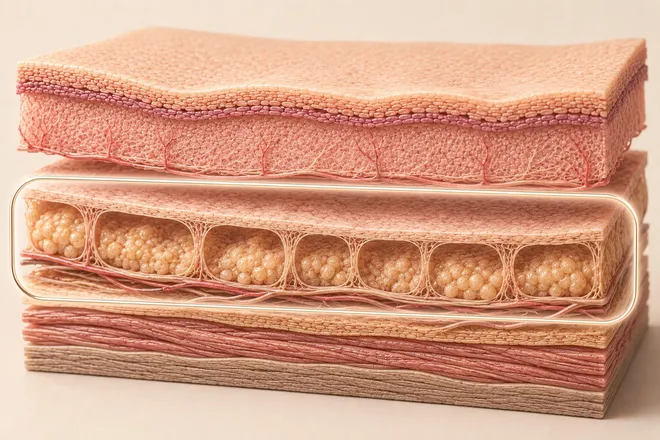
From the mid-twenties, fat pads thin, bone remodels and collagen reduces all at once. The folds and hollows you see on the surface reflect structural changes underneath, not a skin problem.
Facial volume is maintained by a scaffold of fat compartments, bone, muscle and connective tissue. From the mid-twenties, every layer changes simultaneously. Fat pads thin and descend. Bone at the orbital rim and jaw remodels to occupy a smaller surface area. Collagen and elastin reduce throughout the dermis. The result is predictable: cheeks flatten, undereye hollows deepen, the jawline loses definition and the skin loses its structural support.
Surface treatment before structure limits results
A nasolabial fold often reflects midface descent. Restoring the volume above frequently improves the fold without touching it directly.
The intuitive response to a fold is to fill it directly. Most visible folds are secondary to structural changes in the deeper layers. A nasolabial fold may respond significantly better to restoring the midface volume that has descended than to treating the fold itself. Adding volume at the surface without addressing the underlying scaffold produces a result that looks less natural and metabolises faster.
Filler replaces volume. Biostimulators rebuild quality. These are not the same thing.
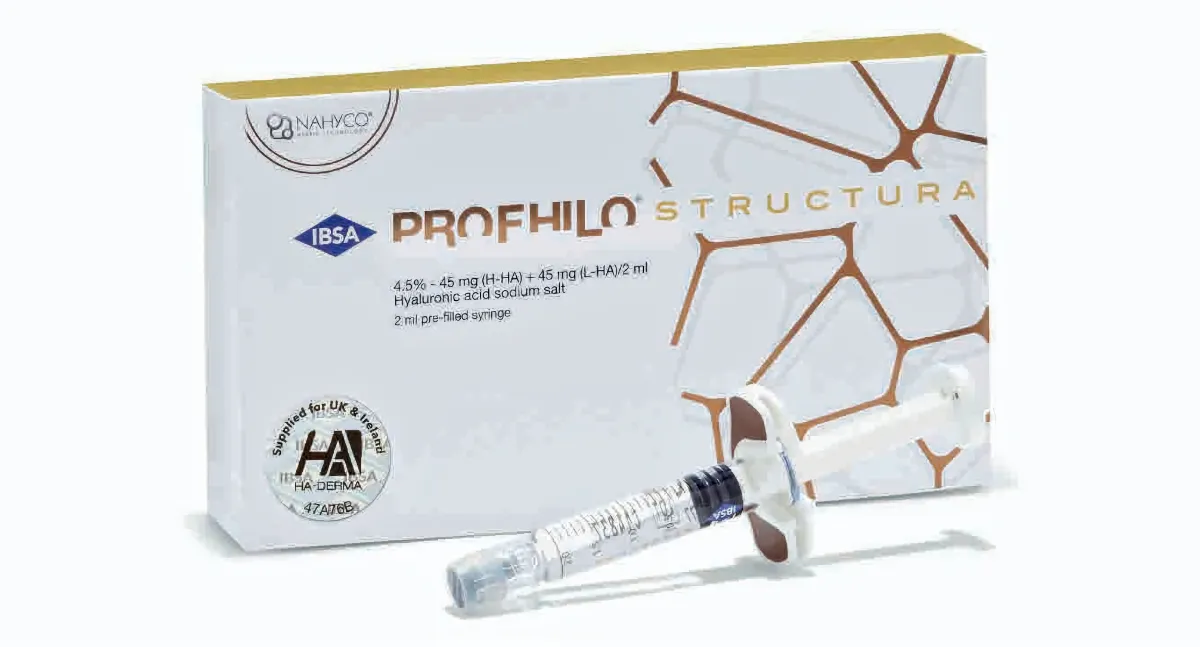
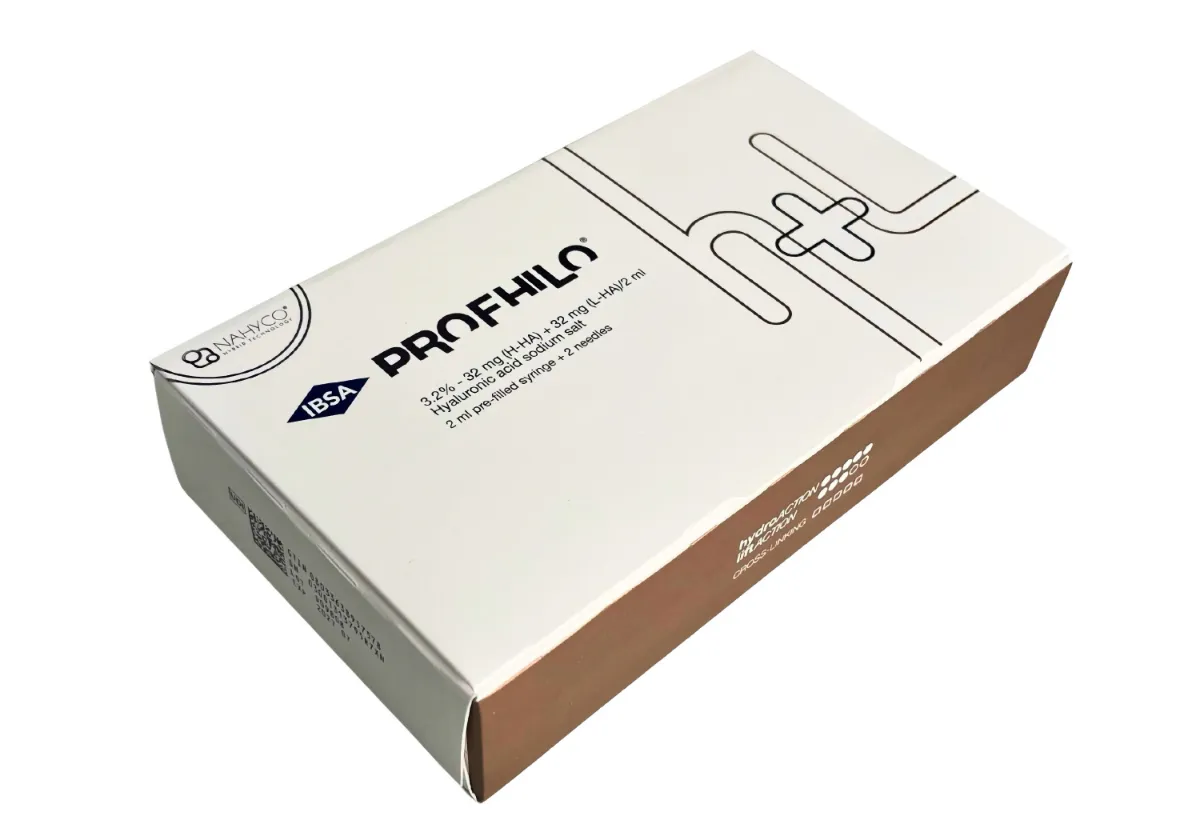
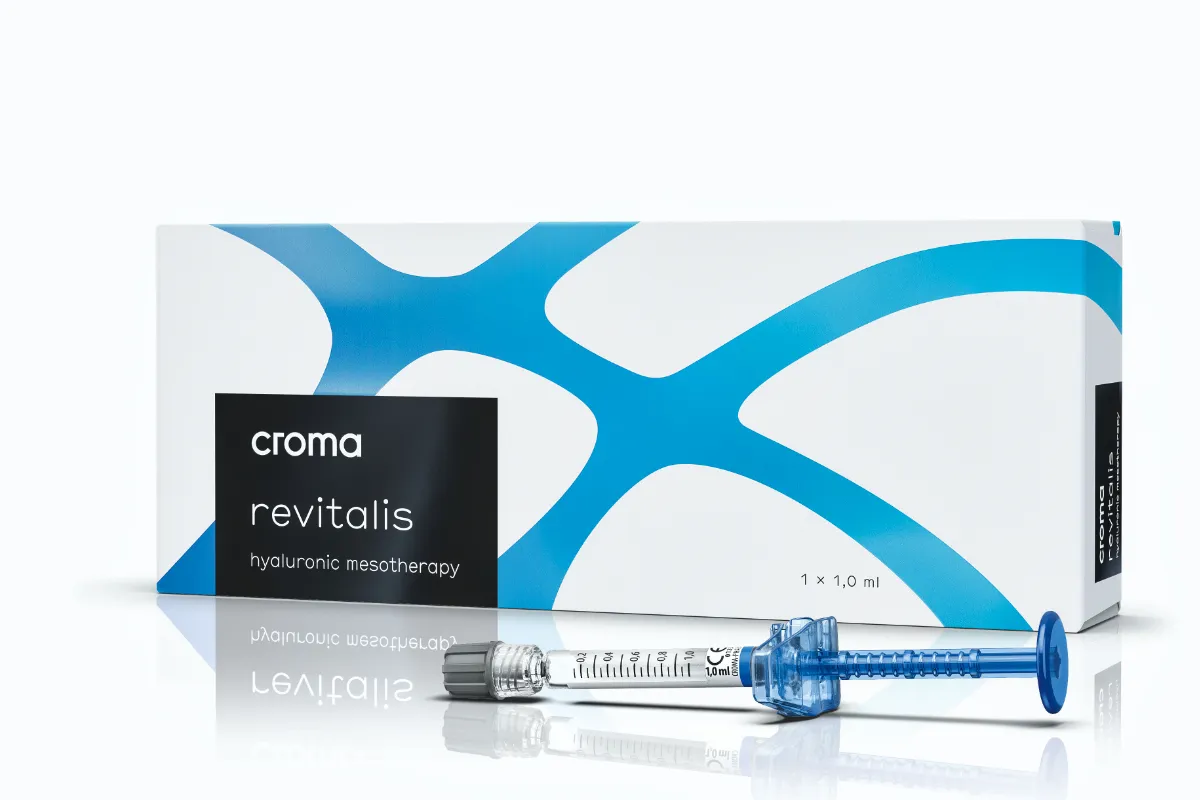
Dermal filler physically replaces lost volume: the result is visible on the day. Biostimulators such as Profhilo, Revitalis and polynucleotides work over weeks and months by stimulating your own collagen. They are not a substitute for filler when structural volume has been lost.
Volume restoration at The London Road Clinic is delivered by Dr Shahe Boghossian and Nurse Mel Van Wellen, both of whom plan treatment in the same deliberate sequence. Where the concern is visible hollowing, flattened cheeks or deep structural loss, dermal filler is the most direct answer: volume is physically replaced and the change is visible immediately after treatment. Biostimulators work differently. They stimulate collagen, elastin and hydration over time, gradually improving the quality of the skin sitting above the structural layer. The improvement is real but slow, and it is in skin quality rather than volume. Many people benefit from both in combination: filler restores the structural scaffold first, then biostimulators improve what sits above it. A thorough facial assessment determines which layers need attention and in what order.