Patient Guide: InShape HIFEM for Muscle Toning and Body Definition
How InShape uses high-intensity focused electromagnetic energy to produce supramaximal muscle contractions, what it treats, and where it fits alongside fat reduction and cellulite treatment.
Published 22 May 2026

The distinction between fat reduction and muscle development is the most important clarification to make before any patient considers InShape. They’re separate physiological processes that require different interventions, and conflating them leads to either the wrong treatment choice or poorly calibrated expectations. InShape addresses muscle, not fat. If the primary concern is a fat deposit, cryolipolysis is the appropriate starting point. If the concern is tone, definition, and the structural quality of the muscle underneath, InShape is the relevant device.
This distinction matters in practice because patients often present with a combination of both, and the right plan usually sequences them rather than choosing one. This guide sets out what InShape does, how the mechanism differs from voluntary exercise, who it suits, and where it sits in the broader body treatment picture at The London Road Clinic.
The Mechanism: Supramaximal Contractions
InShape uses high-intensity focused electromagnetic (HIFEM) technology, the same electromagnetic principle used in Emsella for pelvic floor treatment, adapted for body muscles. The electromagnetic field passes through the skin and subcutaneous tissue, depolarising the motor neurones that supply the target muscle group and inducing contractions.
The critical word is supramaximal. During voluntary exercise, the central nervous system limits muscle contraction intensity to protect tissue from injury. Even at maximum voluntary effort, typically only 30 to 40 per cent of motor units in a muscle fire simultaneously, and fatigue prevents sustained effort beyond seconds. HIFEM bypasses the voluntary neural pathway entirely. It directly stimulates the motor neurones at a frequency and intensity that voluntary effort cannot match, recruiting close to 100 per cent of motor units and sustaining that recruitment through thousands of contractions in a single session.
The mechanical consequence of repeated supramaximal contractions is significant. The extreme load placed on the muscle fibres triggers an adaptation response: existing fibres hypertrophy (increase in cross-sectional area), and the proportion of type II fast-twitch fibres is remodelled. The result is increased muscle mass, improved definition, and stronger neuromuscular recruitment, all measurable on imaging and on clinical assessment.
For reference, a 30-minute InShape session produces more contractions than most patients would achieve in multiple gym sessions combined. This is the legitimate clinical rationale for the device, not marketing language.
What InShape Treats
Abdominal definition. The most common indication. Patients who exercise regularly but struggle to develop visible abdominal definition, or who have lost abdominal tone following pregnancy or significant weight change, are the classic candidates. InShape loads the rectus abdominis and the obliques, producing the kind of hypertrophy and definition that responds slowly or inconsistently to conventional exercise alone in some patients.
Buttock toning and lifting. The gluteal muscles respond well to HIFEM stimulation. InShape is used for patients who want firmer, more lifted buttock contour without surgical augmentation. The gluteus maximus, medius and minimus can all be targeted, and the effect on contour can be visible even through moderate overlying tissue.
Thigh and upper arm toning. Less common indications but within the device’s range. The quadriceps, hamstrings and triceps can each be targeted depending on the patient’s concern.
Post-fat-reduction muscle development. Following a LipoContrast course to reduce a fat deposit, the underlying muscle may benefit from InShape to build definition in the newly revealed contour. Fat reduction reveals what’s underneath; InShape improves what that is. This sequencing is one of the most clinically satisfying combinations we plan in the body treatment cluster.
Post-pregnancy abdominal recovery support. In patients who’ve been appropriately cleared following delivery, InShape can support the process of abdominal muscle recovery. An important caveat applies here: InShape is not a treatment for diastasis recti. Diastasis, the separation of the rectus abdominis along the linea alba, requires physiotherapy assessment as the primary intervention. InShape should not be used on an unassessed or unmanaged diastasis, as loading a separated muscle without appropriate management of the gap may not produce the desired result. Patients with suspected diastasis are referred for physiotherapy assessment first, with InShape considered as a supportive tool once the rehabilitation programme is established. The post-pregnancy body concerns guide covers this in detail.
Who InShape Suits
The patients who see the most satisfying results from InShape share a common profile:
- At or near a healthy weight, with muscle tone or definition as the concern rather than fat volume
- Sufficient existing muscle tissue to respond to hypertrophy stimulus
- Realistic expectations about the degree of change achievable and the maintenance required
- Committed to supporting the result with ongoing physical activity
The most common mismatch is a patient who hopes InShape will produce visible definition through a significant overlying fat layer. It won’t. HIFEM strengthens and builds the muscle, but if it’s covered by fat, the surface contour won’t reflect that change. For these patients, addressing the fat first, or alongside, is the appropriate approach. We discuss this frankly at consultation.
What InShape Cannot Do
It doesn’t remove fat. The electromagnetic field loads muscle, not adipose tissue. Some studies have shown modest secondary effects on localised fat in the treatment zone, likely from the metabolic activity and fatty acid mobilisation during intense muscle contraction, but this effect is not reliable or consistent enough to position InShape as a fat-reduction device. For fat reduction, cryolipolysis is the appropriate intervention.
It doesn’t replace exercise. InShape produces muscle adaptations that supplement the gains available from conventional training, particularly for muscle groups that are difficult to isolate or load in the gym. But the physiological adaptations it produces are built on the same substrate as exercise. Patients who are sedentary and rely entirely on InShape for muscle maintenance will see their results decline as the stimulus stops. The effect is strongest, and lasts longest, in patients who continue to train the treated muscle group.
It doesn’t repair structural problems. Diastasis recti, as noted above, needs physiotherapy. InShape won’t close a diastasis separation and loading across it without physiotherapy supervision may not be appropriate.
It doesn’t produce the metabolic or cardiovascular adaptations of exercise. Body composition improvement via InShape is real, but the broader benefits of physical training, including cardiovascular fitness, bone density, hormonal regulation and metabolic health, require actual exercise.
Course Structure and Treatment Experience
A standard InShape course is four sessions over two weeks, typically with two to three days between sessions. Each session treats one area for 30 minutes. Where two areas are being treated, for example abdomen and buttocks, each is treated separately, and the appointment is longer.
The sensation is distinctive. During the session, the target muscles contract involuntarily and intensely. Patients often describe it as the muscle “doing its own thing” without any effort on their part. It isn’t painful in the conventional sense, but it is intense, and the sensation is unlike anything most patients have experienced before. We explain this clearly before the first session. The intensity can be adjusted during the session if needed, and we build up gradually at the start.
Immediately after, the treated muscles feel fatigued, similar to the sensation after a very intense workout. Some patients notice mild muscle soreness over the following 24 to 48 hours, again comparable to post-exercise delayed onset muscle soreness. There’s no skin reaction, no downtime, and no restriction on activity, though very intense exercise of the same muscle group on the same day isn’t necessary.
Results Timeline and Maintenance
Results develop over the 2 to 4 weeks following the course as muscle remodelling completes. Some patients notice the change during the course itself; the full effect is typically visible at 4 to 6 weeks post-treatment. We recommend reviewing at that point rather than immediately after the final session.
Maintaining the result involves two things: returning for maintenance sessions, typically one to two per year, and continuing to exercise the treated muscle group between sessions. InShape can be thought of as an accelerant and a supplement to training, not a replacement for it.
Contraindications
InShape is not appropriate for all patients. Contraindications include:
- Metal implants in or near the treatment area, including certain orthopaedic hardware
- Cardiac pacemakers, defibrillators or other active implanted electronic devices
- Pregnancy
- Copper intrauterine devices in patients seeking abdominal treatment, where proximity to the electromagnetic field requires assessment
- Active malignancy in the treatment area
- Hernia in the abdominal area for patients seeking abdominal treatment
- Recent surgery in the treatment area until sufficiently healed
- Lumbar disc pathology that might be aggravated by the abdominal contractions produced
We screen for these at consultation.
How InShape Fits at LRC
Within the body treatment cluster at LRC, InShape sits alongside LipoContrast for fat reduction, EmTone for cellulite and skin texture, and Body Ballancer for lymphatic support and recovery. The cluster is designed around the reality that most patients presenting with body concerns have more than one component: fat, muscle, skin quality and circulation are often all part of the picture. The body contouring guide sets out how we think about combining these treatments.
Frequently Asked Questions
Is InShape the same as Emsella?
How many contractions does a session produce?
Will I see abs after a course of InShape?
Does it hurt?
Can I use InShape if I have diastasis recti?
How long do results last?
Can InShape be combined with fat-reduction treatment?
Is InShape suitable for men?
Related reading
- Body contouring and fat reduction: what’s right for you
- Patient guide: EmTone
- Patient guide: Emsella and the pelvic floor
- Emsella pelvic floor treatment in Newark
- Emsella compared with pelvic floor physiotherapy
- Post-pregnancy body concerns
- Cellulite: causes and treatment
- What to expect at an aesthetic consultation
Muscle toning and fat reduction are different outcomes, and most people want some of each. A consultation works out the split and the order.
Treatments that may help
Related advice
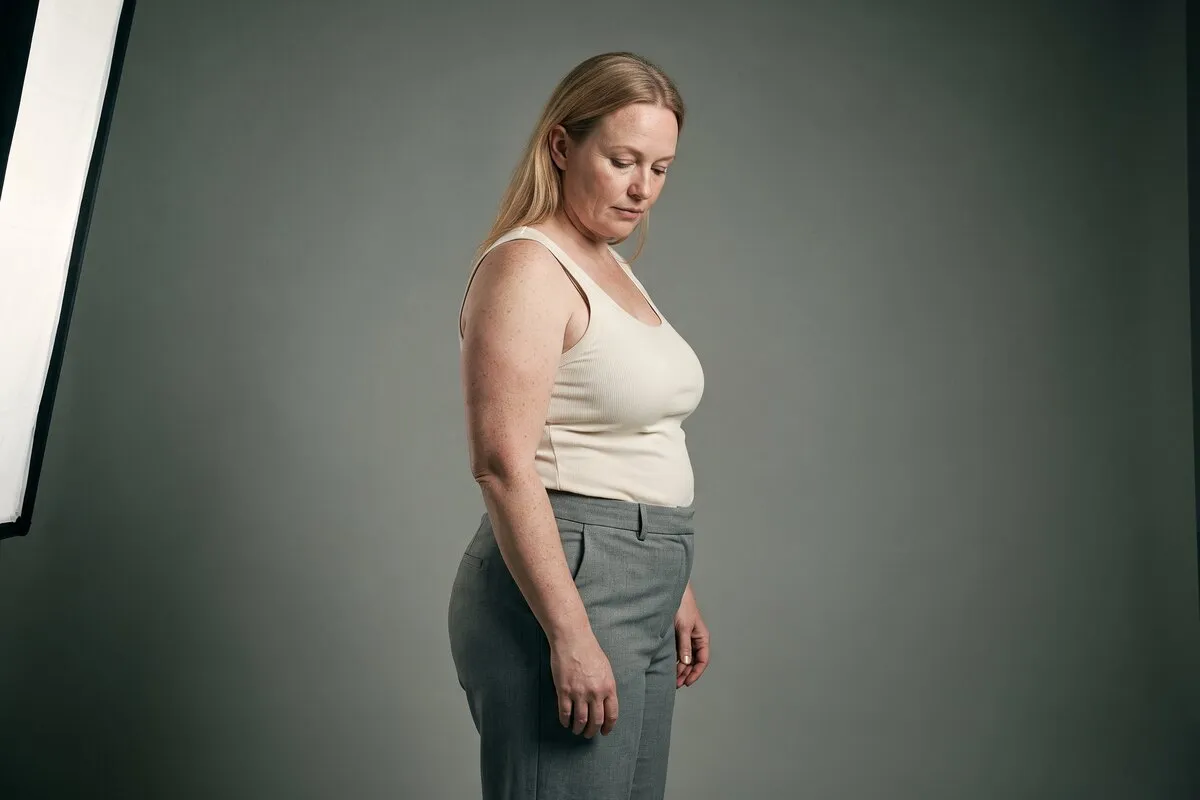
Body Contouring and Fat Reduction: Which Treatment Is Right for You?
The difference between fat reduction, muscle toning, cellulite treatment and lymphatic support at LRC. How to identify which concern you're addressing and which treatment matches it.
22 May 2026
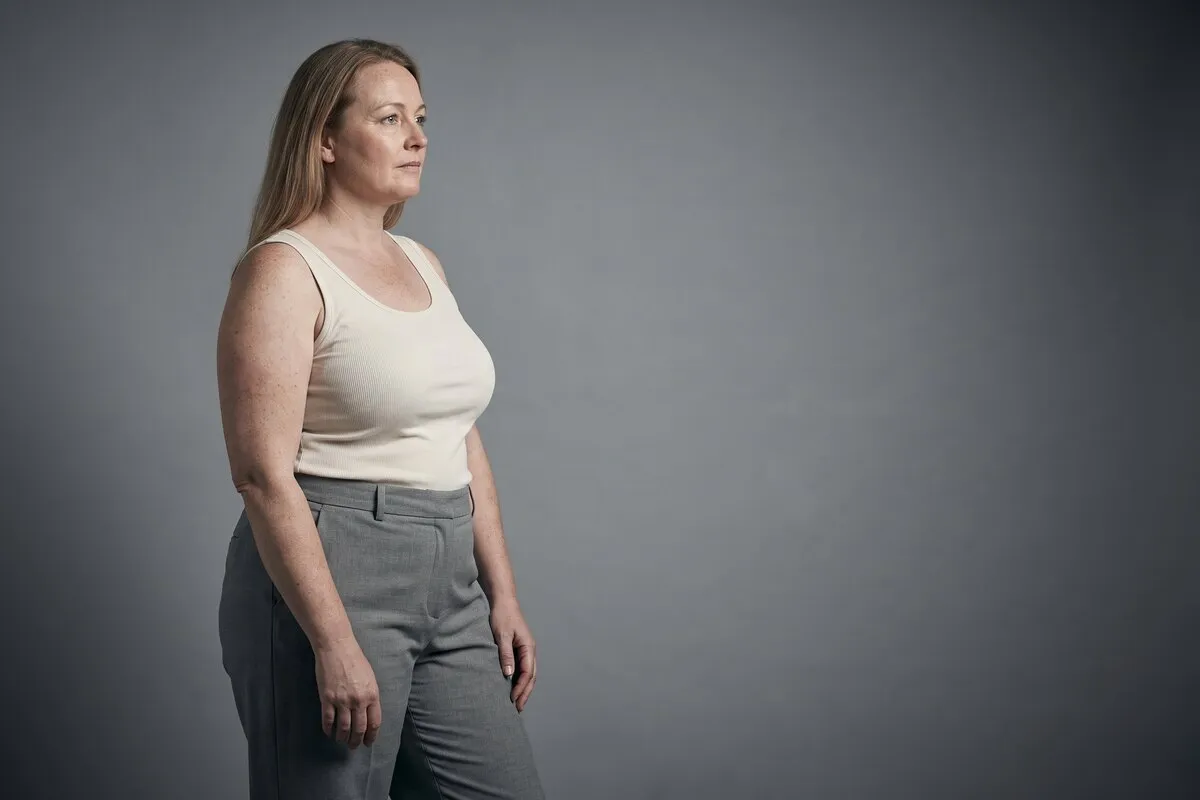
Patient Guide: LipoContrast Cryolipolysis for Localised Fat Reduction
How cryolipolysis uses controlled cold to permanently reduce fat cells in localised deposits. What to expect, realistic results, known risks, and who the treatment suits.
22 May 2026

Patient Guide: Body Ballancer Lymphatic Drainage Therapy
How the Body Ballancer uses sequential pneumatic compression to support lymphatic drainage, reduce fluid retention and assist recovery after body treatments. What it does, and what it doesn't.
22 May 2026