Patient Guide: EmTone for Cellulite and Skin Texture on the Body
How EmTone's combination of radiofrequency and targeted pressure energy addresses the four structural causes of cellulite. What to expect from a course, and what the treatment can and can't do.
Published 22 May 2026

Cellulite has a reputation for being untreatable, and that reputation isn’t entirely undeserved. Single-modality treatments, devices that target only one of the structural factors that create the dimpled, uneven skin texture most patients are describing, tend to produce limited results because they’re addressing part of a multi-factorial problem. EmTone works differently, and the reason it works differently is worth understanding before we discuss what to expect from treatment.
This guide explains the structural biology of cellulite, why a dual-energy approach addresses it more completely than a single-modality device, and what a course of EmTone at The London Road Clinic looks like in practice. It’s also honest about what EmTone is and isn’t: it isn’t a fat-reduction treatment, it isn’t a substitute for weight management, and the patients who get the best results are those who come with accurate expectations.
Why Cellulite Is a Structural Problem
Cellulite affects the majority of women after puberty and a smaller proportion of men, and the disparity between sexes is structural rather than a matter of body fat percentage. In women, the fibrous bands (septae) that connect the skin to the underlying muscle run perpendicular to the skin surface, creating a lattice structure. Fat cells sitting within this lattice can herniate upwards between the bands, pushing against the underside of the skin and creating the characteristic dimpled surface. In men, the septae run obliquely or in a cross-hatched pattern, which is mechanically less likely to produce herniation.
This matters clinically because it means cellulite is not simply excess fat. A lean patient can have significant cellulite, and a patient with more body fat can have very little. The severity of cellulite is determined by the number and rigidity of the fibrous bands, the degree of fat herniation, the elasticity of the overlying skin, and the quality of local circulation and lymphatic drainage.
These four factors map onto the four mechanisms that EmTone targets, which is the core rationale for a dual-energy device. A treatment that only addresses one factor, say skin elasticity, while leaving the rigid bands and circulation unchanged, produces a partial result. EmTone’s combination of radiofrequency and targeted pressure energy is designed to work on all four simultaneously.
For more on the physiology and grading of cellulite, the cellulite guide covers the full picture.
How EmTone Works
EmTone, by BTL, delivers two forms of energy through a single handpiece. They’re applied simultaneously rather than in sequence, which is the functional difference between EmTone and older devices that combined modalities by alternating them.
Radiofrequency. RF energy penetrates the tissue and produces volumetric heating in the dermis and subdermis. This has two effects: it stimulates fibroblasts to produce new collagen and elastin, improving the elasticity and structural quality of the overlying skin; and it heats and disrupts the fibrous bands, reducing their rigidity and their tendency to tether the skin surface downwards. The heating is controlled and measured rather than intense: the goal is thermal stimulation, not thermal injury.
Targeted pressure energy. This is the element that differentiates EmTone from devices that use RF alone. Targeted pressure energy delivers mechanical pulses into the tissue that improve local circulation, support lymphatic drainage, and apply physical disruption to the fibrous septae. The mechanical component addresses the circulatory and drainage factors that RF heating doesn’t reach.
In combination, the RF addresses skin quality and fibrous band rigidity; the pressure energy addresses circulation, drainage and the physical structure of the bands. Neither energy alone produces the same effect as both together.
What EmTone Treats
Cellulite on the thighs, buttocks, abdomen and arms. EmTone is appropriate for all grades of cellulite. Grade 1 and 2 cellulite, visible on standing or with mild compression, tends to respond most clearly. Grade 3 cellulite, visible at rest in all positions, also responds, though the degree of visible improvement may be more modest and maintenance is more important.
Body skin laxity and texture. Beyond the dimpling of cellulite, many patients are concerned about the general texture and firmness of skin on the thighs, abdomen or upper arms. The RF component of EmTone stimulates collagen and can improve skin quality in these areas independently of the cellulite indication.
Post-fat-reduction skin support. Patients who’ve had cryolipolysis (LipoContrast at LRC) to reduce a localised fat deposit sometimes find the overlying skin needs support as the fat layer reduces. EmTone is well suited to this combination: the primary treatment reduces the fat, EmTone improves the skin quality above it and addresses any cellulite that becomes more visible as the volume reduces.
Post-pregnancy tissue changes. Where the concerns are body skin laxity and texture rather than fat reduction, EmTone is one of the body treatment options for postnatal patients, once appropriately cleared. The post-pregnancy body concerns guide discusses timing, sequencing and what each treatment addresses in that context.
What EmTone Cannot Do
This is the section patients most need before they book.
EmTone is not a fat-reduction treatment. It doesn’t destroy fat cells, produce lipolysis or reduce the volume of a fat depot. If the primary concern is reducing the size of a localised fat bulge, cryolipolysis (LipoContrast) is the appropriate treatment and EmTone can support it, but EmTone alone is not the route to fat reduction.
EmTone is not a weight management treatment. It has no meaningful effect on total body weight. Patients whose primary goal is weight loss are better served by medical and lifestyle weight management approaches, and we’ll say so.
EmTone cannot fully eliminate cellulite. It significantly reduces the severity of the appearance in most patients across a standard course. It does not produce the result a patient would achieve with surgical approaches such as subcision, and it doesn’t prevent recurrence if the structural and lifestyle factors aren’t managed. Results require maintenance.
Skin laxity that is severe, or that has a significant excess skin component. Where there is substantial redundant skin, particularly in the abdominal area following significant weight loss or pregnancy, device-based treatment has clear limits. Surgical assessment may be the appropriate conversation.
Course Structure and Treatment Experience
A standard EmTone course is four sessions, delivered once to twice weekly. Each session takes 20 to 30 minutes per area. Most patients treat the posterior thighs and buttocks together, or the abdomen as a standalone area. Multiple areas can be treated in the same appointment.
The experience during treatment is often described as a warm deep-tissue massage with rhythmic mechanical pulses. The RF component produces a sustained warmth in the tissue. The pressure energy delivers a repetitive tapping or pulsing sensation. It’s generally well tolerated without anaesthesia. Patients with sensitive skin may notice more warmth, and the intensity can be adjusted.
Immediately after, the skin looks mildly flushed and feels warm. This settles within an hour or two. There’s no downtime. Most patients return to full activity, including exercise, the same day.
Results Timeline
Visible improvement typically begins during the course, often from session 2 or 3. The full result continues to develop for several weeks after the final session as the collagen stimulation matures and tissue remodelling completes. We recommend reviewing at 6 to 8 weeks after the course ends, not immediately after the final session.
The degree of improvement varies. Factors that influence response include the grade and distribution of cellulite, the elasticity of the overlying skin, body composition, hydration, and consistency with any supportive homecare. Patients who’ve combined EmTone with active lifestyle management and appropriate hydration tend to see stronger results.
Maintenance. Most patients find a maintenance session every 3 to 6 months helpful for sustaining the result. Some maintain with annual sessions. We review this at the post-course appointment and recommend based on how the skin has responded.
Contraindications
EmTone is well tolerated and appropriate for most adults. Contraindications and cautions include:
- Pregnancy
- Metal implants or active implanted electronic devices in the treatment area, including pacemakers in patients where the treatment area is adjacent
- Active malignancy in the treatment area
- Open wounds, active skin infection or severe eczema in the treatment area
- Blood clotting disorders
- Hernias in the abdominal area for patients seeking abdominal treatment
- Significant varicose veins in the treatment area require individual assessment
We screen for these at consultation and examination of the intended treatment area before the first session.
How EmTone Fits at LRC
We think of EmTone as sitting within the body treatment cluster alongside LipoContrast for fat reduction, InShape for muscle stimulation, and Body Ballancer for lymphatic drainage. In many patients, the best outcome comes from combining treatments: LipoContrast to address the fat deposit, EmTone to address cellulite and skin quality, Body Ballancer to support drainage and recovery. The body contouring concern guide sets out how we approach the combination.
Frequently Asked Questions
Is EmTone the same as CoolSculpting or fat freezing?
Is EmTone painful?
How many sessions will I need?
When will I see results?
Can EmTone be used after fat-freezing treatment?
Is there any downtime?
Does EmTone work for men?
What's the difference between EmTone and Emsella?
Related reading
EmTone treats cellulite and skin texture on the body, which is not the same as fat reduction. A consultation confirms what you are looking to change.
Treatments that may help
Related advice
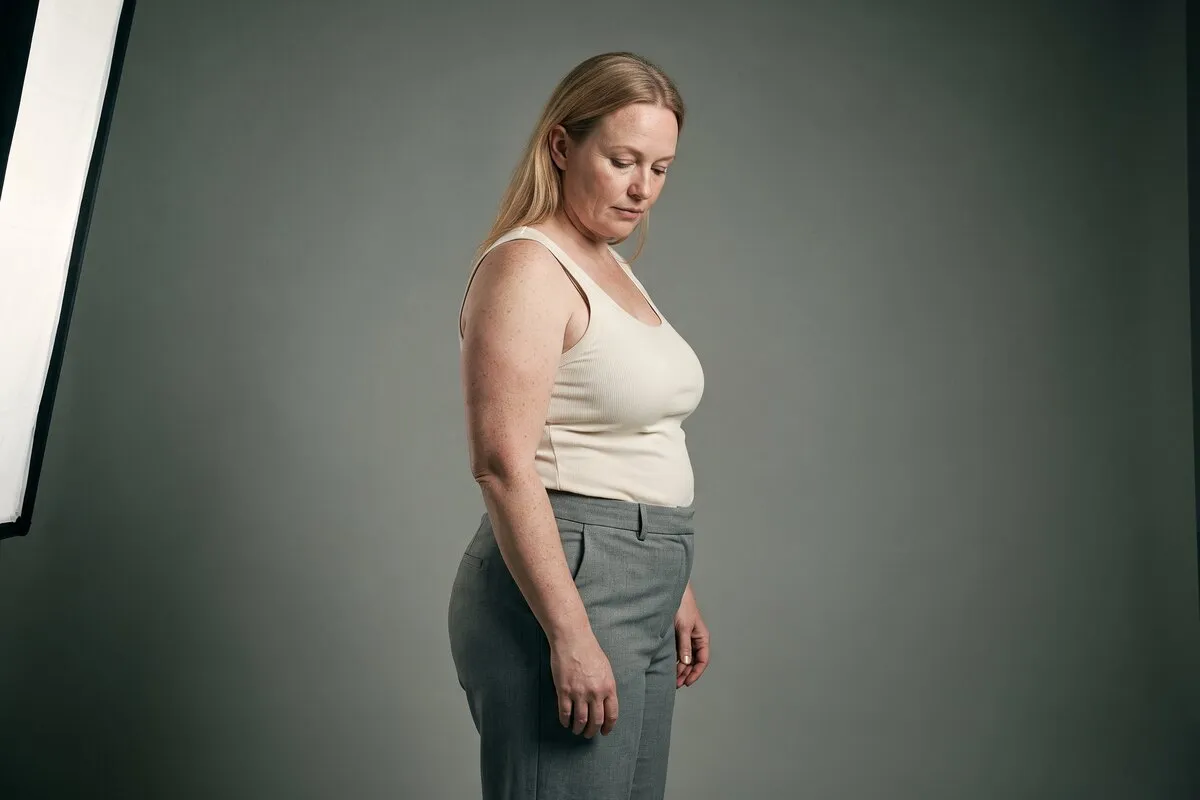
Body Contouring and Fat Reduction: Which Treatment Is Right for You?
The difference between fat reduction, muscle toning, cellulite treatment and lymphatic support at LRC. How to identify which concern you're addressing and which treatment matches it.
22 May 2026

Patient Guide: Body Ballancer Lymphatic Drainage Therapy
How the Body Ballancer uses sequential pneumatic compression to support lymphatic drainage, reduce fluid retention and assist recovery after body treatments. What it does, and what it doesn't.
22 May 2026

Fractora Radiofrequency Microneedling Near Southwell: Planning the Downtime
Fractora is the treatment on our menu with real recovery attached to it. What two to five days of downtime looks like, how to fit it around a working week, and when a gentler device is the better answer.
5 August 2026