Patient Guide: LipoContrast Cryolipolysis for Localised Fat Reduction
How cryolipolysis uses controlled cold to permanently reduce fat cells in localised deposits. What to expect, realistic results, known risks, and who the treatment suits.
Published 22 May 2026
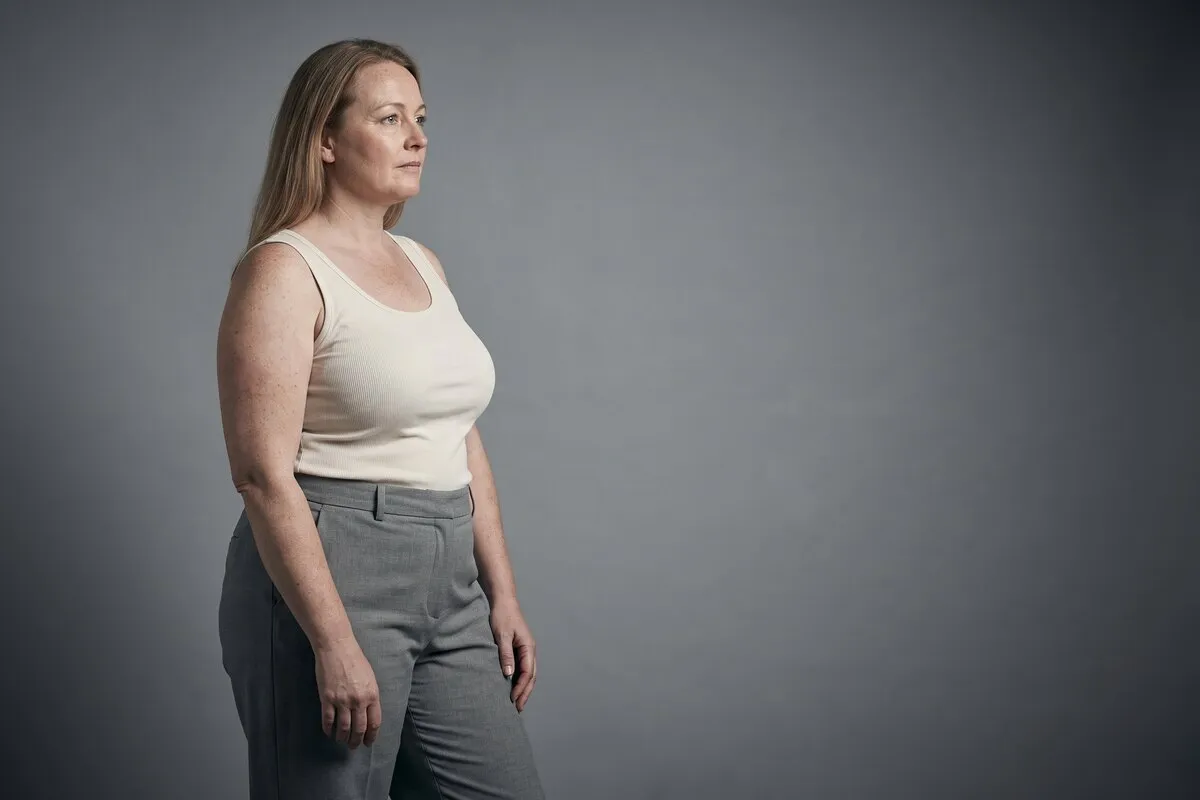
The clinical rationale for cryolipolysis rests on a straightforward biological observation: fat cells are significantly more sensitive to cold-induced cell death than the skin, connective tissue, nerves and muscle that surround them. Adipocytes begin to undergo apoptosis, programmed cell death, at temperatures that cause no meaningful damage to adjacent tissue. That differential sensitivity is what makes it possible to cool a localised fat deposit from the outside, destroy a proportion of the fat cells within it, and leave everything else intact.
LipoContrast is the cryolipolysis platform we use at The London Road Clinic. This article explains the mechanism, what a treatment course involves, what results look like and when, and the known risks including one that is frequently omitted from clinic-facing content. I’d rather you read that section here than encounter it unexpectedly.
How Cryolipolysis Works
The treatment applies a controlled cooling applicator to the skin surface over the target fat deposit. Suction draws the tissue into the applicator cup, bringing the fat into close contact with the cooling elements. The temperature of the fat layer is progressively reduced, typically into the range of minus four to minus ten degrees Celsius, held there for the treatment cycle duration.
At this temperature, a crystallisation process begins within the lipid-rich environment of the fat cell. This triggers an inflammatory cascade that leads to apoptosis of the affected adipocytes over the days and weeks that follow treatment. The body’s immune system then clears the dead cells via the lymphatic system, with macrophages engulfing the cellular debris and the process running to completion over 8 to 12 weeks.
The surrounding skin and tissue is not significantly affected. The epidermis and dermis contain far less lipid and their cells tolerate these temperatures without undergoing the same apoptotic cascade. This selectivity is the mechanism that makes cryolipolysis non-surgical: only the fat is meaningfully disrupted.
The fat cells that are destroyed do not regenerate. The reduction in fat cell number in the treated area is permanent. This is a clinically important distinction from, say, diet and exercise, which reduce the size of fat cells rather than their number. Cells that remain, however, can still expand with weight gain, which is why weight stability is important to sustaining results.
What LipoContrast Treats
Cryolipolysis is appropriate for subcutaneous fat: the fat that sits beneath the skin and above the muscle, that you can pinch between your fingers. It is not appropriate for visceral fat, the fat stored around the internal organs deep within the abdominal cavity. A firm, non-pinchable abdomen where fat is primarily visceral will not respond to cryolipolysis.
Common treatment areas include:
- Lower abdomen, the most frequently treated area, particularly the lower pouch that persists in many patients despite healthy weight
- Flanks, the area at the sides of the waist, sometimes called love handles
- Inner thighs, a common area of fat that is structurally resistant to diet and exercise in many patients
- Outer thighs, the saddlebag area
- Upper arms, the area of brachial fat that creates fullness at the upper arm
- Bra strap area, fat at the back and sides of the chest
- Submental area, under the chin (double chin), treated with a specific applicator
The applicator must be able to draw the tissue into a suction cup for treatment to proceed. Areas where the fat is too flat, too hard, or where there is insufficient tissue to create a good seal, are not treatable. We assess this at consultation by examining the target area directly.
Who Cryolipolysis Suits
Cryolipolysis works best in a specific patient profile, and the consultation is partly about confirming whether this profile applies.
The right candidate is at or near their healthy weight, with one or more localised fat deposits that persist despite appropriate diet and exercise. These are the anatomically stubborn areas where fat cell distribution is less responsive to energy deficit than elsewhere in the body. The concern is localised volume, not overall body weight or fat percentage.
The wrong application is as a weight loss treatment. Cryolipolysis reduces the fat cell population in a specific area; it does not produce systemic fat reduction or meaningful change in total body weight. Patients who are significantly above their healthy weight and hoping for a slimming effect will see limited results and limited satisfaction. The appropriate starting point in those cases is weight management, with body contouring reconsidered once weight is stable.
We say so at consultation, including where the treatment is likely to deliver well and where it isn’t. The body contouring guide sets out the full treatment decision framework.
The Treatment Experience
A standard LipoContrast session begins with the consultation and assessment of the target area. A gel pad is placed on the skin to protect it, then the applicator is positioned and suction applied. The initial sensation of suction and cold is typically the most intense part of the treatment; it normalises within the first few minutes as the area becomes numb.
Each applicator cycle runs for 35 to 60 minutes depending on the area and protocol. Some sessions treat multiple areas by using more than one applicator simultaneously or sequentially; a treatment covering two flanks and the lower abdomen, for example, takes a full session rather than requiring three separate appointments.
Immediately after the applicator is removed, the treated area is typically massaged for several minutes. This manual disruption of the crystallised tissue has been shown to enhance the apoptotic effect and improve the eventual result. The area looks red, may feel firm to the touch, and is temporarily numb. These effects resolve over a few hours to days.
Patients return to normal activity the same day. There’s no required downtime.
What to Expect and When
This is the section that most frequently misaligns patient expectations. Cryolipolysis results are not visible immediately, or in the first weeks. The apoptosis and immune clearance process takes time.
The timeline looks like this:
- Weeks 1 to 4: little or no visible change. The apoptotic process is underway internally; the dead cells have not yet been cleared.
- Weeks 4 to 8: the first visible reduction begins to appear as clearance progresses. Some patients begin to notice clothing fitting differently.
- Weeks 8 to 12: the main visible result develops. Circumference reduction and contour change become apparent.
- Beyond week 12: results continue to consolidate. The full effect of a single session is typically assessed at 12 weeks.
We recommend reviewing results at 12 weeks before planning additional sessions. A second session in the same area can produce further reduction; the decision on whether to proceed is based on the result at the 12-week review and the patient’s goals.
Combining Cryolipolysis with Other Treatments
LipoContrast sits within LRC’s body treatment cluster and works well in combination with other devices.
LipoContrast followed by InShape. Fat reduction followed by muscle development. Cryolipolysis reduces the overlying fat deposit; once the result has settled at 8 to 12 weeks, InShape HIFEM builds definition in the underlying muscle. The combination produces a result neither treatment achieves alone.
LipoContrast followed by EmTone. Cryolipolysis reduces fat volume; as the fat layer reduces, any overlying cellulite may become more visible and the skin may benefit from quality support. EmTone addresses the cellulite structure and skin texture alongside or after the fat reduction.
Body Ballancer throughout. Body Ballancer lymphatic drainage supports the clearance of the destroyed fat cells and may reduce the temporary puffiness some patients notice in the weeks following treatment. We recommend it as part of a recovery protocol for patients wanting to optimise their results.
Known Risks and Complications
Cryolipolysis has a well-established safety profile, and the side effects most patients experience are temporary. There is, however, one less common complication that I want to address directly because it is often not mentioned in clinic-facing content.
Common, temporary side effects:
- Redness, bruising and temporary swelling at the treatment site, resolving within days to a week
- Numbness and reduced sensation in the treated area, typically resolving over several weeks as nerve function returns
- Tingling, cramping or aching in the first few days
- Temporary hardness or firmness of the treated tissue
Paradoxical adipose hyperplasia (PAH). This is a rare but documented complication of cryolipolysis in which the treated area paradoxically enlarges rather than reduces over the weeks and months following treatment. The exact mechanism isn’t fully understood. The affected fat takes on a firm, stick-butter-like consistency and may become visible as a discrete enlargement in the shape of the applicator used.
PAH cannot be reversed with further cryolipolysis. It requires surgical intervention, typically liposuction, to correct. The reported incidence is low, and risk factors include male sex, though it has been reported across all patient groups. Any patient who notices an increase in volume in the treated area over the weeks following treatment, rather than the expected reduction, should contact us promptly so we can assess and advise on next steps.
We discuss this risk at consultation. Informed consent for cryolipolysis at LRC includes an explicit discussion of PAH, and we won’t proceed to treatment without it.
Less common concerns:
- Skin sensitivity or altered pigmentation in the treatment area, typically temporary
- Vasovagal response (feeling faint or nauseous) immediately after treatment, particularly after submental treatment
- Rarely, paradoxical increase in subcutaneous fat as described above
Contraindications
LipoContrast is not appropriate for all patients. Specific contraindications include:
- Cryoglobulinaemia, cold agglutinin disease, or paroxysmal cold haemoglobinuria: rare blood protein disorders where cold exposure causes significant adverse systemic effects
- Cold urticaria: skin reactions triggered by cold
- Raynaud’s phenomenon: requires individual assessment
- Pregnancy
- Open wounds, active skin infection or inflammatory skin condition in the treatment area
- Impaired sensation in the treatment area
- Hernia in the abdominal area for abdominal treatment
- Active malignancy in the treatment area
- Recent surgery in the treatment area
We take a clinical history at consultation and examine the treatment area before confirming suitability.
Frequently Asked Questions
How long until I see results from cryolipolysis?
Is LipoContrast the same as CoolSculpting?
Does cryolipolysis hurt?
How many sessions will I need?
Will the fat come back?
Can it treat my stomach?
What is paradoxical adipose hyperplasia?
Can cryolipolysis replace surgery for fat removal?
Related reading
Cryolipolysis treats a defined pocket of fat and will not address overall weight. A consultation measures the area and tells you whether it is suitable.
Treatments that may help
Related advice

LipoContrast in Newark: What Non-Surgical Fat Reduction Can and Cannot Do
LipoContrast is not liposuction, not a weight-loss treatment and not an injectable. What thermal-shock fat reduction does to a pinchable pocket, how long the change takes, who it suits, and the four situations where we say no.
5 August 2026
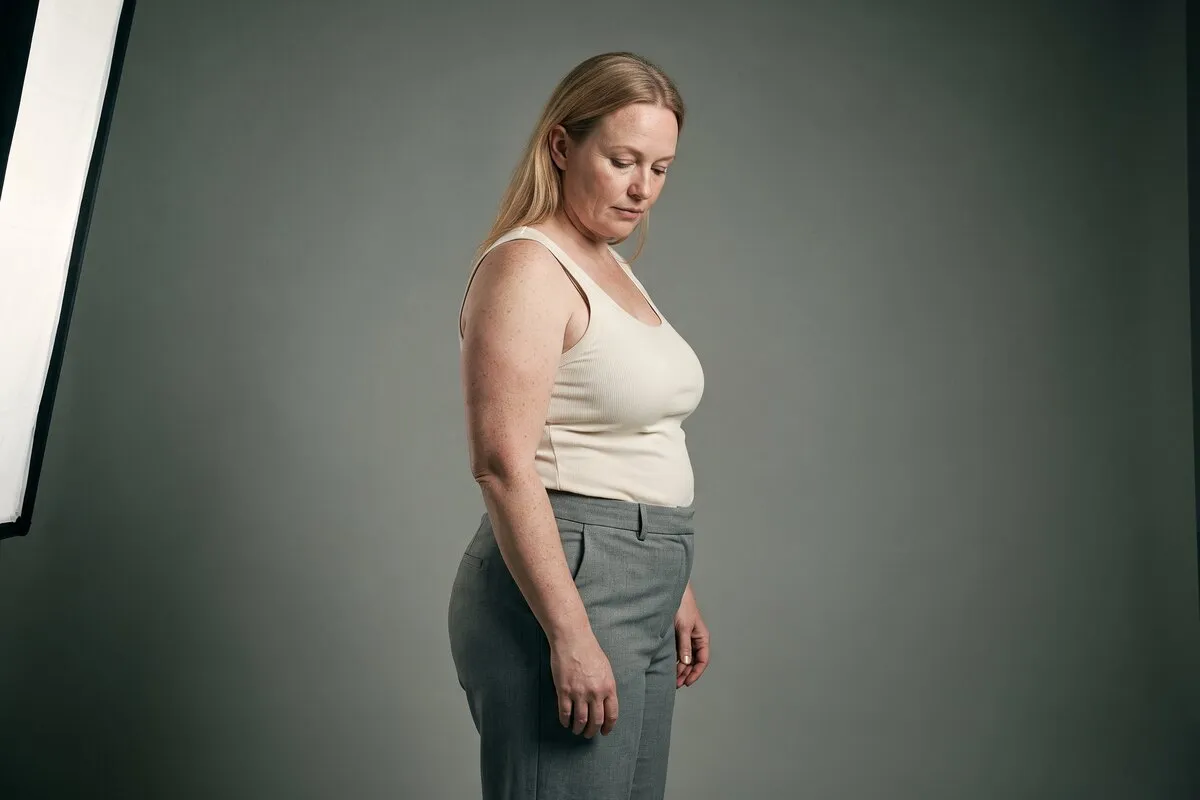
Body Contouring and Fat Reduction: Which Treatment Is Right for You?
The difference between fat reduction, muscle toning, cellulite treatment and lymphatic support at LRC. How to identify which concern you're addressing and which treatment matches it.
22 May 2026

Patient Guide: InShape HIFEM for Muscle Toning and Body Definition
How InShape uses high-intensity focused electromagnetic energy to produce supramaximal muscle contractions, what it treats, and where it fits alongside fat reduction and cellulite treatment.
22 May 2026