Body Contouring and Fat Reduction: Which Treatment Is Right for You?
The difference between fat reduction, muscle toning, cellulite treatment and lymphatic support at LRC. How to identify which concern you're addressing and which treatment matches it.
Published 22 May 2026
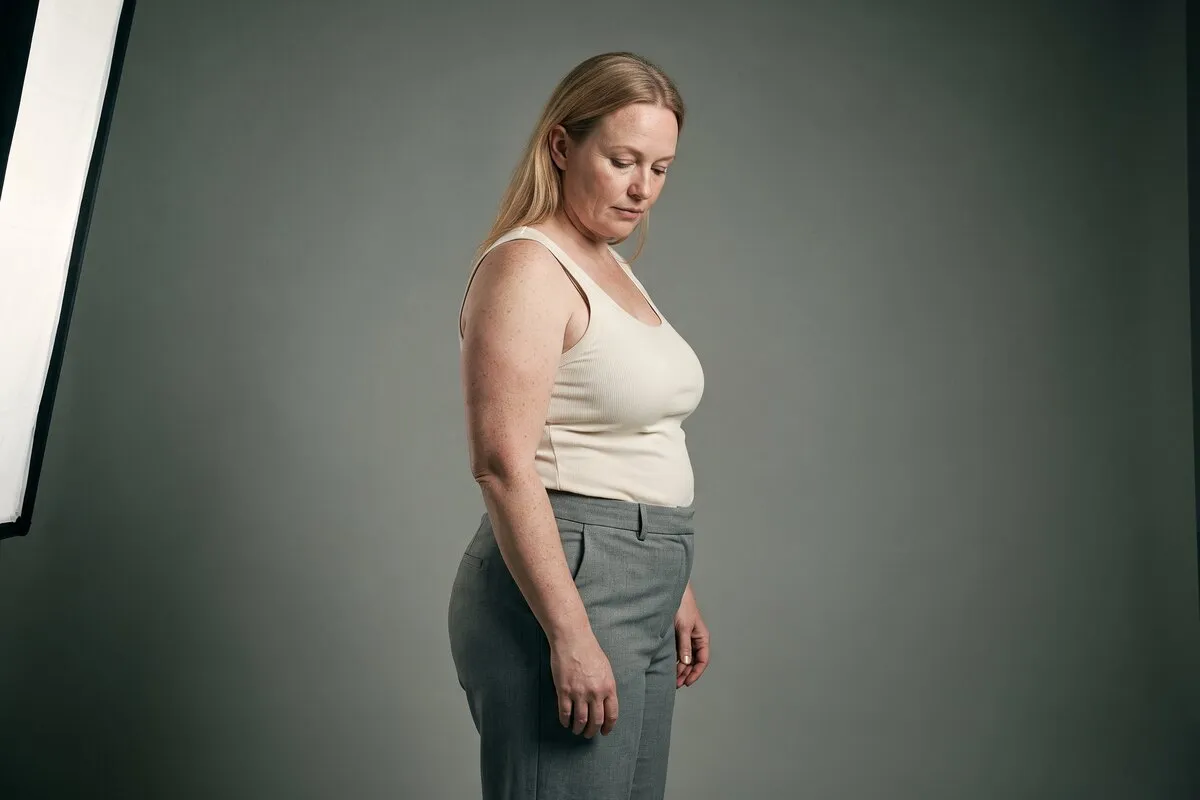
“Body contouring” is a term that covers at least four clinically distinct things, and the treatments that address each one are completely different from each other. Patients who arrive knowing they want to “tone up” or “get rid of this bit” are often surprised to find that the conversation at consultation begins not with which device we’ll use, but with a more basic question: what is the thing you’re trying to address?
The answer matters because applying the wrong treatment to the right area produces a poor result and an expensive lesson. A cryolipolysis device reduces fat cells; it doesn’t build muscle definition or improve the dimpled surface of cellulite. A muscle-stimulation device builds and strengthens muscle; it doesn’t reduce the fat layer above it significantly or treat cellulite. A cellulite treatment works on the structural causes of skin texture; it doesn’t reduce a fat bulge. The right result comes from matching the treatment to the actual concern, sometimes with a single device, often with a considered combination.
This article sets out the four categories of body concern we treat at LRC, the treatments that address each, and how we think about combining them.
The Four Concerns
Before we describe any device, it’s worth spending a moment distinguishing the concerns, because many patients conflate two or three of them into a single presenting complaint.
Localised fat deposits. Areas of fat that persist despite being at or near a healthy weight. Common locations: lower abdomen, flanks, inner thighs, outer thighs, upper arms, bra strap area, double chin. These are anatomically stubborn because the fat cells in these areas are more resistant to mobilisation by diet and exercise than fat cells elsewhere. The concern here is volume and circumference.
Muscle tone and definition. A patient at a healthy weight, without excess fat, but with reduced muscle mass or definition in a target area. Abdominal tone is the most common presentation, also buttock firmness and upper arm definition. The concern here isn’t fat; it’s the muscle underneath.
Cellulite and skin texture. The dimpled, irregular texture of skin on the thighs, buttocks and abdomen caused by the structural relationship between fibrous bands, fat, and skin. Cellulite is not a fat problem. Lean patients can have significant cellulite. The concern here is texture, not volume.
Fluid retention and sluggish circulation. Puffy ankles, heavy legs, post-treatment swelling, lymphoedema adjacent presentations. The concern here is circulation and lymphatic drainage.
Most patients have more than one of these at once. The consultation is where we map the proportion of each and sequence the treatments accordingly.
Localised Fat: LipoContrast
LipoContrast is our cryolipolysis platform. Cryolipolysis uses controlled cold to selectively destroy fat cells. Fat cells are more sensitive to cold-induced apoptosis than surrounding tissue, which means the device can be targeted to a fat deposit and will destroy a meaningful proportion of the fat cells in that area without damaging the skin or surrounding structures above.
The destroyed fat cells are cleared by the body over 8 to 12 weeks following treatment, which is why results aren’t immediate. The circumference reduction and contour change become visible gradually over that period and continue developing until the clearance process is complete.
LipoContrast is most appropriate for patients who are at or near a healthy weight with isolated, pinchable fat deposits. It isn’t a weight loss treatment. It doesn’t produce a systemic reduction in body fat. The patients who see the most satisfying results are those who’ve addressed the broader picture of weight and lifestyle and are looking to address a specific anatomical area that doesn’t respond proportionally to that effort.
Multiple areas can be treated in the same appointment. Repeat sessions in the same area can increase the effect. We confirm the plan at consultation based on the site, thickness and character of the deposit.
Muscle Tone and Definition: InShape
InShape uses high-intensity focused electromagnetic (HIFEM) energy to stimulate muscle contractions at a frequency and intensity that can’t be replicated voluntarily. A single 30-minute session produces thousands of supramaximal muscle contractions in the target area, which drives muscle fibre recruitment, hypertrophy and definition.
InShape is not primarily a fat-reduction treatment, though some studies suggest secondary effects on the overlying fat layer. The primary mechanism is muscle remodelling. It’s the appropriate treatment when the concern is muscle tone, firmness or definition rather than volume or fat.
The most common areas for InShape at LRC are the abdomen, buttocks and thighs. A standard course is typically 4 sessions over 2 weeks, with results building over the following weeks as muscle remodelling completes. Maintenance sessions are usually annual or biannual.
InShape sits alongside fat reduction and cellulite treatment well. A patient who has completed a LipoContrast course to reduce an abdominal fat deposit may then use InShape to build definition in the underlying muscle. The two work in sequence, not in competition.
Cellulite and Skin Texture: EmTone
EmTone uses a combination of radiofrequency and targeted pressure energy to address the four structural factors that produce cellulite: enlarged and herniated fat cells, rigid fibrous bands, reduced skin elasticity, and poor local circulation. Neither energy type alone produces the same effect as the combination, which is the clinical rationale for a dual-energy device.
EmTone is the right treatment when the concern is the texture and appearance of the skin rather than its volume. Patients describing dimpling, orange-peel texture, or uneven skin surface on the thighs or abdomen are describing cellulite and often also reduced skin quality. Both respond to EmTone.
A standard course is 4 sessions, once to twice weekly. Results develop during and after the course, with the full effect visible 6 to 8 weeks after the last session. Maintenance sessions every 3 to 6 months sustain the result.
EmTone is also well placed as a follow-on to LipoContrast. As the fat layer reduces after cryolipolysis, the cellulite above it may become more apparent and the skin may benefit from quality support. EmTone addresses both.
Lymphatic Support: Body Ballancer
The Body Ballancer is a compression therapy system that supports lymphatic drainage through a sequenced, pressure-wave massage applied via fitted garments to the legs, abdomen or upper body. Lymphatic drainage supports the clearance of metabolic waste and excess fluid from tissues.
At LRC, we use Body Ballancer in three contexts. As a standalone treatment for patients with heavy legs, puffiness, or sluggish circulation related to a sedentary lifestyle or prolonged sitting. As a post-treatment support following cryolipolysis, to assist the clearance of destroyed fat cells and reduce any swelling in the treated area. And as a maintenance tool for patients on an ongoing body wellness programme.
Body Ballancer doesn’t reduce fat or build muscle. Its contribution is to the circulatory and recovery environment in which other treatments work. Patients who combine it with EmTone or LipoContrast often recover faster and notice a reduction in post-treatment puffiness.
Combining Treatments
The most clinically complete results usually come from addressing more than one concern in sequence. Some of the combinations we plan at LRC:
Localised fat and overlying cellulite. LipoContrast first to reduce the fat deposit, then EmTone to address cellulite and skin quality as the result becomes visible. Body Ballancer alongside to support clearance and drainage.
Fat reduction and muscle definition. LipoContrast to reduce the fat layer, followed by InShape to build definition in the underlying muscle once the fat reduction has settled. Most commonly used for the abdomen.
Cellulite and skin quality as the primary concern. EmTone as the primary treatment, Body Ballancer to support circulation. No fat-reduction device needed if volume isn’t the issue.
Post-pregnancy body concerns. For postnatal patients who’ve been appropriately cleared, a combination of EmTone for skin texture, InShape for abdominal muscle support, and Body Ballancer for circulation is common. The post-pregnancy body concerns guide covers timing and the specific considerations for this group.
Sequencing matters as much as selection. We plan the order at consultation based on which concern is primary, what the recovery requirements are, and what timeline the patient is working towards.
What Non-Surgical Body Treatment Cannot Do
Non-surgical body treatments work within a specific range. Being honest about that range matters.
They are not a substitute for weight loss. If a patient is meaningfully above their healthy weight, non-surgical body contouring will produce limited and less sustainable results. The devices we use work best in patients who are at or near their target weight and are addressing residual anatomy that doesn’t respond proportionally to lifestyle management.
They cannot address excess skin. Significant redundant skin, particularly following major weight loss or after pregnancy, often has a surgical solution if it’s causing functional or significant aesthetic concern. Device-based treatment can improve skin quality and reduce laxity in the early stages, but it cannot achieve what a body contouring surgical procedure can where significant excess tissue is present. We refer to surgical colleagues where that conversation is appropriate.
Results require maintenance. Fat cells that remain in treated areas can expand with weight gain. Cellulite can recur with changes in weight, hormonal status or reduced physical activity. Muscle stimulation effects reduce without ongoing exercise or periodic maintenance. Non-surgical body contouring produces real results, but sustaining them requires attending to the underlying variables.
Who Is Best Placed for Non-Surgical Body Treatment
The patients who see the most satisfying outcomes are those who:
- Are at or near a healthy weight, with specific areas of concern rather than overall fat reduction as the goal
- Have realistic expectations about the degree of change achievable without surgery
- Are committed to supporting results with appropriate lifestyle habits
- Come to consultation understanding that one device doesn’t do everything, and that the plan may involve more than one treatment
We’re not in the business of telling patients what they want to hear at consultation. If the degree of change someone hopes for requires a surgical assessment, we’ll say so, explain why, and refer accordingly.
Frequently Asked Questions
Will body contouring help me lose weight?
Can I treat multiple areas in the same appointment?
How long do body contouring results last?
Is body contouring suitable after pregnancy?
What if I want to reduce fat and build muscle in the same area?
Can men have these treatments?
Do I need to do anything differently to maintain the results?
Related reading
Fat reduction and muscle toning do different jobs, and the right choice depends on what you are measuring. A consultation works out which of the two your concern needs.
Treatments that may help
Related advice

Patient Guide: EmTone for Cellulite and Skin Texture on the Body
How EmTone's combination of radiofrequency and targeted pressure energy addresses the four structural causes of cellulite. What to expect from a course, and what the treatment can and can't do.
22 May 2026

Patient Guide: InShape HIFEM for Muscle Toning and Body Definition
How InShape uses high-intensity focused electromagnetic energy to produce supramaximal muscle contractions, what it treats, and where it fits alongside fat reduction and cellulite treatment.
22 May 2026
Patient Guide: LipoContrast Cryolipolysis for Localised Fat Reduction
How cryolipolysis uses controlled cold to permanently reduce fat cells in localised deposits. What to expect, realistic results, known risks, and who the treatment suits.
22 May 2026