Patient Guide: Lumecca IPL for Pigmentation, Redness and Sun Damage
A consultation-led guide to Lumecca IPL: what it treats, how we assess suitability, what to expect from a course, and the limits of what light-based treatment can do.
Published 22 May 2026
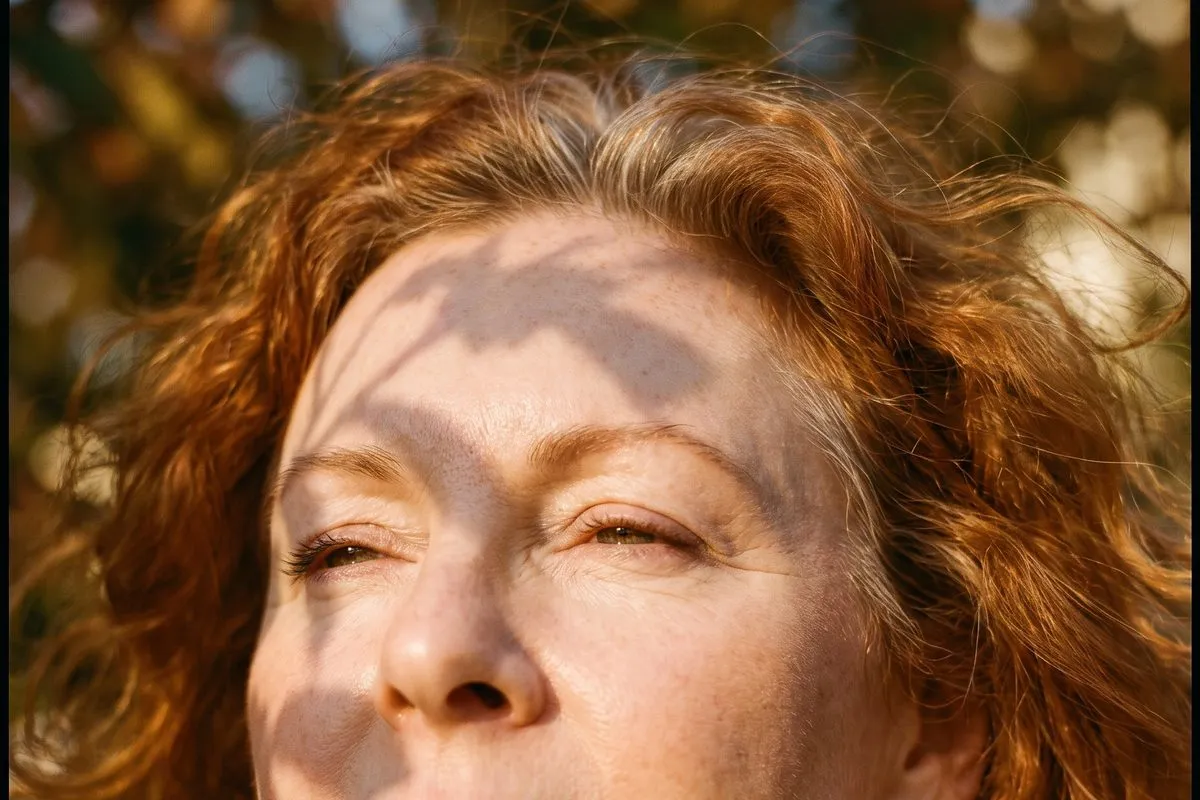
When a patient sits down at our consultation room and tells me they want to “get rid of their sun damage”, what I want to know first isn’t which device we’ll be using. It’s what’s on their skin, what’s underneath it, what’s caused it, what they’ve tried, and what they want their skin to look like in twelve months. That conversation, and the Observ 520 skin analysis that goes with it, is what makes the difference between a Lumecca course that delivers and one that disappoints.
Lumecca, by InMode, is the IPL platform we use at The London Road Clinic for pigmentation, sun damage, vascular conditions, redness and rosacea-related flushing. It’s well engineered, well evidenced and capable of producing some of the most visually obvious results of anything we do. It is not, however, a one-size-fits-all device, and it isn’t the right answer for every patient who walks in with brown spots on their face. This guide sets out what it does, who it suits, who it doesn’t, and what to expect.
What Lumecca Is
Lumecca is an intense pulsed light (IPL) device. IPL is not a laser, even though patients often use the terms interchangeably. A laser emits a single wavelength of light, very precisely focused on one target. IPL emits a broad spectrum of wavelengths, filtered to target several chromophores at once, primarily melanin in pigment and haemoglobin in blood vessels. Both work via selective photothermolysis: the light is absorbed by its target, converted to heat, and that heat damages the target while sparing the surrounding skin.
What makes Lumecca different from older-generation IPL devices is the energy it delivers per pulse and the speed of those pulses. It’s a high-output platform with shorter pulse durations than legacy IPLs, which means more energy reaching the target before heat dissipates into surrounding tissue. In practice, that translates to fewer sessions for many patients and a stronger response on stubborn pigment.
For a longer comparison of the underlying physics, the laser vs IPL guide sets out where each technology earns its place.
What Lumecca Treats Well
Lumecca works on the things you can see and on some of the things you can’t quite see yet. The most common reasons patients book a Lumecca consultation with me are:
- Sun damage and solar lentigines (the brown spots that appear on cheeks, temples, hands and chest after years of UV exposure)
- Freckling that has darkened or spread
- Diffuse redness and flushing, including rosacea-related erythema
- Telangiectasia (the small visible vessels around the nose, cheeks and chin)
- Post-inflammatory erythema, the lingering redness left behind by acne or other inflammation
- Vascular birthmarks in selected cases
- General skin tone improvement where damage is widespread but not severe
What patients often notice in addition to the obvious targets is an overall brightening and refinement of the skin’s surface, a side benefit of the controlled inflammation Lumecca produces. The skin looks fresher, not just less spotted.
For more detail on the pigment types Lumecca can and can’t address, the hyperpigmentation guide is the right next read. For rosacea-related redness specifically, the rosacea article sets out where IPL fits in a broader plan.
Why the Consultation Matters Before the Treatment
Pigmentation is the area where I see the most diagnostic mistakes in our industry. Several conditions that all look brown on the surface have very different underlying causes, and they respond very differently to light-based treatment. Treating the wrong condition with Lumecca can leave skin worse, not better.
This is why we run an Observ 520 scan at the consultation for any patient considering Lumecca. The Observ uses multiple light modes, including UV and cross-polarised, to reveal pigment density at different layers of the skin, vascular patterns under the surface, sun damage that hasn’t yet emerged, and the texture and pore structure that influence treatment response. It’s diagnostic, not cosmetic, and it changes the recommendation more often than patients expect.
Specifically, the consultation tells us whether what looks like sun damage is melasma, a hormone-influenced pigmentation pattern that often worsens with heat and light. It tells us whether redness is rosacea, post-inflammatory erythema, or background vascularity. It tells us your Fitzpatrick skin type, which determines the safe energy parameters. It also tells us whether any pigmented lesion looks suspicious enough to refer for dermatological review before any treatment is considered.
I’d rather have a frank conversation at consultation than book a course we’ll regret. About one patient in five who comes in asking for Lumecca leaves with a different recommendation, sometimes a different treatment, sometimes a course of medical-grade homecare first, sometimes a referral.
Who Suits Lumecca
Lumecca’s suitability comes down to four things: Fitzpatrick skin type, what’s on the skin, sun exposure history, and current skincare routine.
Skin type. Lumecca is most effective and safest in Fitzpatrick skin types I to III. In type IV, treatment can still be appropriate with careful test patching and conservative parameters. We don’t generally recommend Lumecca for Fitzpatrick V and VI, where the risk of post-inflammatory hyperpigmentation and burns is higher and where alternative approaches usually serve the patient better. The Nd:YAG 1064nm component of our Cynosure Elite+ laser is often the right answer for vascular concerns in darker skin types.
What’s on the skin. Surface-level epidermal pigment responds well. Dermal pigment, the kind that sits in deeper layers, responds variably or not at all. Melasma is the most important example, and we’ll discuss it separately below.
Sun exposure. Lumecca cannot be performed on recently tanned skin. We ask patients to avoid sun exposure for four weeks before treatment and to use a broad-spectrum SPF 50 daily throughout the course and after it. This isn’t optional. UV exposure between sessions undoes the work and increases the risk of complications.
Skincare routine. Patients on retinoids stop them for several days before each session. Patients using AHAs, BHAs or other actives that thin the stratum corneum need to pause those too. We give specific guidance at consultation. Beyond the pause, a medical-grade homecare routine improves the result, particularly the addition of pigment-modulating agents that work alongside Lumecca rather than in opposition to it.
What Lumecca Cannot Do
This is the section most clinics don’t write. Lumecca has clear limits, and being honest about them is the difference between a satisfied patient and a complaint.
Melasma. Melasma is driven by hormonal triggers and is heat-sensitive. Some pigment in melasma sits deeper than IPL can safely reach, and the heat from treatment can trigger a rebound flare. We’ll discuss this at consultation if your pigmentation pattern looks melasmatic. There are better routes for melasma, including topical regimens, chemical peels at carefully chosen depths, and strict photoprotection. For more, the hyperpigmentation guide sets out the differential.
Deep dermal pigment. Post-inflammatory hyperpigmentation that sits in the dermis, or older birthmarks, may not respond.
Structural changes. Lumecca treats colour, not contour. It doesn’t tighten skin, reduce lines or address volume loss.
Suspicious lesions. If a pigmented lesion shows any features that concern me, we refer for dermatological assessment before any treatment. The features we’re watching for are summarised in the standard ABCDE rule:
- Asymmetry: one half of the lesion doesn’t match the other
- Border: irregular, ragged, or poorly defined edges
- Colour: variation across the lesion, including reds, whites, blues or blacks within it
- Diameter: greater than 6mm, or any rapid increase in size
- Evolution: change in size, shape, colour, or symptoms over time, including itching or bleeding
If any of those features are present, the right next step is your GP or a dermatologist, not an aesthetic clinic.
Severe rosacea or active inflammation. Patients with severe, active rosacea sometimes need medical management first. We’ll work alongside a GP or dermatologist where appropriate.
What a Course Looks Like
Most patients have a course of two to four sessions, spaced approximately four weeks apart. Some need only one or two; some need more. The plan is set at consultation and revisited after the second session, when we can see how the skin is responding.
Each treatment takes 20 to 30 minutes. Cooling gel is applied to the treatment area. The Lumecca handpiece glides across the skin, delivering pulses that feel like a warm elastic band flick. Most patients tolerate it without topical anaesthesia. Areas with more vascular activity or denser pigment feel slightly more, the rest is comfortable.
Immediately after, the skin looks pink, sometimes a little swollen, and pigmented spots typically darken within minutes. This darkening is the treatment working: the pigment has absorbed the energy and is rising to the surface. Over the following 7 to 14 days, the darkened spots flake away. Some patients describe it as “coffee grounds” lifting off as they cleanse. Redness fades over 2 to 4 weeks for vascular targets.
Between sessions, the protocol matters. SPF 50 every morning, regardless of weather. Active ingredient regimens adjusted as we discussed. Avoidance of sun exposure, sunbeds, saunas and very hot showers for the first 48 hours after each treatment. The homecare between treatments guide covers the broader principles.
Aftercare
Aftercare for Lumecca is simple, and the simpler we keep it, the better the result.
- Gentle cleanser and barrier-supporting moisturiser for 48 hours
- Broad-spectrum SPF 50 daily, ideally a mineral SPF for the first week
- No retinoids, AHAs or BHAs for 5 to 7 days
- No exfoliation, picking or rubbing of the darkened spots: let them flake off in their own time
- No vigorous exercise, hot showers, saunas or hot yoga for 48 hours
- No further heat-generating treatments (steam facials, intense workouts in heat) for a week
If you’re unsure about a step, ask. We’d rather hear from a patient who’s checking than treat a complication that could have been avoided.
Pricing
Lumecca pricing depends on the area treated and the number of sessions required, and we set the plan at consultation. We’ll confirm current pricing on the Lumecca treatment page when we publish it. As a principle, we don’t quote a price before we’ve seen the skin.
How We Approach This at LRC
The patients who get the best results from Lumecca are the ones who treat it as one part of a broader skin plan, not a quick fix. The Lumecca sessions do the heavy lifting on visible pigment and vascular concerns. The medical-grade homecare and the daily SPF do the slow work of preventing recurrence. The annual maintenance, often one session a year for patients who’ve completed a course, holds the result.
I trained under Dr Zein Obagi in Los Angeles, where the approach is exactly this: assess the skin properly, treat it with the right device at the right energy, and protect what you’ve achieved. That’s the approach we run at LRC, and Lumecca sits inside it rather than alongside it.
Frequently Asked Questions
Is Lumecca a laser?
How many sessions will I need?
Is it safe for darker skin?
Does it hurt?
Can Lumecca treat melasma?
What's the downtime?
Will my pigmentation come back?
Should I have a Lumecca consultation if I have lots of moles?
Related reading
- Hyperpigmentation: types and treatment
- Laser vs IPL: a treatment comparison
- Rosacea: causes, treatment and management
- Sun damage prevention and SPF guide
- Dark spots on the body and hands
- Dull, tired-looking skin: causes and treatment
- What to expect at an aesthetic consultation
- Homecare between treatments
Lumecca suits particular pigment and vascular concerns and particular skin types. A consultation checks yours and plans the course around the time of year.
Treatments that may help
Related advice

Lumecca IPL in Nottinghamshire: The Right Time of Year to Start
Most Lumecca courses at our Newark clinic run between October and March, and there is a clinical reason for that. What the four-week sun rule means in practice, who the treatment suits, and where it will not help.
5 August 2026
Lumecca vs Cynosure Elite+: Which Device Is Right for Your Skin Concern?
A clinical comparison of Lumecca IPL and Cynosure Elite+ laser for pigmentation, redness, vascular concerns and skin tone. How to decide which is appropriate for your skin.
22 May 2026
Patient Guide: Dermalux LED Therapy for Skin Recovery, Acne and Rejuvenation
How Dermalux LED photobiomodulation works, what each wavelength does, and where it fits as a standalone treatment or alongside Fractora, microneedling and chemical peels.
22 May 2026
Sources (3)
- Intense Pulsed Light on skin rejuvenation: a systematic review. Archives of dermatological research, 2022. PubMed 34609598
- Interventions for rosacea based on the phenotype approach: an updated systematic review including GRADE assessments. The British journal of dermatology, 2019. PubMed 30585305
- Delphi consensus on melasma management by international experts and pigmentary disorders society. Journal of the European Academy of Dermatology and Venereology : JEADV, 2026. PubMed 40996222