Skin concern

Fine Lines & Wrinkles

Fine lines reflect reduced collagen, volume loss and repeated muscle movement. Clinical treatments address each contributing mechanism. The right combination depends on where lines sit and what is driving them.
Understanding the cause

What's happening in your skin

01

Three causes that often overlap

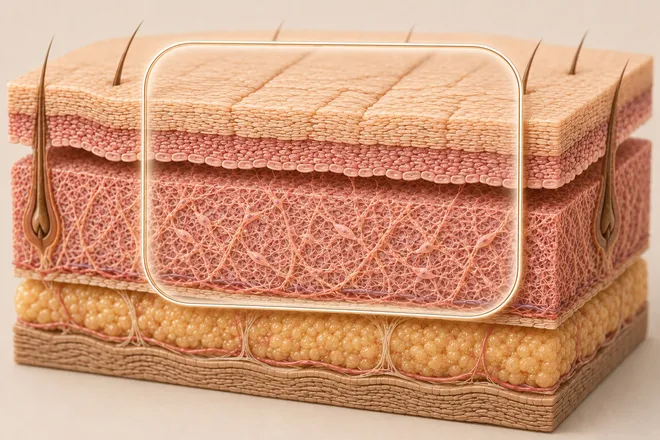
Dynamic lines, structural collagen loss and fat pad descent are three distinct mechanisms. Treating one without identifying the others limits the result.

Wrinkles are not one problem with one solution. Dynamic lines form through repeated muscle movement and gradually become fixed in the skin. Structural lines form as collagen and elastin degrade. Volume-related lines develop as fat pads thin and descend, causing overlying skin to fold. UV exposure accelerates all three.

02

One treatment rarely covers it

Most people with noticeable lines have two or three mechanisms active simultaneously. A single-modality approach addresses only one.

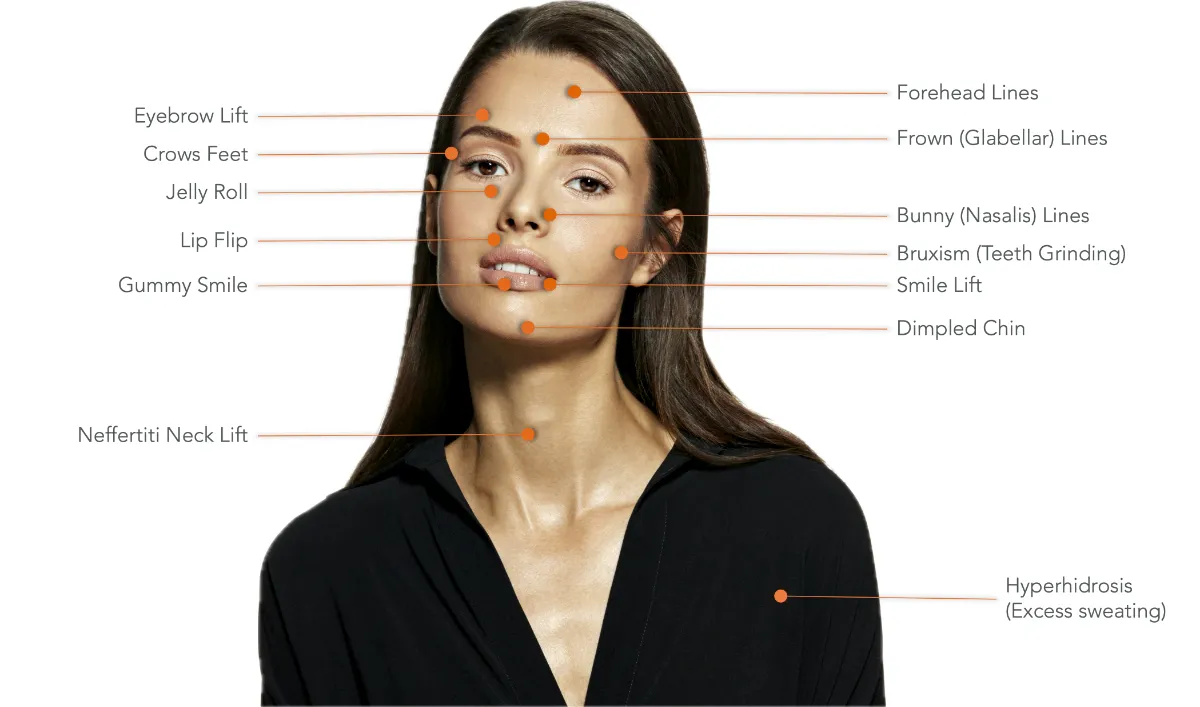
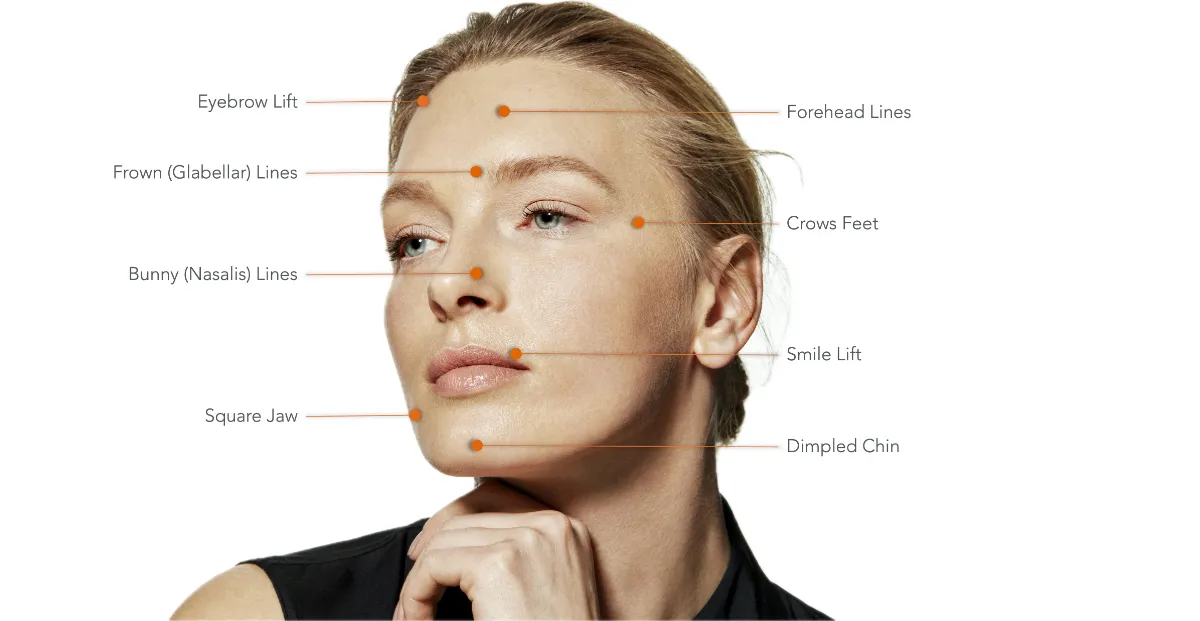
Anti-wrinkle injections reduce muscular activity driving dynamic lines but do nothing for structural or volume-related causes. Fillers replace lost volume but do not address skin quality above. Microneedling, chemical peels and radiofrequency stimulate collagen at the dermal level. Identifying which mechanisms are active comes first.

03

A plan for your presentation

A nasolabial fold often reflects midface volume descent, not a surface problem. Treating the fold directly without addressing the structure produces less natural results.

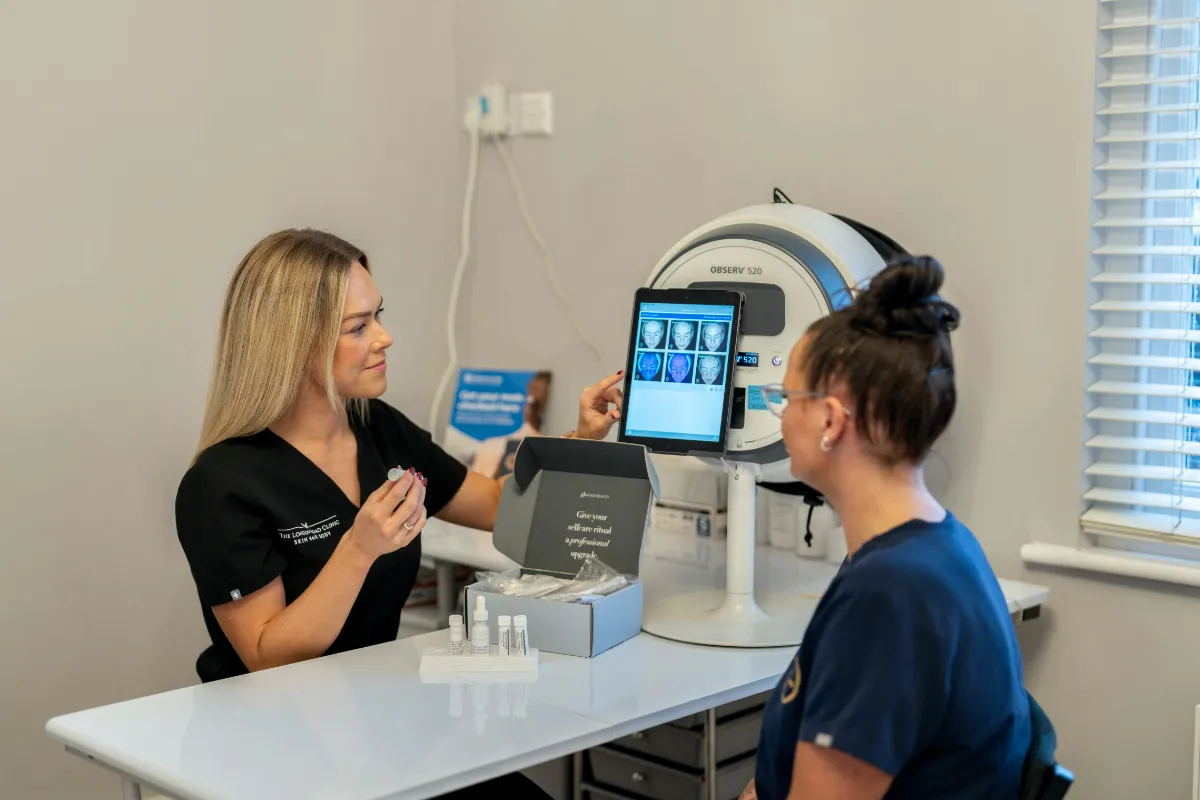
The right combination depends on where your lines sit and what is driving them. A purely dynamic frown line needs a different approach to one fixed in the skin over decades. At consultation, OBSERV skin analysis and clinical assessment determine which mechanisms are active before any treatment is recommended.
Recommended treatments

What we use for fine lines & wrinkles

Clinical perspective

The biggest shift I have seen in aesthetics over the past few years is the move away from treating individual lines in isolation toward treating the face as a whole. A single deep nasolabial fold, for example, is rarely just a fold: it reflects fat pad descent, volume loss in the midface and skin quality changes all at once. The most natural results come from addressing those underlying structural changes rather than filling the fold directly. That requires assessment first, not a menu.

Treat structure, not symptoms The whole face matters Natural results that last
Lydia Griffin, Clinic Director, The London Road Clinic

In their own words

I've recently had a course of three Polynucleotide for my face. I was nervous & uncertain however Lydia gave me 100% confidence in her knowledge & experience which gave me complete trust in her. The results in my skin are already showing... plumper, fewer deep lines and added radiance.
Mandy · with Lydia Griffin, Clinic Director · Feb 2025

Verified Fresha review. Displayed as submitted. Read all 1,400+ reviews →

Common questions

Frequently asked about fine lines & wrinkles

What is the difference between anti-wrinkle injections and fillers?
Anti-wrinkle injections work by temporarily reducing the muscle contractions that cause dynamic lines: crow's feet, frown lines, forehead lines. They do not add volume. Dermal fillers replace or add volume beneath the skin to lift, smooth and restore facial contour. The two are often used together, targeting different mechanisms in the same treatment plan. Which is appropriate for you depends on the type and location of the lines present.
What is a biostimulator and how does it differ from filler?
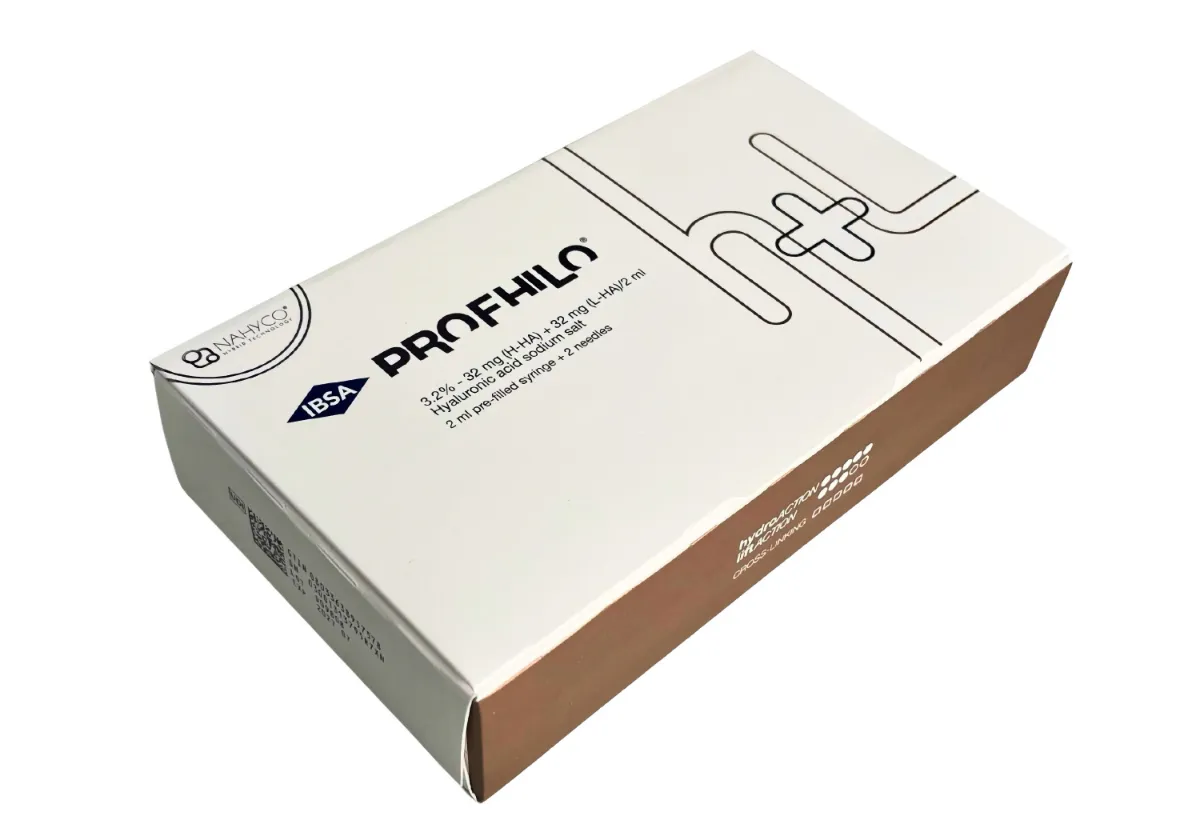
Biostimulators such as Profhilo and polynucleotides work by stimulating your own collagen and elastin production rather than physically filling a space. The result is an improvement in skin quality, hydration and firmness over weeks as the body responds. They are not intended to add structural volume and work differently from, and often alongside, traditional fillers.
How long do results last?
This varies by treatment. Anti-wrinkle injections typically last three to five months. Dermal fillers last six to twenty-four months depending on the product and area treated. Biostimulators and skin quality treatments produce results that build over several weeks and are sustained for six to twelve months. Your clinician will give you realistic timelines specific to your treatment plan.
Can I start with a non-injectable approach?
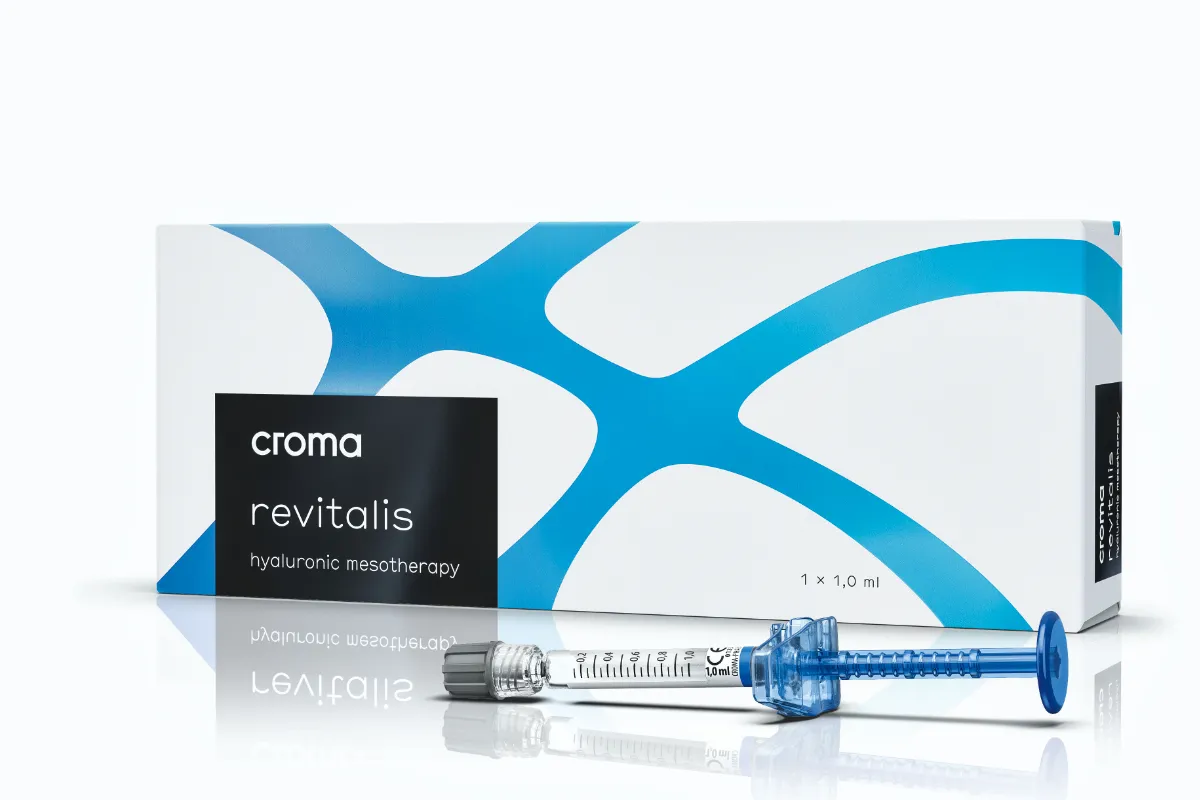
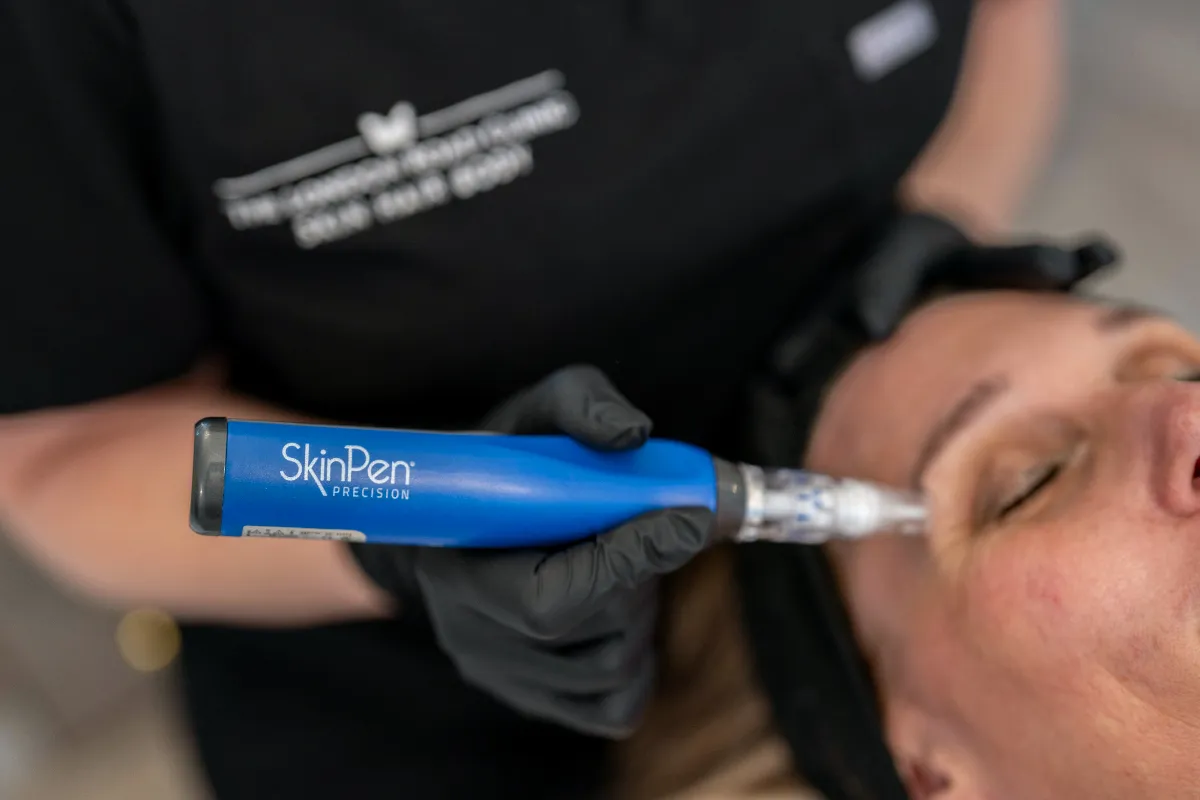
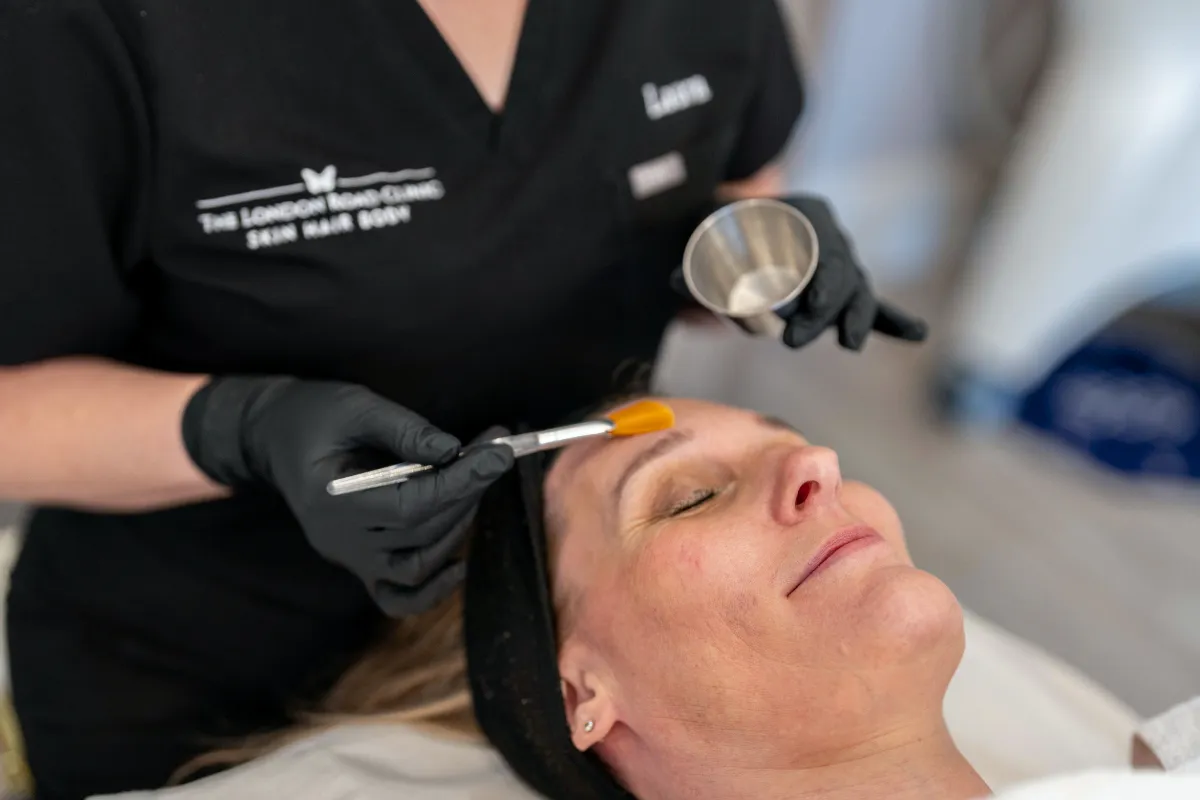
Yes. Treatments such as radiofrequency, chemical peels and microneedling improve skin quality and stimulate collagen without injectables. For many people, particularly those earlier in the ageing process or those who prefer to avoid needles, these are an appropriate starting point. Your clinician will recommend a pathway based on your skin assessment.
At what age should I start treating fine lines?
There is no universal answer. Prevention-focused treatment in the mid to late twenties and early thirties, primarily skin quality and sun protection, can delay the structural changes that become harder to address later. Intervention is more effective when structural loss is mild. Your clinician will advise based on your current skin assessment rather than your age.

Ready to take the next step?

Book a consultation

Your clinician will assess your skin, review your history and design a treatment plan matched to your specific presentation, not a generic protocol.

Following an in-person consultation with our prescribing clinician, in line with current GMC, NMC, GPhC and GDC guidance.

Medically reviewed by Dr Shahe Boghossian, Medical Consultant, GMC 5204600 . Last reviewed 21 May 2026.

Registered with & recognised by

Book a consultation WhatsApp