Body concern

Stubborn Fat

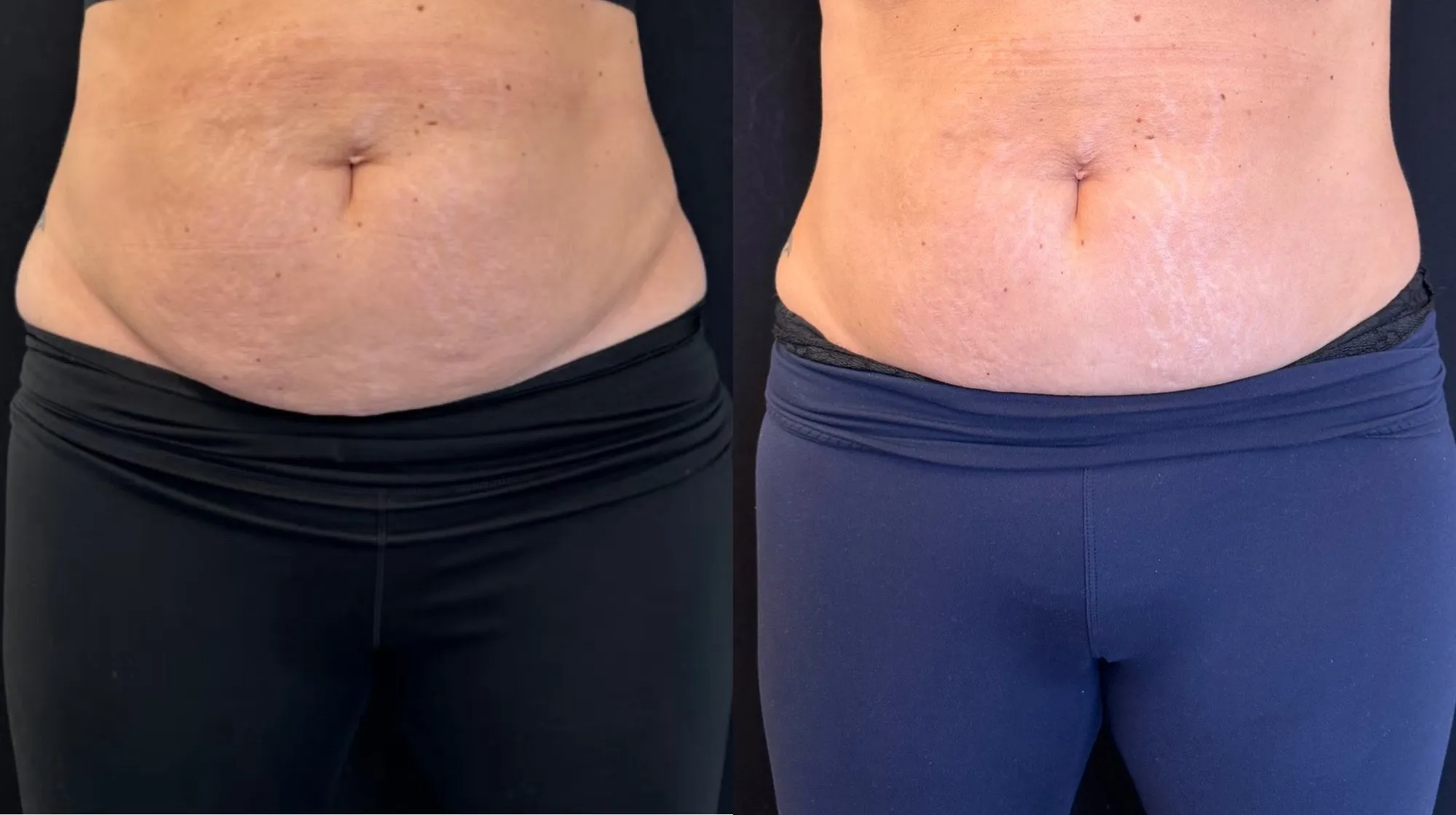
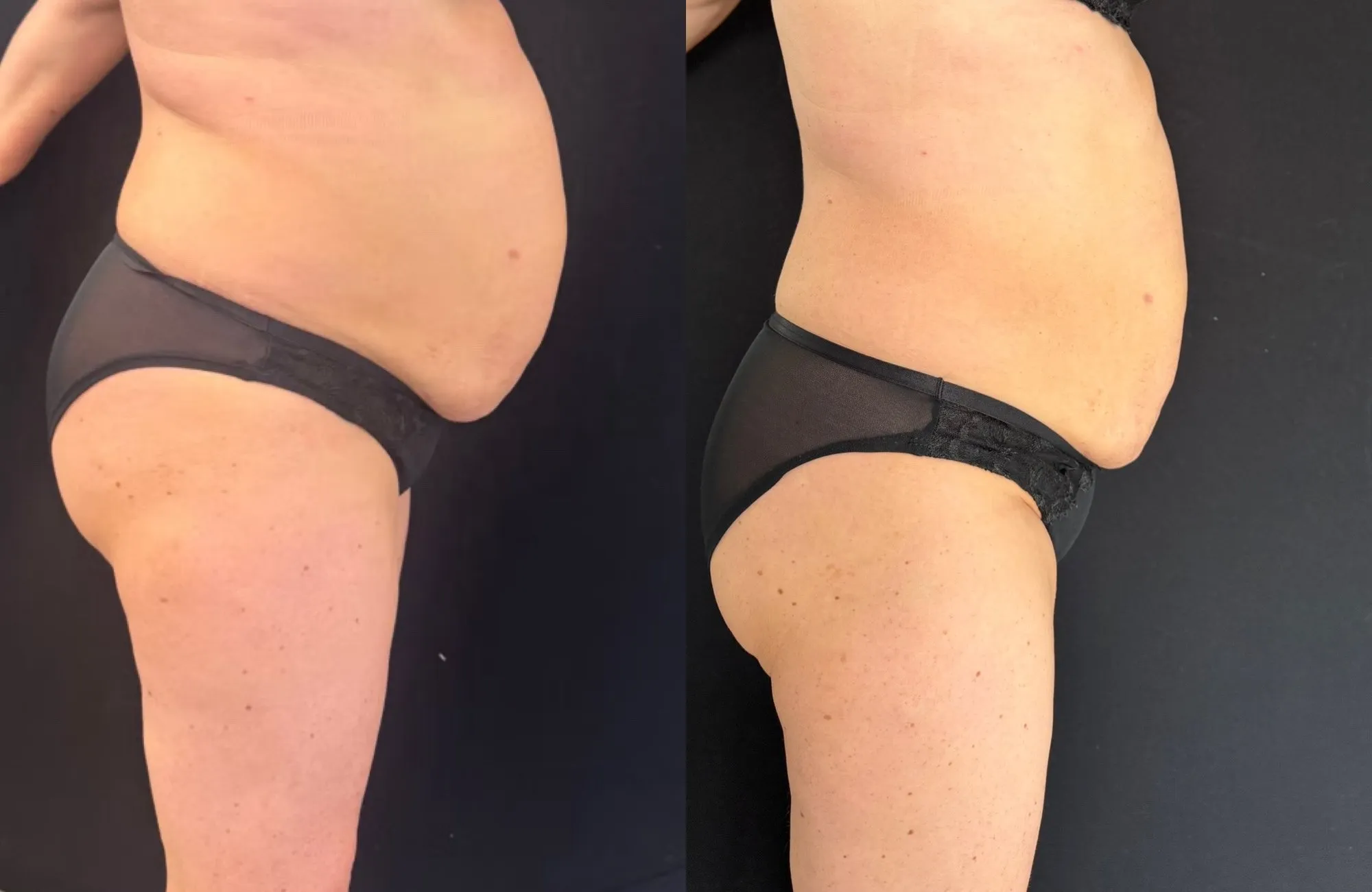
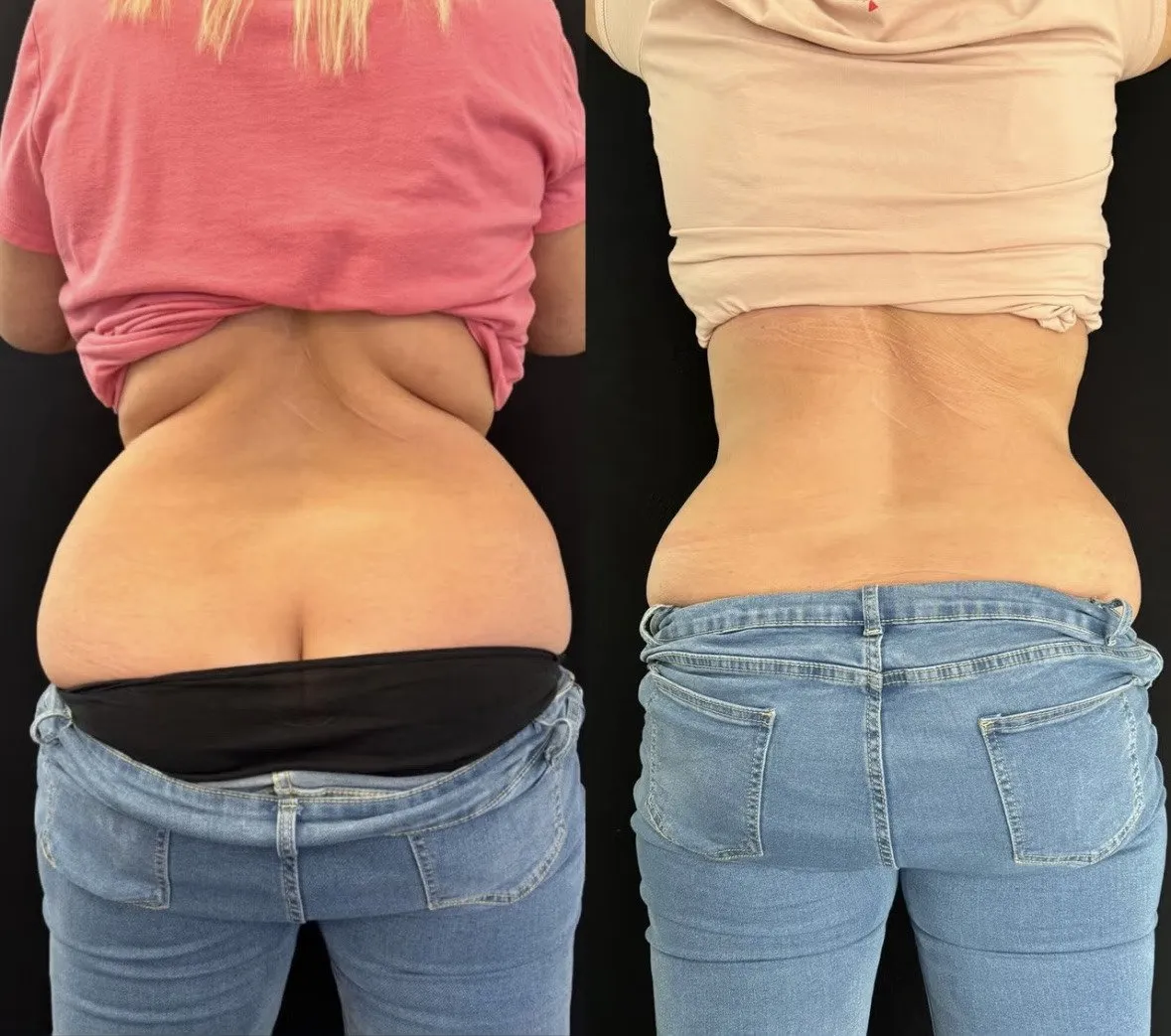
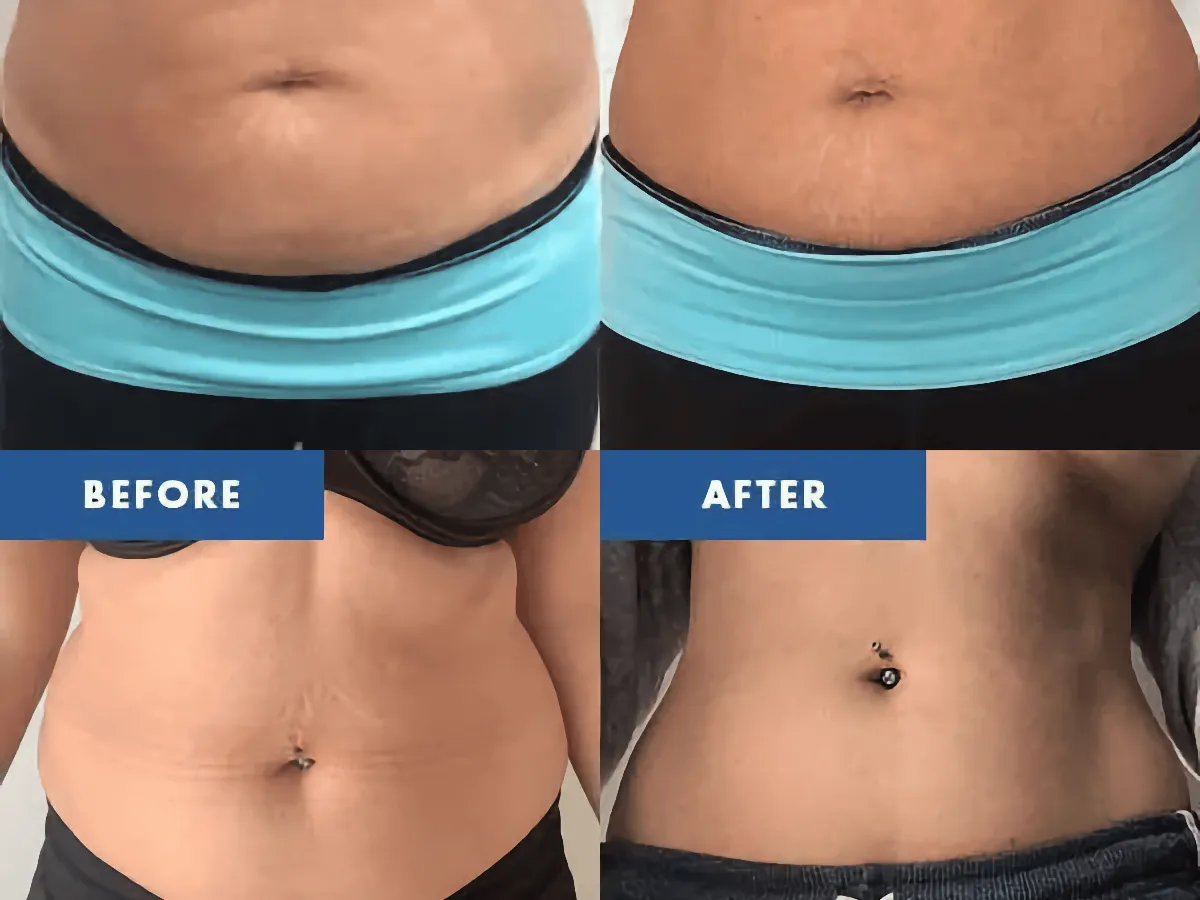
Stubborn fat deposits resist diet and exercise because fat cell distribution is largely genetic. Clinical fat reduction destroys cells rather than shrinking them, achieving a structural change that lifestyle interventions cannot.
Understanding the cause

What's happening in your skin

01

Your body protects certain fat deposits

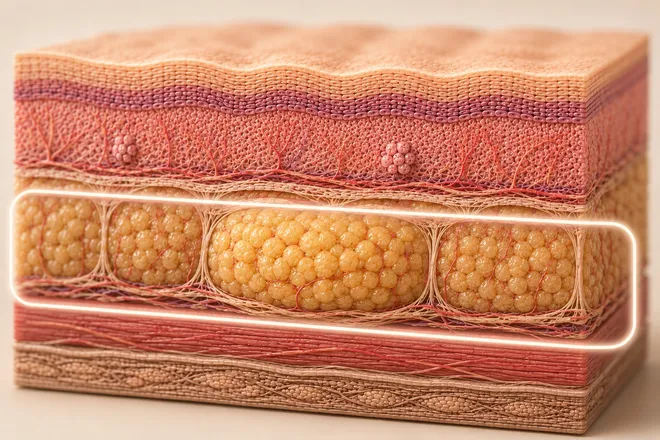
Localised fat deposits in the abdomen, flanks and under the chin carry a high density of alpha-2 receptors. These receptors actively inhibit fat breakdown in response to the same signals that shrink fat elsewhere.

Fat cells are distributed in a genetically determined pattern. Localised deposits in the abdomen, flanks, inner thighs and under the chin are particularly resistant because they carry a high density of alpha-2 adrenergic receptors. These receptors inhibit lipolysis in response to the same hormonal signals that shrink fat cells elsewhere. The result is that these areas hold onto their lipid content even when the rest of the body is responding to caloric deficit.

02

Diet and exercise cannot eliminate cells

Diet and exercise shrink fat cells. They cannot eliminate them. When caloric balance is restored, the same cells are present and available to re-expand. This is receptor biology, not a discipline problem.

Diet and exercise cause fat cells to shrink in volume. What they cannot do is eliminate fat cells. When caloric balance is restored, the same cells re-expand. For areas with a high alpha-2 receptor density, shrinkage is limited from the outset, which means sustained dietary and exercise effort produces less visible change in these specific deposits than elsewhere.

03

Removing cells, not just shrinking them

Fat cells destroyed through cold-induced apoptosis do not return. The result is a permanent reduction in fat cell density, not a temporary shrinkage that reverses.

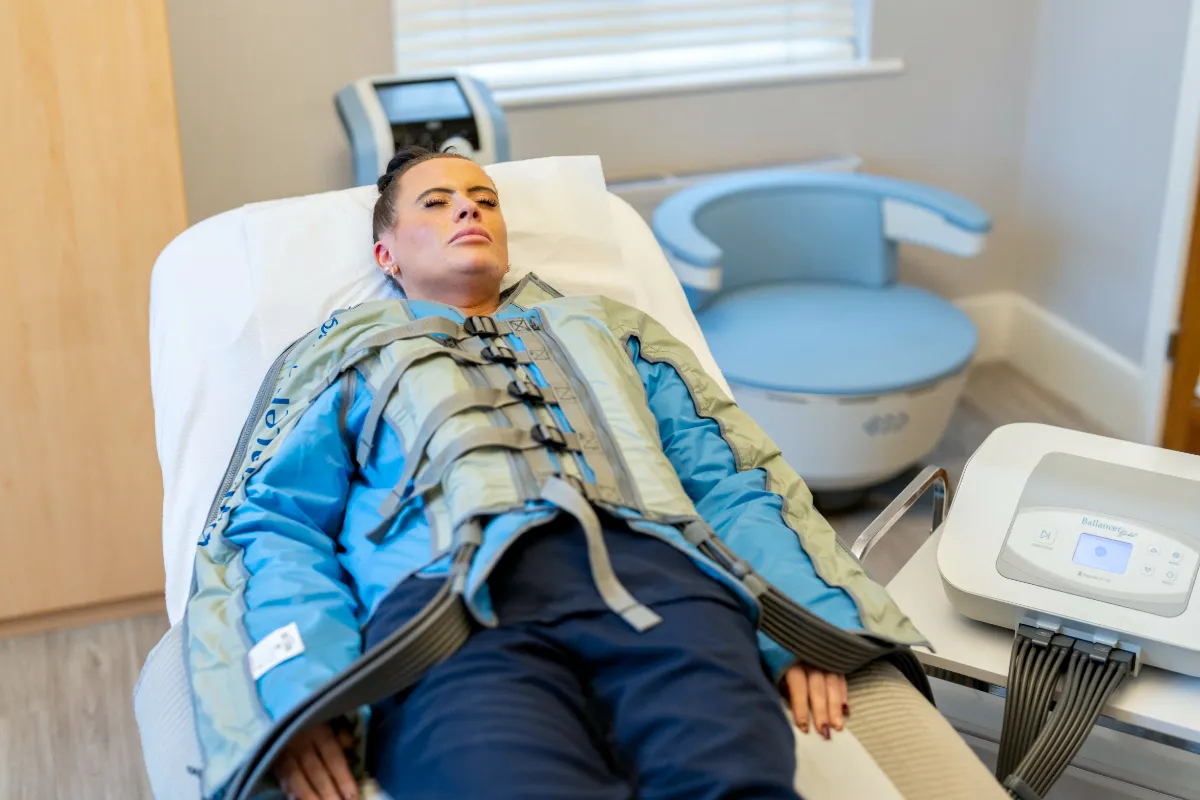
Lipocontrast uses controlled cooling to destroy fat cells through apoptosis, the body's own programmed cell death mechanism. Fat cells are more susceptible to cold-induced apoptosis than surrounding nerves, blood vessels and skin. Over eight to twelve weeks, the immune system clears the destroyed cells. Those specific cells do not return. Circumference measurement and clinical photography at baseline allow objective tracking across the full treatment timeline.
Recommended treatments

What we use for stubborn fat

Clinical perspective

I think the most useful thing I can say about fat reduction is this: it is not a weight loss treatment. It is a body composition tool for people who are at or near their healthy weight and have a specific deposit that has not responded to diet and exercise. For that indication, the clinical results are genuinely impressive and permanent. The mistake is expecting it to do something it was not designed to do.

Not a weight loss tool Cells destroyed, not shrunk Results are permanent
Lydia Griffin, Clinic Director, The London Road Clinic

In their own words

I've been visiting the clinic because I don't like the back of my legs. Amazing service, all the ladies know their stuff. Very welcoming. Highly recommend.
Anika · with Lydia Griffin, Clinic Director · Mar 2023

Verified Fresha review. Displayed as submitted. Read all 1,400+ reviews →

Common questions

Frequently asked about stubborn fat

Am I a suitable candidate for clinical fat reduction?
The best candidates are people at or near a healthy, stable body weight with specific localised fat deposits that have not responded to diet and exercise. Clinical fat reduction is not a treatment for general overweight or obesity, and is not intended to replace dietary change. A consultation and clinical assessment determine suitability before any treatment is offered.
How does Lipocontrast work?
Lipocontrast uses controlled cooling to target fat cells in the treated area. Fat cells are more susceptible to cold-induced apoptosis than surrounding tissue, at the treatment temperature, fat cells begin a process of programmed cell death while nerves, blood vessels and skin remain unaffected. Over eight to twelve weeks, the immune system clears the destroyed cells, producing a measurable reduction in fat layer depth.
How many sessions will I need?
Most areas show meaningful results from one to two sessions. Some clients choose to treat the same area twice to achieve a greater reduction, or to treat additional areas in separate sessions. A clinical assessment at baseline sets realistic expectations and identifies the appropriate treatment volume.
Is the fat reduction permanent?
The fat cells destroyed through apoptosis do not regenerate. However, remaining fat cells in the area and elsewhere in the body can still expand if caloric intake significantly exceeds expenditure. Clinical fat reduction produces a permanent reduction in cell density in the treated area, sustained results require maintaining a stable weight.
What is the downtime?
Lipocontrast has minimal downtime. The treated area may feel numb, sore or tender for several days to weeks after treatment. Temporary redness and minor bruising are common. Most clients return to normal activities immediately. Full results develop over eight to twelve weeks as the body clears the treated cells.

Ready to take the next step?

Book a consultation

Your clinician will assess your skin, review your history and design a treatment plan matched to your specific presentation, not a generic protocol.

Medically reviewed by Dr Shahe Boghossian, Medical Consultant, GMC 5204600 . Last reviewed 21 May 2026.

Registered with & recognised by

Book a consultation WhatsApp