Body concern

Muscle Toning

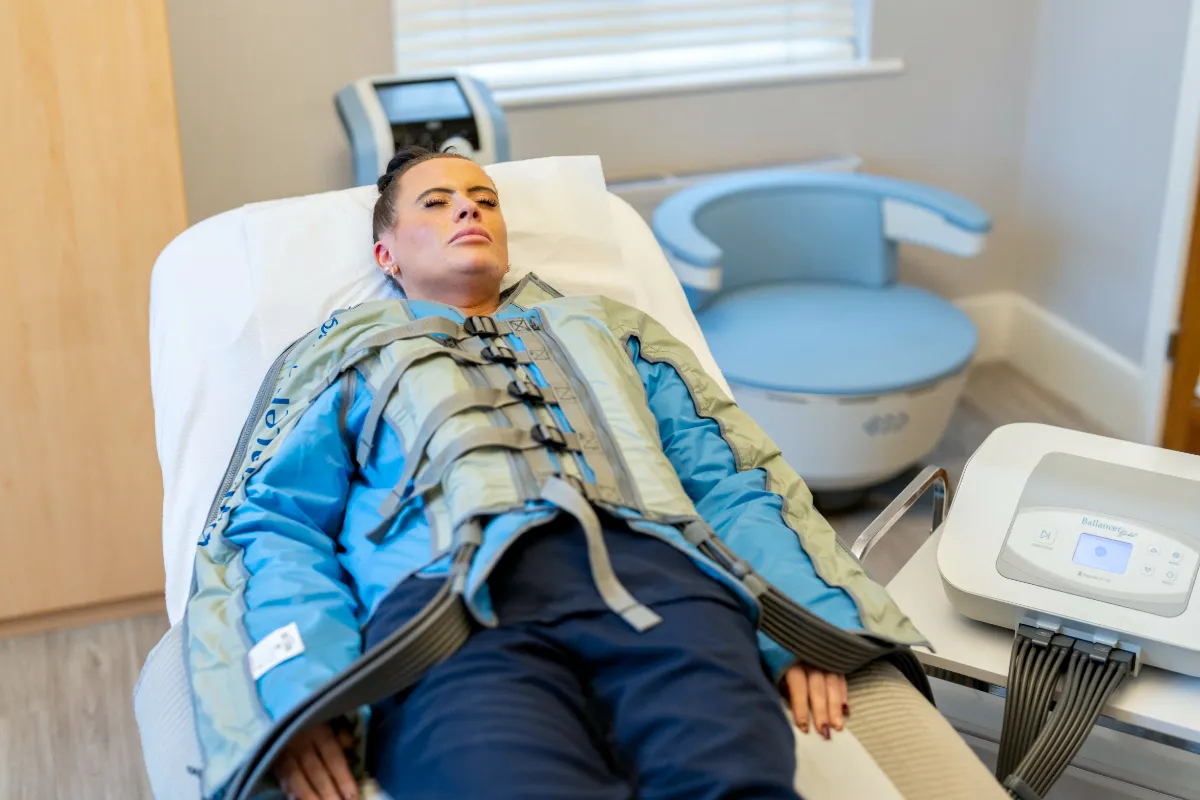
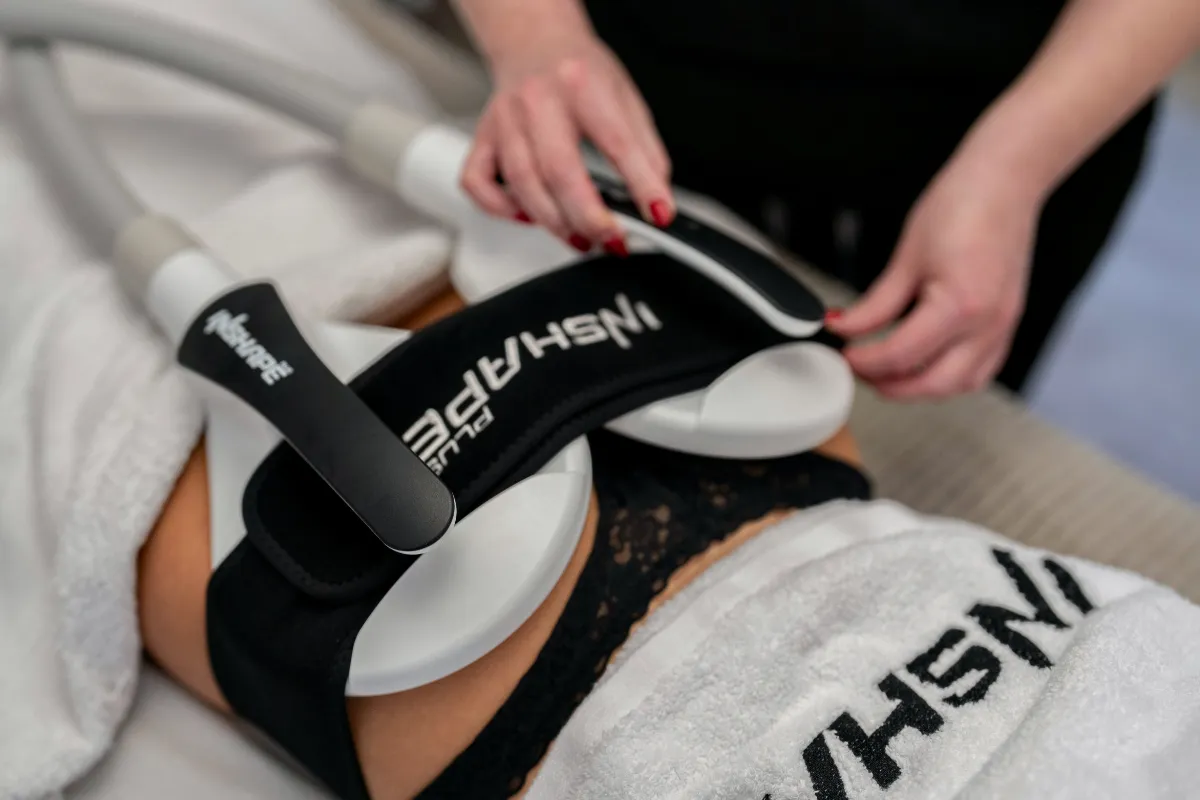
Muscle laxity is reduced tone and definition in specific muscle groups that exercise alone does not adequately address, most commonly the abdomen, glutes and thighs. HIFEM electromagnetic treatment stimulates supramaximal contractions that build muscle and reduce localised fat in the same session. At The London Road Clinic, InShape delivers this technology without downtime. From £135 per session.

Muscle Toning at The London Road Clinic

Understanding the cause

What's happening in your skin

01

Voluntary exercise doesn't fully recruit the muscle fibres that matter most

Fast-twitch, highest-threshold motor units are rarely fully recruited through conventional training. HIFEM bypasses the voluntary pathway and forces contractions that exercise cannot.

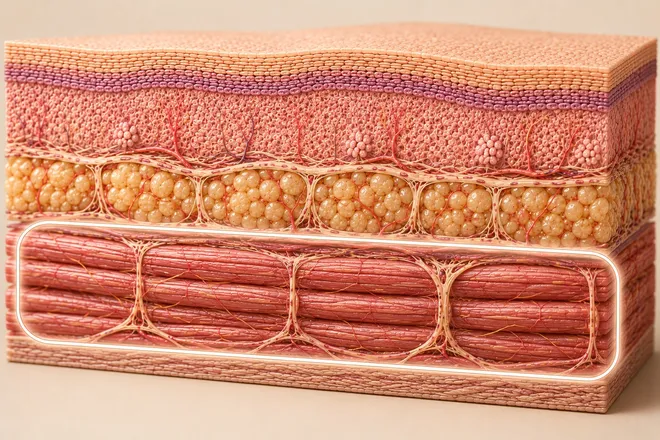
Voluntary contractions, the kind generated by squats, planks or any conventional exercise, recruit muscle fibres sequentially, starting with the slowest-twitch and moving up. This is efficient for movement. It is not efficient for building maximum fibre density, because the highest-threshold fast-twitch fibres are rarely fully recruited. The deeper layers of the abdomen, particularly the transverse abdominis and the deeper portions of the rectus, are difficult to isolate without technically demanding training. For most people, they remain undertrained relative to the superficial layers regardless of exercise volume.

02

Pregnancy, weight change and age compound the problem

Natural decline in muscle protein synthesis from the mid-thirties onwards, combined with significant weight change or pregnancy, reduces baseline muscle tone in ways that training alone is slow to reverse.

Pregnancy, significant weight change and the natural decline in muscle protein synthesis from the mid-thirties onwards compound both problems. The muscle is there. The capacity to recruit and stress it maximally, through voluntary means, is not. HIFEM bypasses the voluntary pathway entirely. It delivers electromagnetic energy at a frequency and intensity that forces supramaximal contractions, recruiting muscle fibres that exercise does not reach, at approximately 20,000 contractions per session, a rate that no amount of voluntary training could produce in the same timeframe.
Recommended treatments

What we use for muscle toning

Common questions

Frequently asked about muscle toning

Is InShape the same as the well-known market-leading HIFEM devices?
InShape uses the same HIFEM (High-Intensity Focused Electromagnetic) technology and delivers equivalent electromagnetic parameters. The underlying mechanism is identical. The clinical research on HIFEM technology is published in peer-reviewed literature and applies to the modality as a whole, not to any single brand.
Is HIFEM muscle stimulation a replacement for exercise?
No. HIFEM stimulation produces supramaximal contractions that build muscle fibre density and reduce localised fat in ways that complement exercise, not replace it. Clients who maintain regular training between and after sessions tend to see better and longer-lasting results. The treatment addresses areas that are structurally difficult to train through exercise alone.
How many InShape sessions do I need?
A standard course is four sessions, scheduled twice weekly over two weeks. Results develop over the following four to eight weeks as muscle remodelling completes. A review appointment at eight weeks establishes the outcome and whether a maintenance session or further course is appropriate.
Which areas can InShape treat?
At The London Road Clinic, InShape is used on the abdomen, glutes, thighs and inner thighs. Each area uses a specific paddle configuration. Multiple areas can be addressed in a single course, with treatment planning at consultation confirming which areas and which order to prioritise.
Is there any downtime after InShape?
No. Clients return to normal activity immediately after each session, including exercise. The muscles in the treated area may feel as though they have been worked hard for 24 to 48 hours after the first session or two, similar to delayed onset muscle soreness after intense training. This settles as the course progresses.
Who is InShape suitable for?
InShape is most often considered for clients in broadly good health, at or near their target weight, looking to improve muscle tone and definition in specific areas that exercise has not adequately addressed. It is not appropriate for clients who are pregnant, have metal implants in the treatment area, a pacemaker or other electronic implants, or certain other medical conditions. Suitability is confirmed at consultation.
How long do InShape results last?
Most clients maintain results for six to twelve months, depending on their activity level. Regular exercise between and after the course extends the interval before a maintenance session is needed. Results are not permanent. The muscle remodels in response to the treatment and will gradually return toward its baseline without periodic stimulus.
Can InShape be combined with fat reduction treatments?
Yes. LipoContrast, which reduces subcutaneous fat through controlled thermal contrast, is often scheduled before an InShape course so that the structural muscle changes are more visible once the course is complete. EmTone addresses the skin surface layer and is commonly combined for the abdomen and thighs.

Ready to take the next step?

Book a consultation

Your clinician will assess your skin, review your history and design a treatment plan matched to your specific presentation, not a generic protocol.

Medically reviewed by Dr Shahe Boghossian, Medical Consultant, GMC 5204600 . Last reviewed 21 May 2026.

Registered with & recognised by

Book a consultation WhatsApp