Acne Scarring: Types, Causes and the Right Treatment for Each
Acne scarring covers several distinct types that require different treatment approaches. Lydia Griffin explains how each type forms, how to identify them, and why treatment selection depends on the specific scar rather than a one-size approach.
Published 21 May 2026
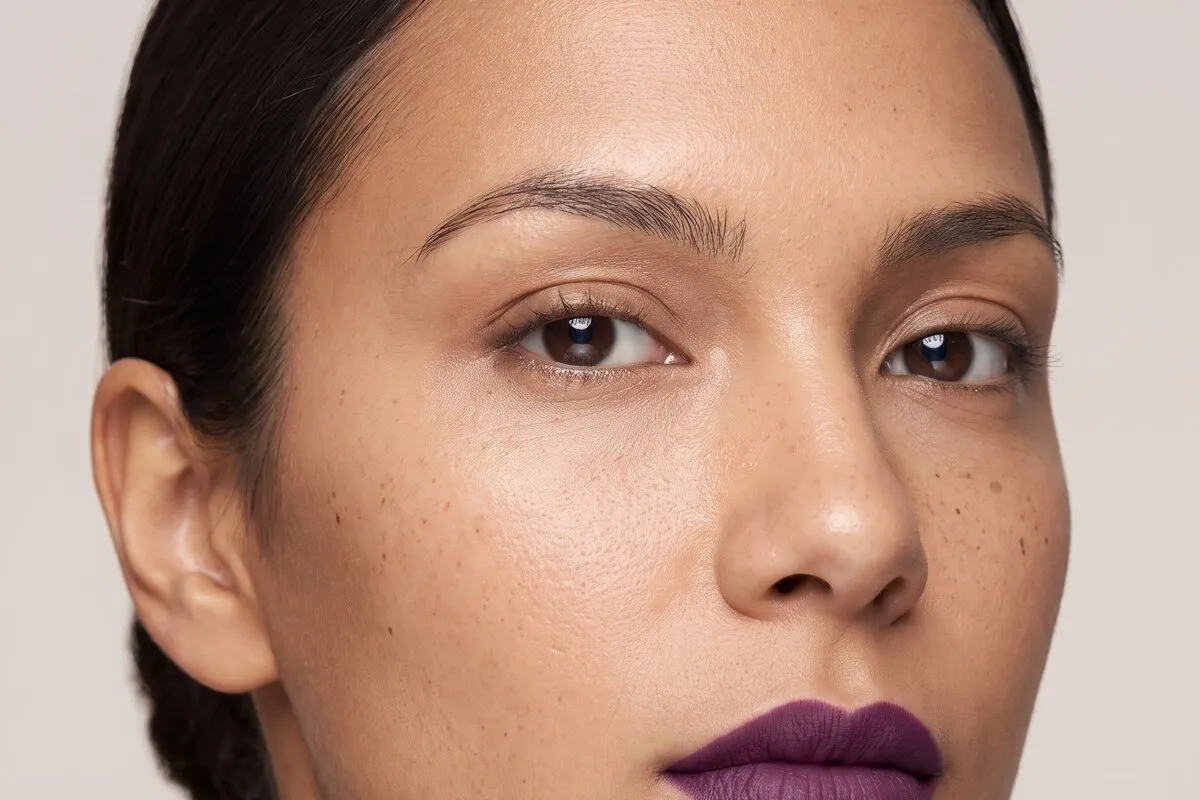
Acne scarring is not one condition. It is a group of distinct tissue changes with different structures, different depths and different treatment requirements. Treating all acne scars the same way produces inconsistent results because a treatment well matched to one scar type is often poorly matched to another. The most important step in any acne scar consultation is identifying precisely what you are dealing with before deciding what to do about it.
How acne scars form
Active acne causes localised tissue injury. When the inflammation is significant, particularly with cystic or nodular acne, the repair process that follows can result in one of two outcomes: insufficient collagen replacement at the site of injury, which produces a depressed scar, or excess collagen deposition, which produces a raised one.
The depth, extent and type of the resulting scar are shaped by the severity of the original inflammation, the individual’s healing biology, how quickly the acne was treated, and in some cases, whether breakouts were manipulated or picked.
Types of atrophic (depressed) scars
Ice pick scars are narrow, deep and steep-sided. They are caused by the destruction of the follicular structure, which extends the injury down to or beyond the mid-dermis. They are the most difficult type to treat with surface-level resurfacing, because their depth exceeds the reach of most non-surgical approaches.
Boxcar scars are broader than ice picks with defined, vertical edges and a relatively flat base. They can be shallow or moderately deep. The sharper the edges and the flatter the base, the more amenable they are to treatment with fractional resurfacing and radiofrequency microneedling.
Rolling scars create an undulating or wave-like surface appearance. They are caused by fibrous strands tethering the dermis to the subcutaneous tissue. Treating the surface with microneedling or RF can improve the overall skin quality, but the tethering bands in more established rolling scars may require subcision before surface treatment can achieve its full effect.
Raised and other types
Hypertrophic scars are raised, firm and confined to the original wound site. They result from excess collagen deposition during healing and are more common in patients with a genetic tendency to pronounced scarring responses.
Keloid scars grow beyond the original injury site and can continue to enlarge over time. They require specialist management. Where keloid scarring is suspected or confirmed, we will assess carefully and refer where appropriate.
Post-inflammatory erythema (PIE) refers to the pink or red marks left after active acne resolves. These are vascular in origin rather than structural scars. They tend to fade over months without treatment but can be accelerated with Lumecca IPL.
Post-inflammatory hyperpigmentation (PIH) is a pigmentation concern rather than a structural scar, covered in our guide to hyperpigmentation.
One essential prerequisite: active acne must be controlled first
Treating acne scarring while active breakouts are occurring is clinically counterproductive. Resurfacing inflamed skin risks extending the tissue injury, driving more post-inflammatory pigmentation and worsening the scarring. Any acne scar treatment plan at The London Road Clinic begins with an assessment of whether the acne itself is adequately controlled.
Isotretinoin (Roaccutane) requires a six-month waiting period after completing the course before resurfacing treatments including Fractora, SkinPen and chemical peels are appropriate. This must be disclosed at consultation.
Treatment options at The London Road Clinic
SkinPen microneedling creates controlled micro-channels in the skin that stimulate collagen production and support dermal remodelling. It is the appropriate starting point for mild to moderate atrophic scarring and carries a lower risk of post-inflammatory hyperpigmentation than energy-based treatments, making it the more conservative first choice in patients with Fitzpatrick IV-VI skin. Often combined with targeted serums or exosomes.
Fractora fractional radiofrequency microneedling combines microneedle penetration with radiofrequency energy delivered directly into the dermis at the needle tip. The controlled thermal injury at depth drives more significant collagen remodelling than mechanical microneedling alone, making it the stronger option for moderate to deeper boxcar scars and mixed atrophic presentations.
Chemical peels improve epidermal texture and reduce the surface contribution. They are most useful for superficial scarring and general skin quality alongside a primary resurfacing course.
Polynucleotides are used in some acne scarring protocols for their anti-inflammatory properties and ability to support fibroblast activity and collagen synthesis.
Realistic expectations
Acne scarring, particularly established atrophic scarring, does not fully resolve with any non-surgical treatment. The realistic goal is significant visible improvement: softer transitions at scar edges, reduced depth and shadowing, better overall skin texture and tone.
Frequently asked questions
How do I know what type of acne scars I have?
How many sessions of Fractora will I need for acne scarring?
Can microneedling make acne scars worse?
Is Fractora better than microneedling for acne scars?
What can I do at home to support acne scar treatment?
Are rolling scars treatable without surgery?
Most people have more than one scar type, and the mix decides the order treatments are done in. A consultation identifies which you have and what each one will respond to.
Treatments that may help
Related advice

Patient Guide: Microneedling
A comprehensive patient guide to medical-grade microneedling at The London Road Clinic: how SkinPen works, what it treats, what to expect, and how it compares to other collagen induction treatments. Written by Lydia Griffin, Clinic Director, JCCP No. 002569.
21 May 2026
NeoGen vs Fractional CO2 Laser: What Nitrogen Plasma Is For
What nitrogen plasma treats, why it reaches the eyelid where most resurfacing stops short, what the recovery involves, and where a fractional CO2 laser is the better answer.
16 August 2026

Fractora Radiofrequency Microneedling Near Southwell: Planning the Downtime
Fractora is the treatment on our menu with real recovery attached to it. What two to five days of downtime looks like, how to fit it around a working week, and when a gentler device is the better answer.
5 August 2026