Skin concern

Skin Laxity & Firmness

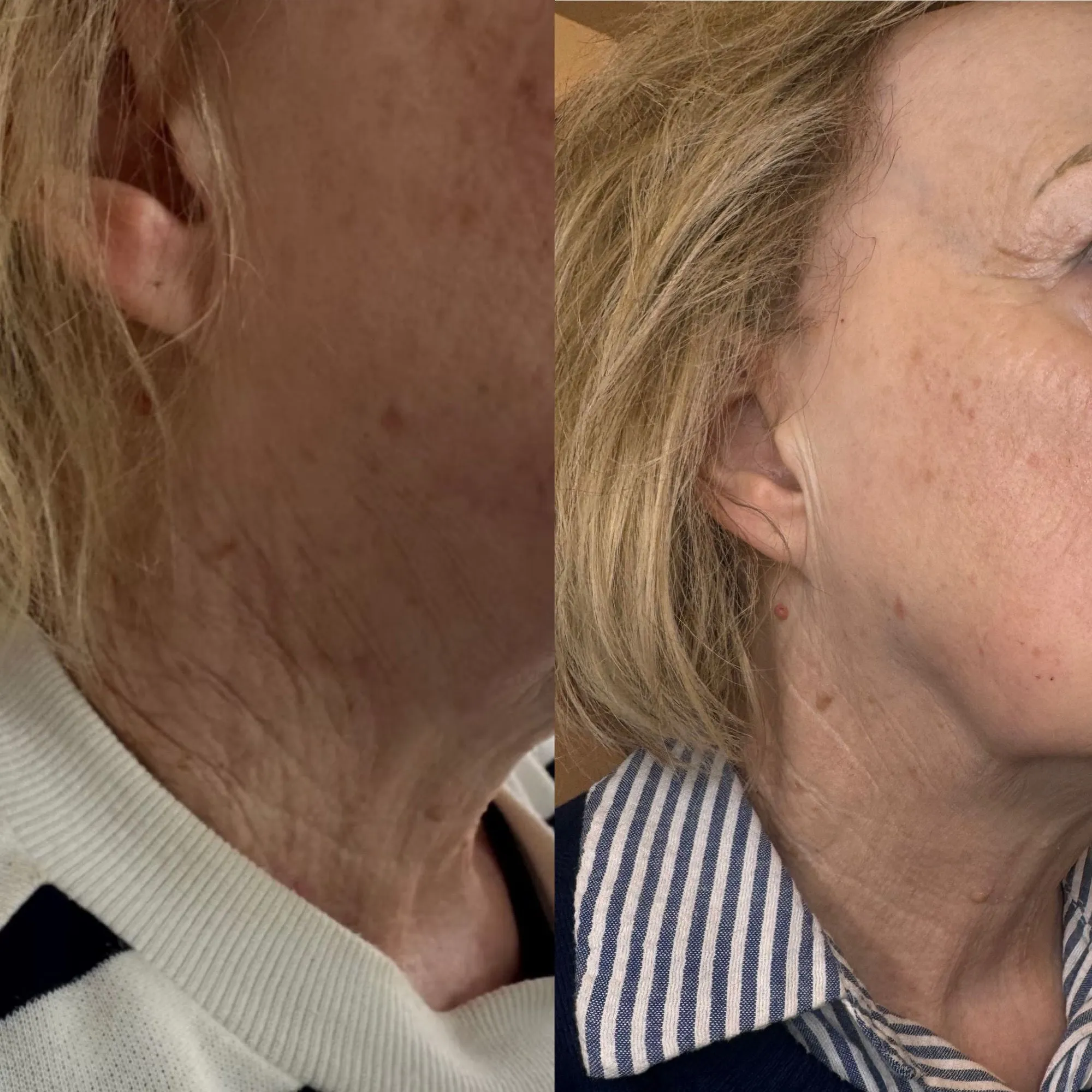
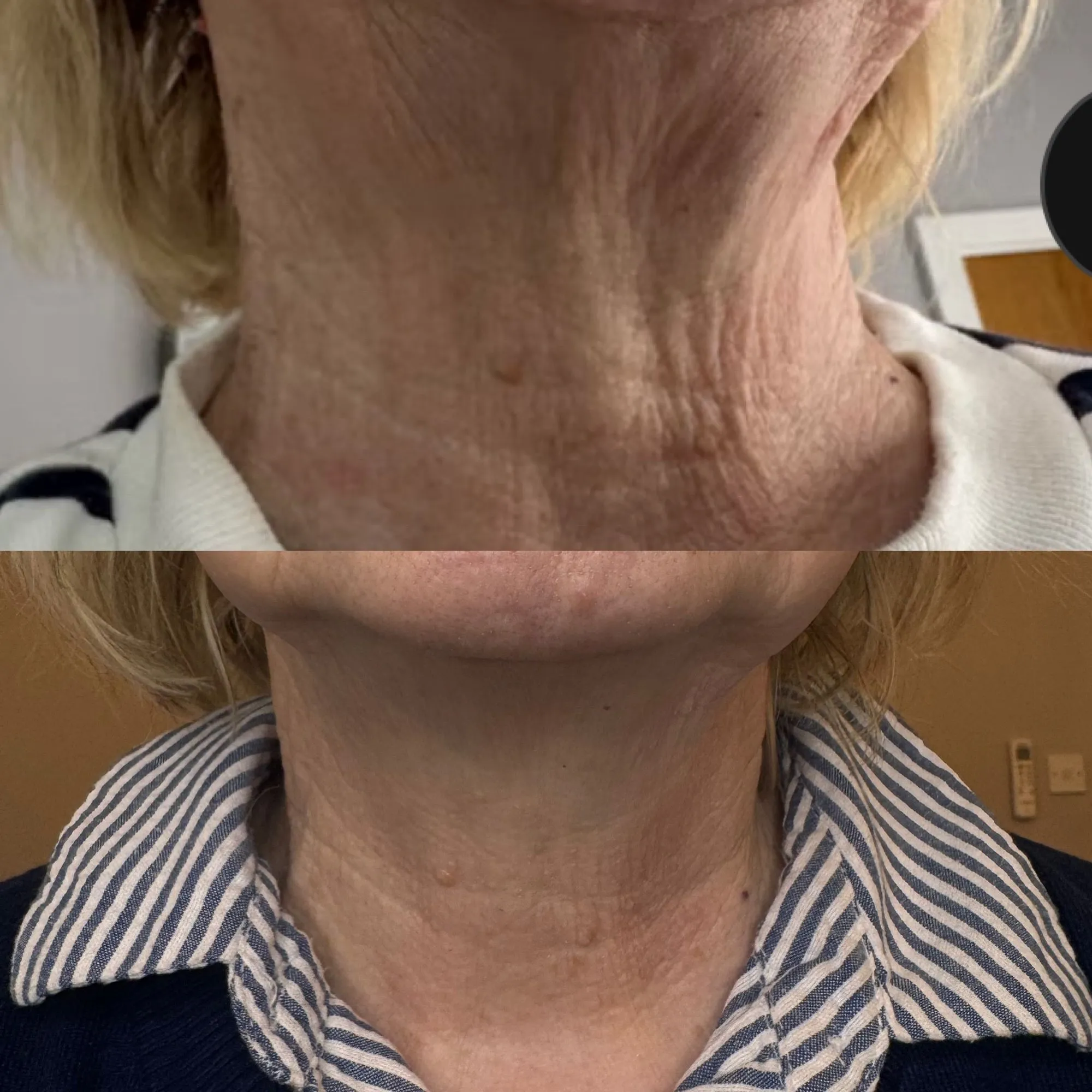
Lax skin reflects reduced collagen and elastin. Energy-based and regenerative treatments can stimulate structural tissue remodelling without surgery.
Understanding the cause

What's happening in your skin

01

Collagen loss starts earlier than expected

Collagen synthesis begins to slow in the mid-twenties. From the mid-thirties, fibres become progressively less organised and the skin loses its recoil.

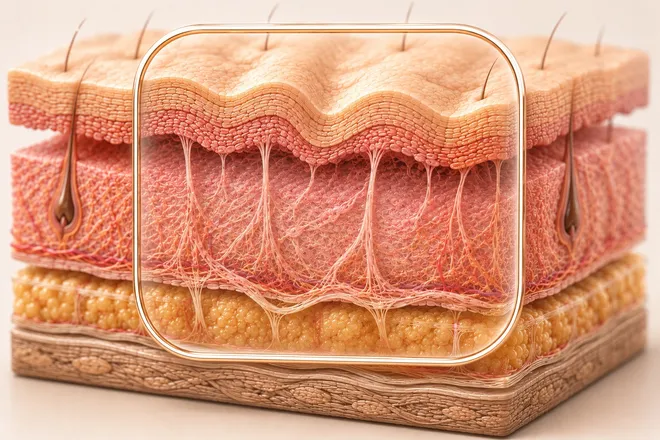
Skin firmness depends on a dense, well-organised network of collagen and elastin in the dermis. As fibres degrade, the skin loses its recoil and begins to fold and descend under gravity. The effect is most visible along the jawline, jowl, neck and around the eyes. UV damage, smoking and significant weight fluctuations all accelerate this process.

02

What energy-based treatments actually do

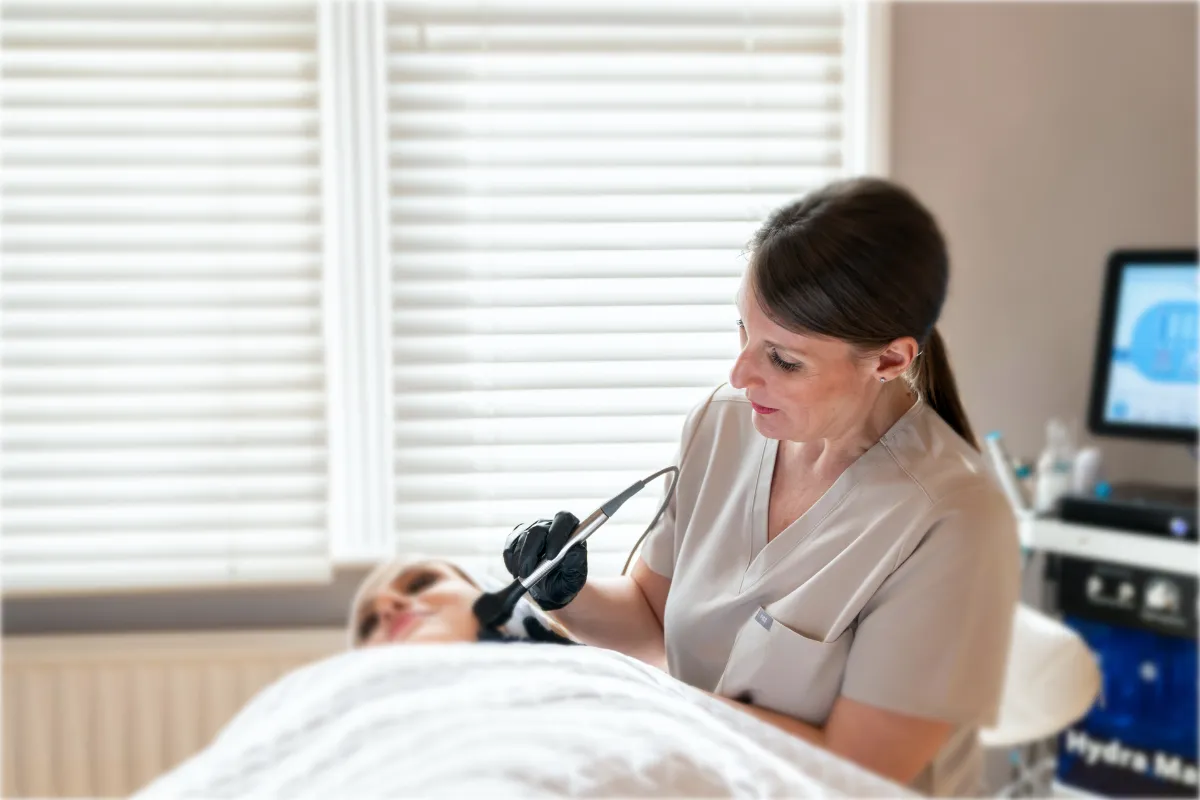
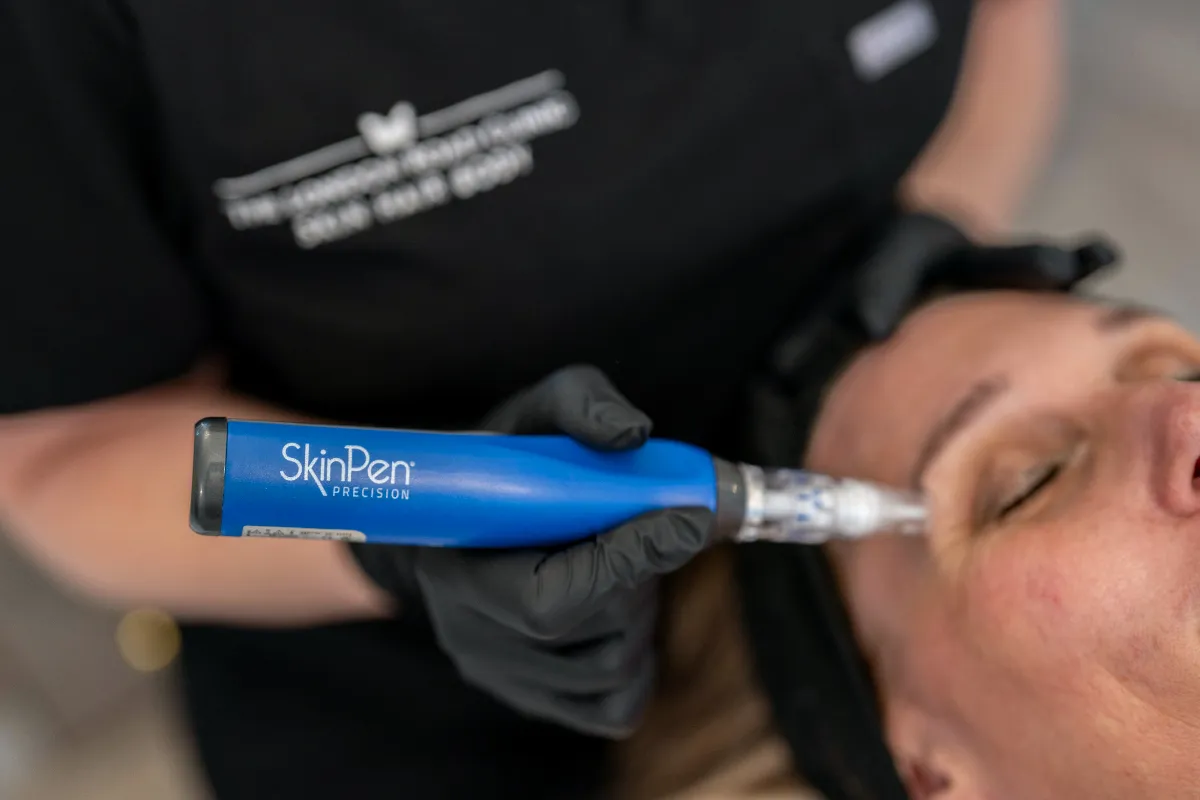
Radiofrequency and microneedling do not add anything external. They create a controlled dermal stimulus that activates fibroblasts to produce new collagen. The meaningful result appears at eight to twelve weeks.

Radiofrequency and microneedling create a controlled stimulus at the dermal level that activates fibroblasts to produce new collagen and elastin. The response builds over weeks to months as tissue remodels. A course produces a cumulative outcome that a single session cannot, and the result is new structural fibre rather than an external substance that metabolises away.

03

Regenerative injectables take it further

The earlier laxity is addressed, the more functional tissue there is to work with. Early intervention consistently produces stronger responses.

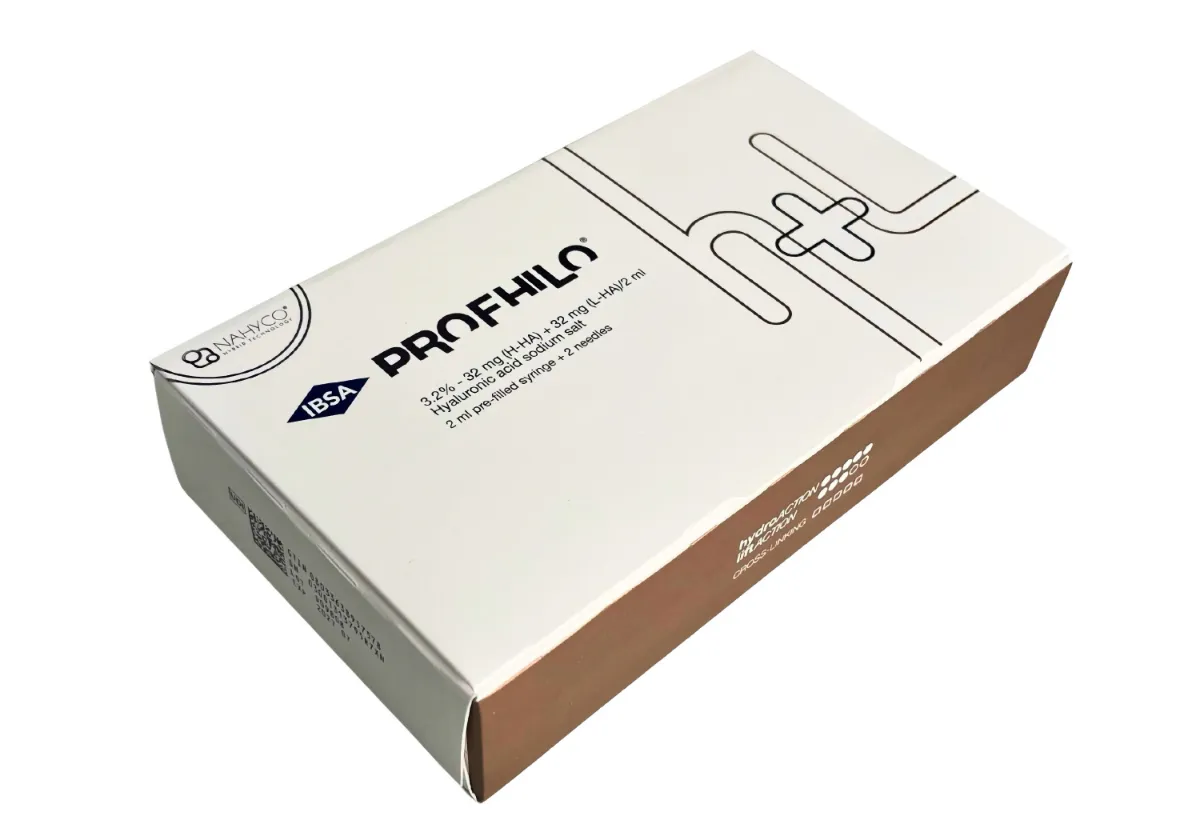
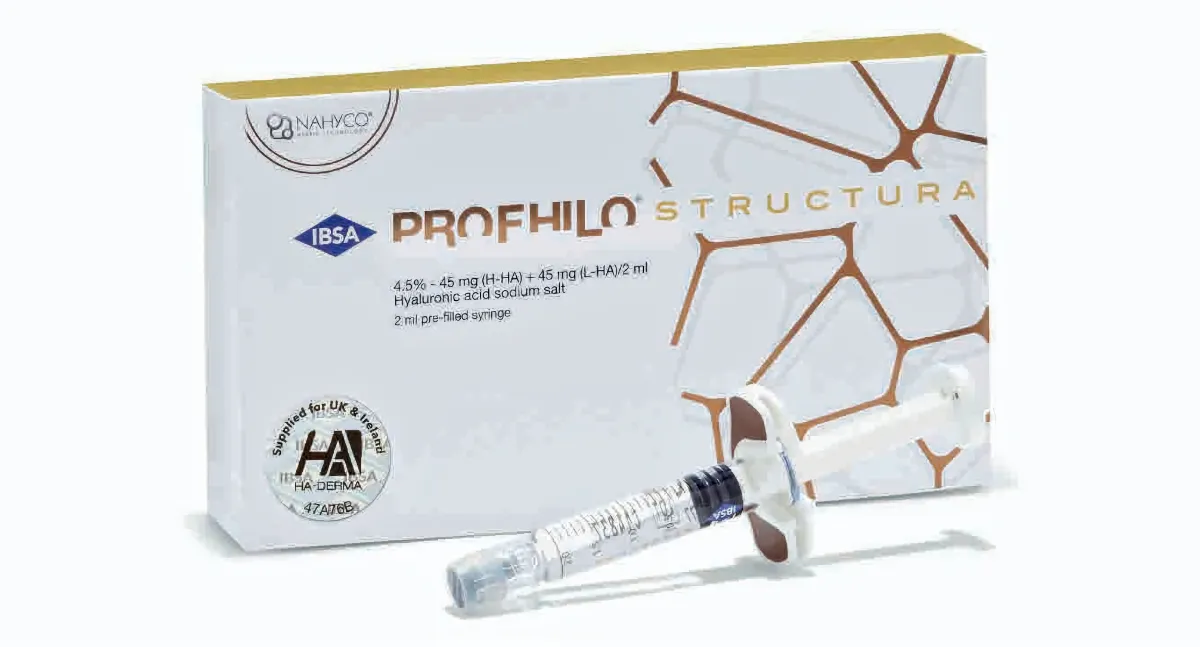
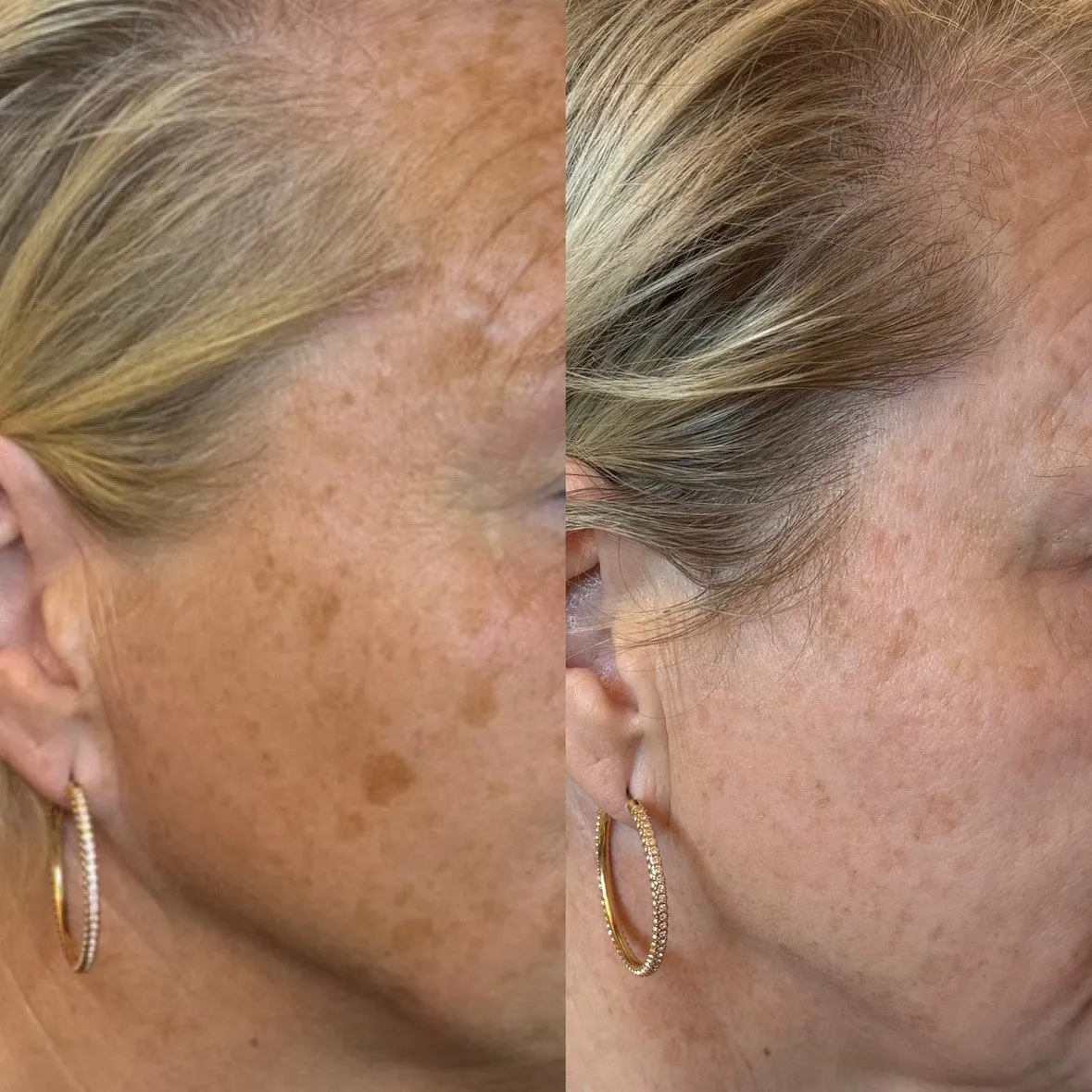
Polynucleotides and exosome therapy provide the biological stimulus for fibroblasts to increase collagen and elastin synthesis within the dermis. Profhilo spreads through the deep dermis as a biostimulator, improving hydration and tissue quality alongside collagen production. These approaches are often most effective in combination with energy-based treatment, addressing both fibrous remodelling and surface skin quality.
Recommended treatments

What we use for skin laxity & firmness

Clinical perspective

Skin laxity is the concern where I see patients leave the most on the table by starting treatment too late. The dermis has a remarkable capacity to respond to the right stimulus, but that response requires functional tissue to work with. When laxity is mild to moderate, radiofrequency and regenerative treatments can produce genuinely significant lifting and tightening. When laxity is advanced, the same treatments still help, but the ceiling is lower. Starting earlier is always the more effective strategy.

Earlier treatment, stronger results Dermis still rebuilds No surgery required
Lydia Griffin, Clinic Director, The London Road Clinic

In their own words

The skin pen micro-needling never disappoints, it gives wonderful results and helps my skin to maintain a natural youthful glow even at my age in my late 50s, it helps reduce my fine lines and wrinkles and gives an all-round plump, smoother texture.
Mandy · with Jaz

Verified Fresha review. Displayed as submitted. Read all 1,400+ reviews →

Common questions

Frequently asked about skin laxity & firmness

Can skin laxity be treated without surgery?
Yes, for mild to moderate laxity. Energy-based treatments such as radiofrequency and plasma pen, combined with regenerative injectables, can produce measurable tightening and lifting. They work by stimulating the tissue that remains rather than removing or repositioning it. For advanced laxity, significant jowling or neck skin redundancy, surgical consultation may be the more appropriate referral, which your clinician will advise.
How quickly will I see results from radiofrequency?
Radiofrequency generates an initial response as collagen fibres tighten under thermal stimulus, but the most significant improvement develops over eight to twelve weeks as new collagen is laid down. A course of three to six sessions is typically recommended for the best structural outcome.
What is the difference between Profhilo and radiofrequency for laxity?
Profhilo is an injectable HA biostimulator that spreads through the deep dermis, triggering collagen and elastin production while hydrating the tissue. It primarily improves skin quality and early laxity. Radiofrequency targets deeper fibrous tissue with thermal energy to produce a firming and lifting effect. For moderate laxity, the combination of both is often more effective than either alone.
Does the plasma pen work for the same areas as radiofrequency?
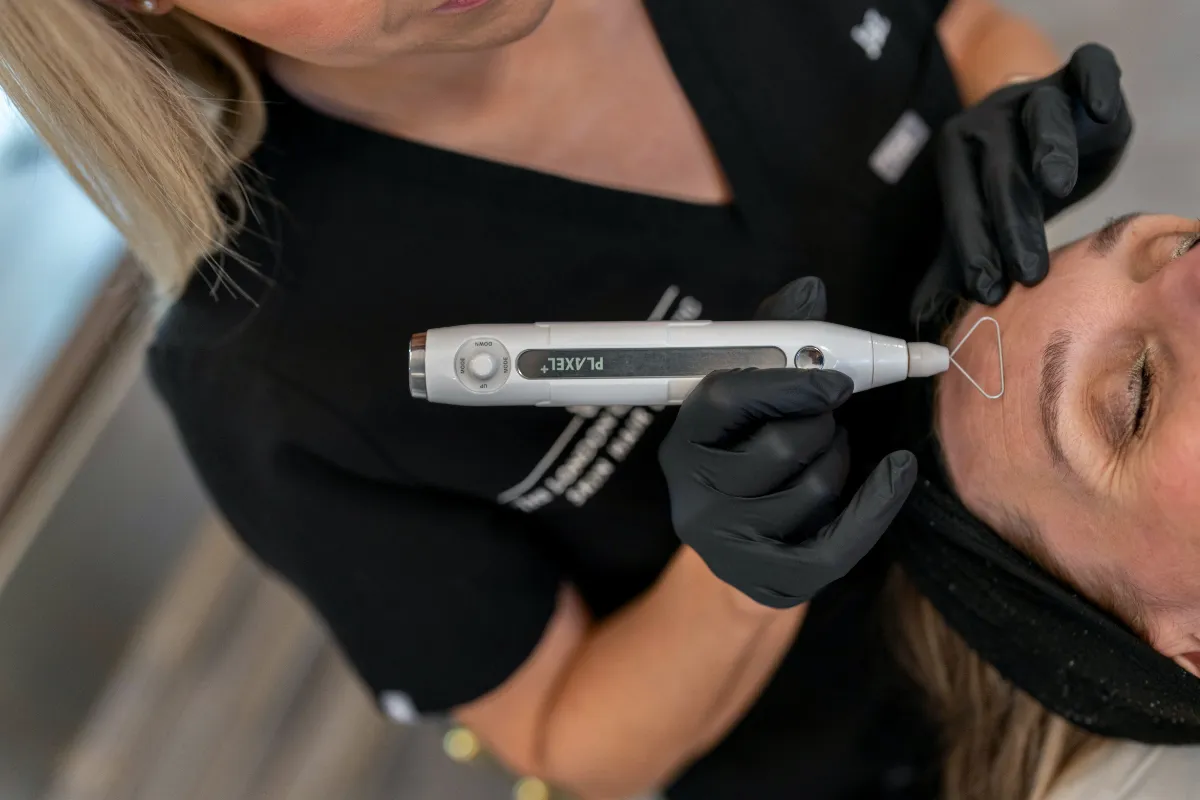
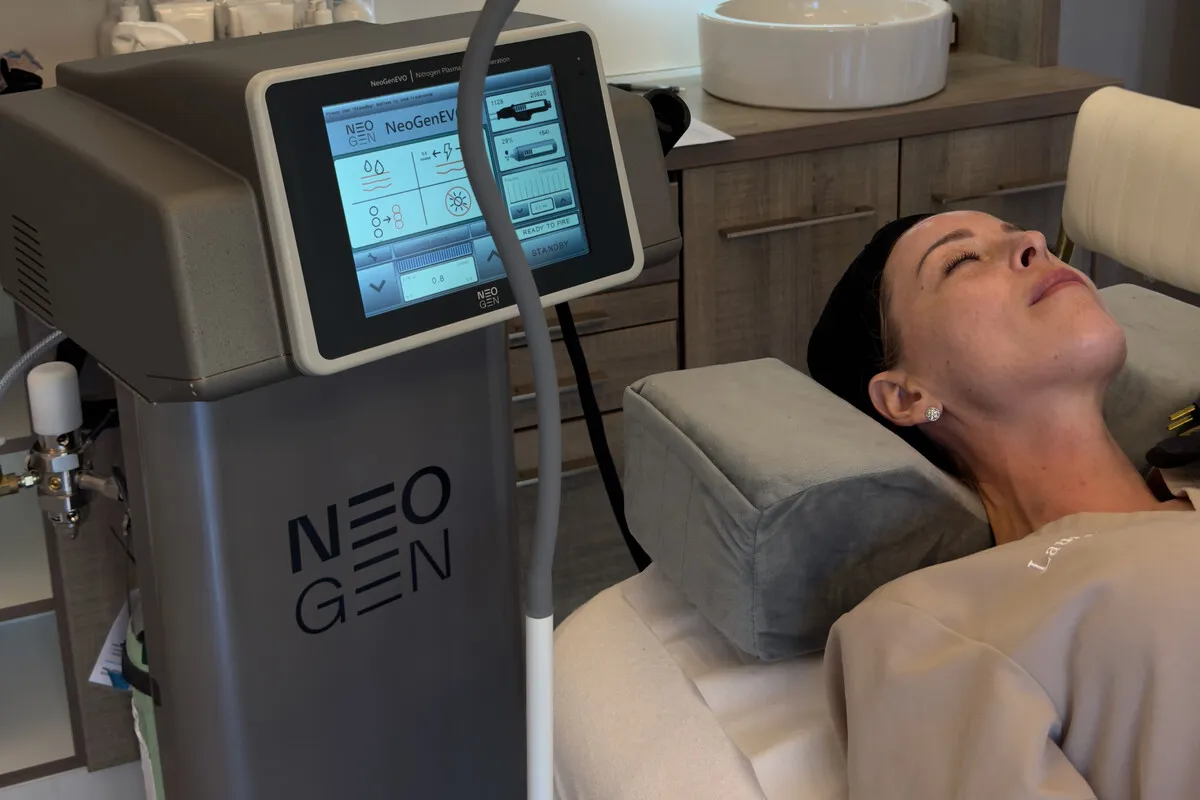
Plasma pen (Plaxel Plus) delivers a different mechanism: it uses ionised plasma to contract tissue and stimulate repair in precise areas, typically upper eyelid laxity, perioral lines and other small focused zones. Radiofrequency treats broader surface areas with a lifting and tightening effect. They are complementary rather than interchangeable.
How long do skin firmness results last?
Results from energy-based and regenerative treatments typically last twelve to eighteen months before maintenance is recommended. Skin ageing is continuous, so results are best sustained with regular maintenance rather than single interventions.

Ready to take the next step?

Book a consultation

Your clinician will assess your skin, review your history and design a treatment plan matched to your specific presentation, not a generic protocol.

Medically reviewed by Dr Shahe Boghossian, Medical Consultant, GMC 5204600 . Last reviewed 21 May 2026.

Registered with & recognised by

Book a consultation WhatsApp