Lumecca IPL in Nottinghamshire: The Right Time of Year to Start
Most Lumecca courses at our Newark clinic run between October and March, and there is a clinical reason for that. What the four-week sun rule means in practice, who the treatment suits, and where it will not help.
Published 5 August 2026

The enquiry I get most often in June is the one I have to turn down. Someone comes back from a fortnight away, catches sight of their cheeks in a hotel mirror, and books a consultation the week they land. The brown patches across the cheekbones look worse than they did in April, which is exactly why they have picked up the phone. And the answer, nearly every time, is that we should book the course for October.
That conversation is worth setting out properly, because the timing of a Lumecca course matters more in Nottinghamshire than most people expect.
What Lumecca does, in one paragraph
Lumecca is an intense pulsed light platform by InMode. It delivers a broad spectrum of filtered light into the skin, where the energy is absorbed by two targets: melanin in pigment, and haemoglobin in small blood vessels. The absorbed light becomes heat, the heat damages the target, and the surrounding skin is left alone. That is why one device addresses sun spots and facial redness in the same session. At The London Road Clinic we use it for sun damage, age spots, rosacea-related flushing, facial thread veins, post-acne marks and uneven tone, from £90, following a consultation and patch test.
If you want the full clinical account of how it works and what a session feels like, the patient guide to Lumecca IPL covers it in detail. This article is about something narrower: whether it is the right treatment for you, in this part of the country, at this point in the year.
The four-week rule, and why summer is against you
Lumecca cannot safely treat recently tanned skin. Light-based treatment works by targeting pigment, and a tan is pigment spread evenly across the whole face. Put a device that seeks out melanin onto skin that is uniformly full of it, and the energy no longer goes where you want it. The risks are burns and patchy post-inflammatory pigmentation, which is the opposite of what you booked for.
So we ask for four weeks with no meaningful sun exposure before a session, and daily broad-spectrum SPF 50 throughout the course and afterwards. Not a moderated version of that. The whole thing.
Now put that against a Nottinghamshire summer. A course is commonly two to three sessions. If you start in late May, you are asking yourself to stay out of the sun through June, July and the school holidays, on the one stretch of the year when the county is worth being outside in. Most people cannot hold that, and the ones who try tend to cancel a session halfway through and lose the momentum of the course.
October to March asks nothing of you that you were not going to do anyway. The UV index here sits low from mid-autumn, the pigment you are treating has had a season to darken and is easier to see and target, and by the time the clocks go forward the flaking phase is well behind you.
There are exceptions. A patient who works nights, or who has no travel booked, can start in spring. We make that call at consultation rather than by the calendar.
What a course costs you in time
Two to three sessions, spaced around four weeks apart. Many people see visible change after the first one. Each appointment is short, and it is not a treatment you need to clear an afternoon for.
The recovery is the part people plan badly. Immediately afterwards the skin looks pink, and pigmented spots darken within minutes. That darkening is the treatment doing its job: the pigment has absorbed the energy and is on its way to the surface. Over roughly seven to ten days those spots flake away, some patients describing it as coffee grounds coming off as they cleanse. Redness from vascular targets settles over one to two weeks.
None of that stops you working. It does mean that if you have a wedding on the Saturday, do not have the session on the Thursday. Give yourself a fortnight either side of anything you are being photographed at.
The clinic is at 65 London Road, Newark-on-Trent, NG24 1RZ, with free parking at the front. It sits on the A46 approach rather than in the town centre, so for anyone driving in from Southwell, Bingham, Collingham, Balderton or Ollerton it is a straightforward run without a town-centre car park at the end of it. We are open until 20:00 Monday to Thursday, which is what makes a course workable for people who cannot take daytime appointments. If you are coming from the Southwell side, our Southwell clinic page sets out the route and the wider menu; from the Lincolnshire side, the Lincoln page does the same.
Who it suits around here
The pattern I see most in this catchment is asymmetry down one side of the face, heavier on the right, in people who drive a lot for work. Cars protect you from very little UVA through side glass, and a commute down the A46 or the A1 four days a week adds up over a decade. It is one of the more satisfying things to treat, because the patient often has not connected the two until we look at the scan.
The other group is anyone who has worked outdoors in this county for years. Farming, groundwork, construction, sport. Pigment laid down over twenty summers responds well, though it usually needs the full three sessions rather than two.
Lumecca is most effective and safest in Fitzpatrick skin types I to III. Type IV can be treated with careful patch testing and conservative settings. For Fitzpatrick V and VI we do not generally recommend it, because the risk of post-inflammatory hyperpigmentation is higher and other approaches serve those patients better. That is established at consultation, not assumed from a photograph.
Where Lumecca will not help
This is the section that decides whether you should book at all.
Melasma. Lumecca can occasionally improve melasma and more often makes it worse. Melasma is hormone-influenced and heat-sensitive, and the heat from IPL can provoke a rebound flare. If your pigmentation pattern looks melasmatic, we will say so and route you elsewhere, usually to topical management, carefully chosen peel depths and strict photoprotection. The melasma article explains why the two are so often confused.
Deep dermal pigment. Pigment sitting in the lower layers may not respond at all. Surface-level epidermal pigment is where this device earns its keep.
Structure. Lumecca treats colour. It does not tighten skin, soften lines or replace lost volume. If firmness is the concern, that is a different conversation and a different device.
Anything suspicious. If a pigmented lesion has an irregular border, more than one colour within it, or has changed, we do not treat it. We refer. Assessing moles properly is a separate service and a separate skill.
Around one in five people who come in asking for Lumecca leave with a different recommendation. That is not a failure of the consultation. It is the point of it.
The consultation, and why we scan first
Several conditions look brown on the surface and behave nothing alike underneath. Treating the wrong one with light can set a patient back months, so every Lumecca consultation at the clinic includes an Observ skin analysis. The imaging shows pigment at different depths, vascular patterns below the surface, and sun damage that has not surfaced yet. It changes the plan more often than patients expect.
You will also leave with a homecare plan, and it is not an upsell. Lumecca clears the pigment that is already there. It does nothing about your skin’s tendency to make more, and if UV exposure carries on unchecked the result will not hold. The patients who keep their results for years are the ones who treat SPF as non-negotiable and stay on a pigment-modulating routine between courses. Most come back for a single maintenance session each year, usually in the autumn.
That is the whole argument for booking in October. The treatment is the short part. The protection is the rest of it.
Frequently asked questions
Can I have Lumecca in the summer if I stay out of the sun?
How much does Lumecca cost at your Newark clinic?
How long will I look pink or flaky afterwards?
Is it worth driving to Newark for a course of three sessions?
Will the pigmentation come back?
What if the mark I am worried about turns out to be a mole?
Starting a course at the wrong point in the year costs you results and means avoiding sun exposure at the worst time. A consultation plans the timing around your diary.
Treatments that may help
Related advice
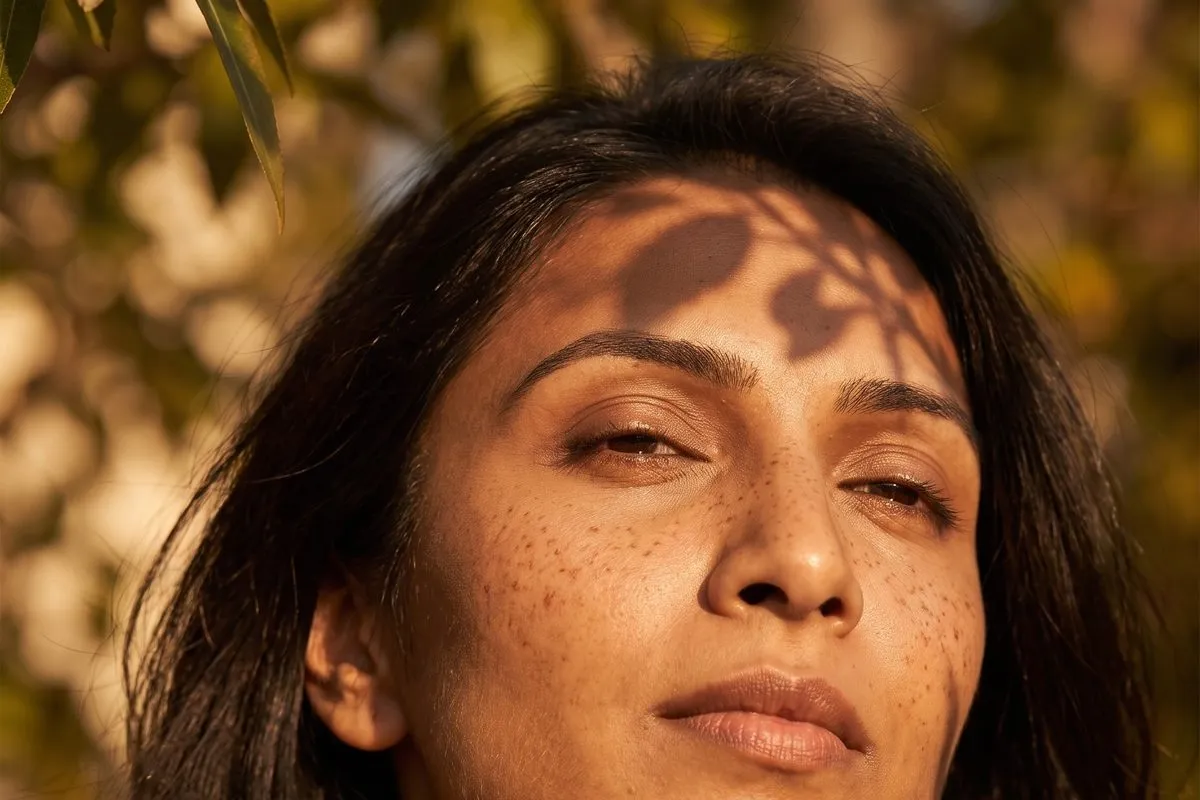
Hyperpigmentation: Types, Causes and How Each Is Treated
Hyperpigmentation covers several distinct conditions with different causes, depths and treatment responses. Lydia Griffin explains how to distinguish them and why the type of pigmentation determines the treatment approach.
21 May 2026
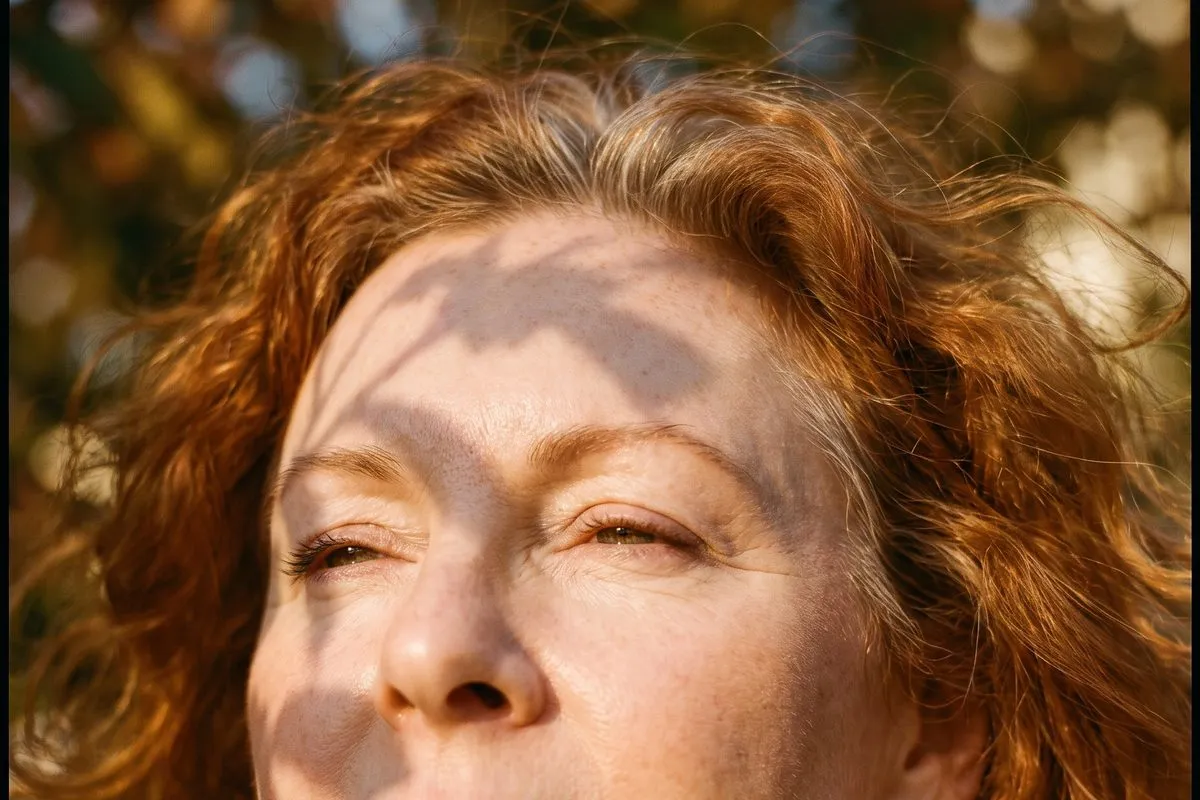
Patient Guide: Lumecca IPL for Pigmentation, Redness and Sun Damage
A consultation-led guide to Lumecca IPL: what it treats, how we assess suitability, what to expect from a course, and the limits of what light-based treatment can do.
22 May 2026
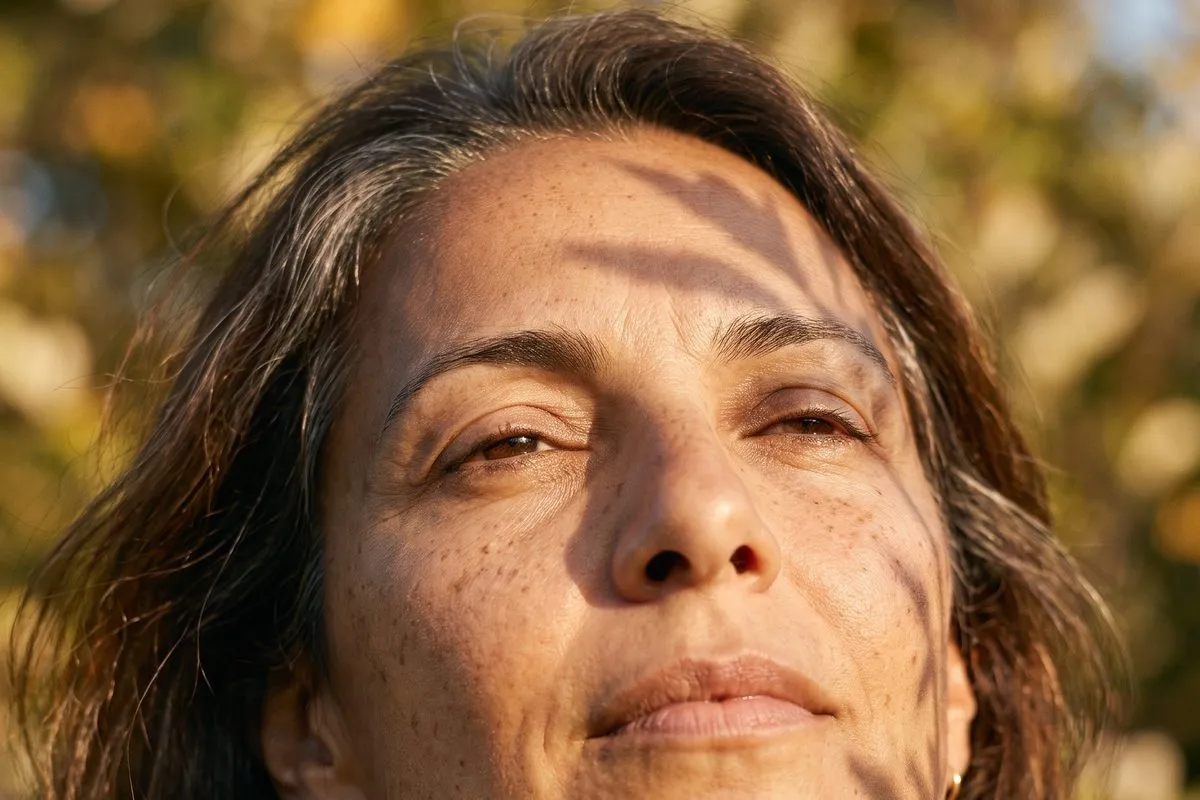
Sun Damage and SPF: The Most Important Conversation in Skin Care
The single most effective thing you can do for your skin over a lifetime is also the cheapest. Clinic Director Lydia Griffin explains what UV does, how to use SPF correctly, and what can be done about damage that has already accumulated.
21 May 2026