Less filler, more biology
Why aesthetics is moving from adding volume to stimulating the skin's own repair.
For most of the last decade, non-surgical aesthetics meant filler. The instinct, faced with a face that looked tired, was to put volume back. That instinct is now being reconsidered, by patients and clinicians alike, in favour of treatments that prompt the skin to rebuild its own collagen and elastin. The change is often summed up as less filler, more biology. It is a real shift, and it is grounded in how skin ages, not in fashion.
This guide explains what biology-led treatment means, the science it rests on, and the order a considered plan is built. Filler still has a place in it. That place is simply more precise than it used to be.
Treatments referenced here are for adults aged 18 and over, and are recommended only after an in-person consultation and skin assessment.
Reviewed by Dr Shahe Boghossian, GMC 5204600, Medical Consultant. Last reviewed 6 Aug 2026.
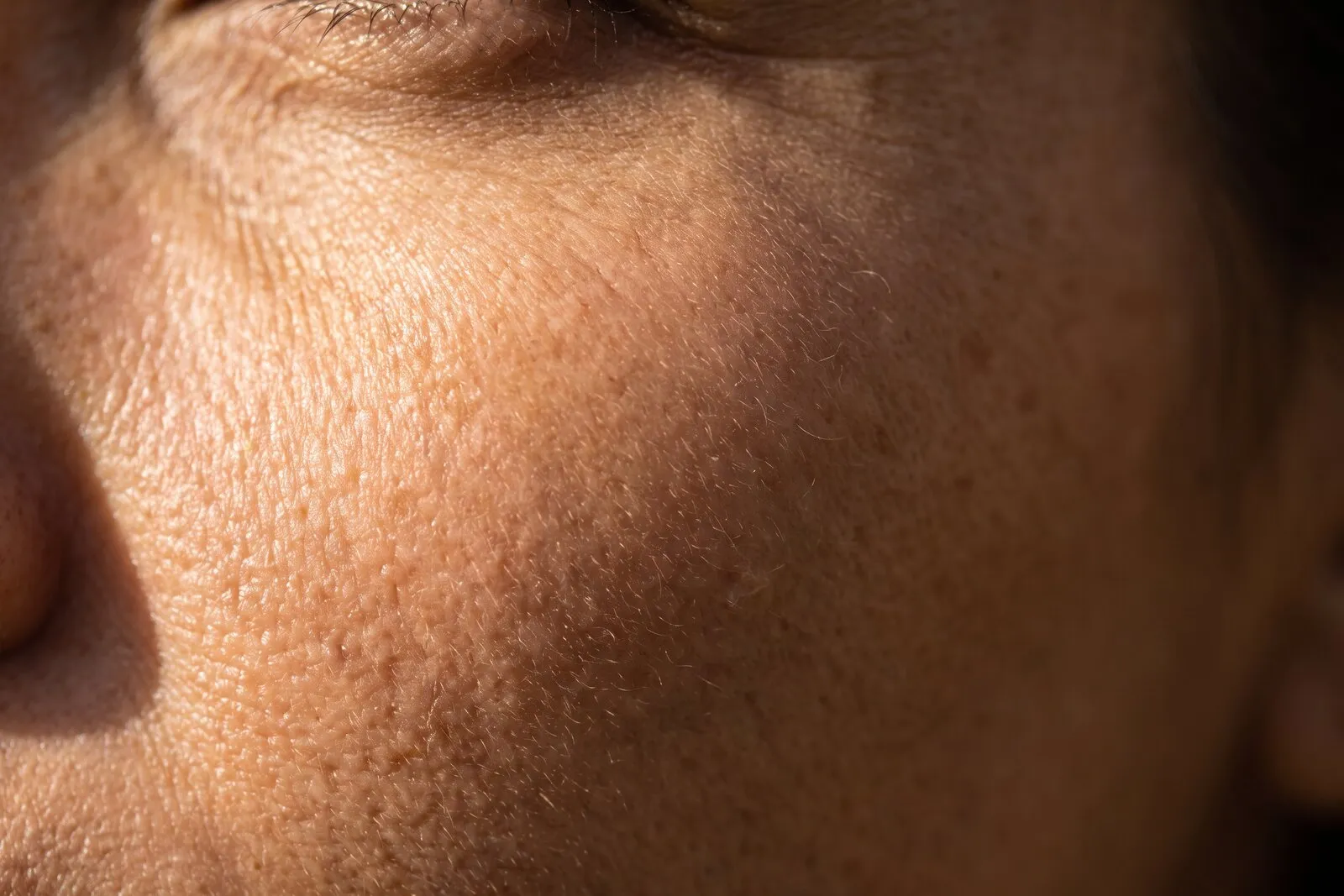
Two ways to treat a face.
A face can be treated by adding to it or by rebuilding it. For years the first approach led. The shift now under way is not a rejection of the second. It is a change in which one comes first, and how much of each a face needs.
Filler
Hyaluronic acid gel placed precisely to restore lost structure or refine a contour. It works mechanically and immediately: what is placed is what you see on the day. Where a face has lost volume, nothing else does the same job.
Regeneration
Treatments that prompt the skin to rebuild its own collagen, elastin and hyaluronic acid rather than adding a gel. Profhilo, polynucleotides and PRP work through the skin's own cells, so the result is skin quality rather than added structure. It builds over weeks.
Sequence, not rivalry
The move to biology-led aesthetics is not the end of filler. It is a reordering: improve the quality and support of the skin first, and add volume last and only where it is missing. Proportion is what changed, not the toolkit.
What "biology-led" does.
Skin loses collagen at roughly 1% a year through adulthood, with a steeper fall in the years after menopause. That decline is the real problem beneath most of what reads as an ageing face: thinner, less elastic, less resilient skin. Filler does not address it. It sits beneath the skin and restores shape, which is useful where shape has been lost, but it does nothing for the quality of the skin above it.
Biology-led treatments target that decline directly. A hyaluronic acid bio-remodeller such as Profhilo spreads through the dermis and stimulates fibroblasts to produce new collagen and elastin over about 60 days. Polynucleotides, purified DNA fragments, act on the same repair cells through receptor-level signalling and calm inflammation as they do so. PRP uses the growth factors in your own blood to prompt the same repair response. Different routes, one shared aim: to have the skin rebuild itself rather than to add something on top of it.
None of this makes filler obsolete. It makes it specific. Where the deeper structure of the face has emptied, volume is the right answer, applied precisely and sparingly. The error the shift corrects is reaching for volume to solve a problem that was really one of skin quality.
Sources: Shuster, Black & McVitie, Br J Dermatol, 1975. Polynucleotide and skin regeneration literature, PubMed.
~1%
Approximate annual decline in skin collagen through adulthood. It is the raw material every regenerative treatment works to replace.
Shuster, Black & McVitie, Br J Dermatol, 1975
~60 days
The window over which a hyaluronic acid bio-remodeller such as Profhilo stimulates new collagen and elastin, which is why biology-led results build rather than appear.
Bio-remodelling clinical data
The order a plan is built.
Biology-led treatment is as much about sequence as about products. Skin quality and support are rebuilt first, and volume is added last, only where it is missing. It is the same layered logic set out in Skin Architecture, applied to the volume-versus-biology question.
| In order | What it addresses | LRC treatments |
|---|---|---|
| Biology first | Dull, crepey or depleted skin: the quality of the skin itself, before any question of volume | |
| Support second | Laxity and softening, once skin quality is being rebuilt underneath | |
| Volume last, and least | True structural volume loss, restored selectively where it is missing |
To compare the regenerative treatments themselves, see PRP, iPRF, polynucleotides and exosomes, or, for the skin boosters specifically, Profhilo vs polynucleotides vs skin boosters. For where filler still fits, see Profhilo vs dermal filler. The thinking behind treating this way is set out in our guide to ageing well.
Every plan begins with an in-person consultation, and treatment is recommended only after your skin has been assessed. Treatments are for adults aged 18 and over.
Treatments that rebuild rather than fill.
Profhilo Skin Booster
High-concentration hyaluronic acid that disperses through the dermis to stimulate the skin's own collagen and elastin.
From £250 BiologyPolynucleotides
Purified DNA fragments that prompt fibroblasts to repair and regenerate depleted skin, using Croma Polyphil.
From £195 BiologyPRP
Uses the growth factors in your own blood to support tissue repair and skin quality.
From £250 SupportForma RF
Non-ablative radiofrequency that heats collagen fibres for immediate tightening and longer-term remodelling.
From £120 SupportSkinPen Microneedling
FDA-cleared microneedling device that induces the skin's own collagen response.
From £200 Selective volumeDermal Fillers
Hyaluronic acid placed to rebuild structure only where volume has been lost, not to inflate the surface.
Price at consultationStart here
See what your skin needs first. Book an Observ skin analysis.
The Observ 520 uses multispectral imaging to map pigmentation, vascular activity and surface quality, giving a clear baseline to plan against and to measure regeneration from.